Common BMW Oil Leaks and What Cincinnati Drivers Should Watch For

If you drive a BMW in Cincinnati, you already know it is built for performance and precision. The handling feels tight, the acceleration is responsive, and the engineering is on another level. But like any performance vehicle, BMWs have patterns when it comes to maintenance and repair. One of the most common concerns BMW owners face over time is oil leaks. They often start small, sometimes barely noticeable, but if ignored they can turn into much larger repairs.
Oil leaks in BMW vehicles are not random. There are specific components that tend to wear and fail as mileage increases. Understanding the warning signs can help you catch problems early and avoid more serious damage. In a city like Cincinnati, where temperature swings and daily commuting put stress on vehicles, staying ahead of leaks is especially important.
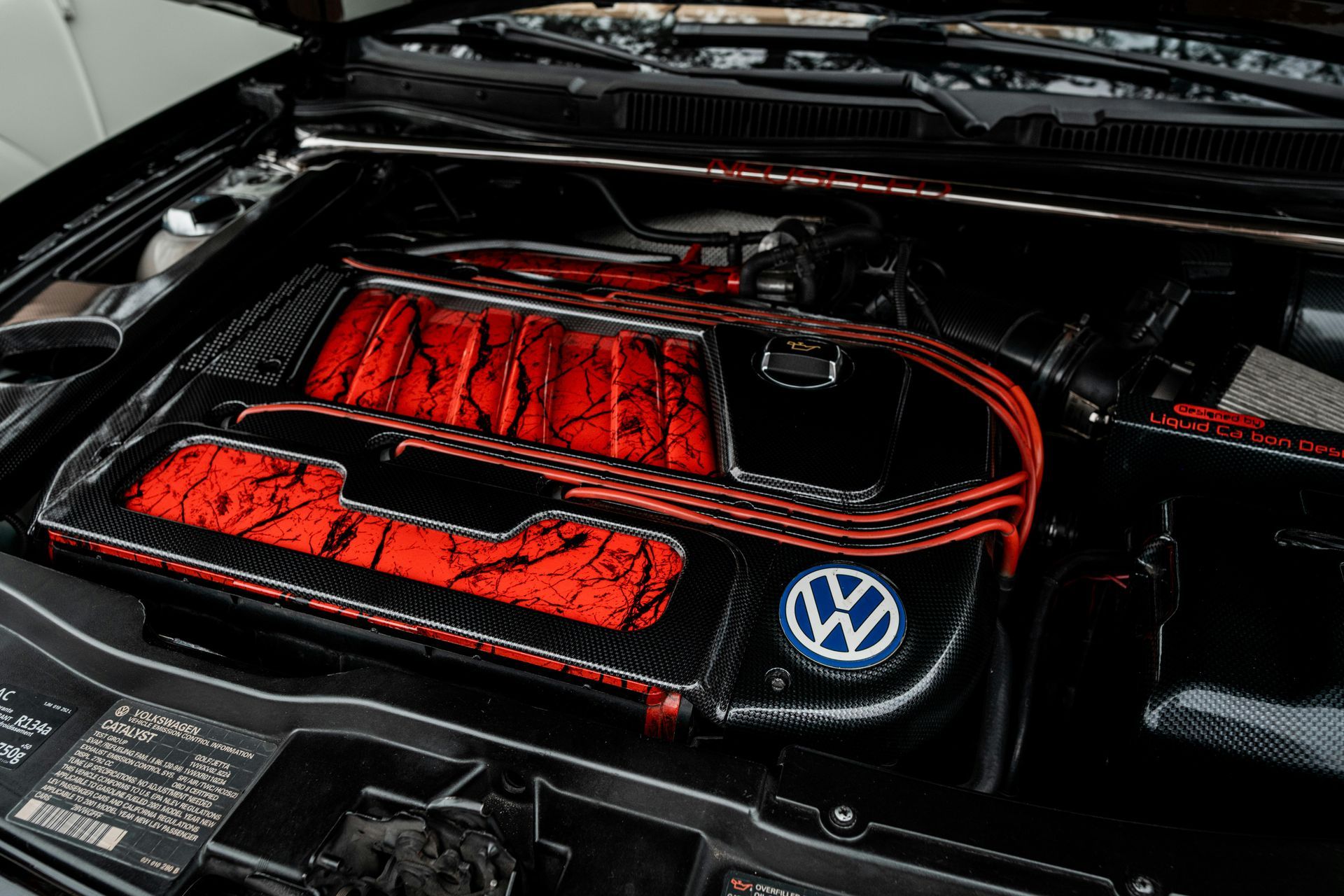
One of the most common sources of oil leaks in BMW engines is the valve cover gasket. Over time, the rubber gasket that seals the top of the engine becomes brittle from heat exposure. BMW engines run warm by design, and that consistent heat eventually hardens the gasket. When it loses flexibility, oil begins to seep out. You may notice a faint burning oil smell while driving, especially after the engine warms up. Sometimes you will see light smoke from the engine bay. Other times the leak drips onto surrounding components and creates a mess under the hood.
Another frequent culprit is the oil filter housing gasket. This component seals the oil filter housing to the engine block. When it begins to fail, oil can leak down the side of the engine. This leak often shows up as oil residue on the front or side of the engine and can sometimes drip onto belts or other moving parts. If left unaddressed, it can lead to belt contamination and additional repairs. Cincinnati drivers who notice fresh oil on the driveway or under the front of the car should have it inspected promptly.
The oil pan gasket is another area to monitor. While not as common as the valve cover or oil filter housing gasket, oil pan gasket leaks do occur as vehicles age. The oil pan sits at the bottom of the engine and holds engine oil. If the gasket begins to fail, oil may slowly leak out and collect underneath the vehicle. Because the oil pan is located lower, these leaks often leave visible spots where you park. Catching this early can prevent low oil levels and potential engine damage.
BMW engines are engineered tightly, and proper oil levels are critical for performance and longevity. Driving with low oil due to a leak can increase friction inside the engine and accelerate wear. Modern BMW models may alert you to low oil levels through the onboard system, but not all leaks are dramatic enough to trigger an immediate warning. That is why routine inspections are so important.
Cincinnati weather plays a role as well. Cold winters cause seals and gaskets to contract, while summer heat expands them. Over time, these repeated cycles weaken rubber components. If your BMW has several years or higher mileage on it, the likelihood of gasket related leaks increases. Regular service with a European specialist can identify early signs before the leak becomes obvious.
One of the first signs many BMW owners notice is a burning oil smell after driving. That odor often comes from oil dripping onto hot engine components. While the smell might seem minor at first, it is a clear indicator that oil is escaping from somewhere it should not be. Ignoring it allows the leak to worsen and can lead to additional damage.
You might also see oil collecting around engine components when the hood is open. A light film of oil on surrounding parts is not normal. Over time, that buildup can affect sensors and electrical connections. BMW engines rely heavily on precise electronic monitoring, and contamination from oil can create secondary issues.
The good news is that most common BMW oil leaks are repairable when caught early. Replacing a valve cover gasket or oil filter housing gasket is far less costly than dealing with engine damage caused by running low on oil. The key is working with a shop that understands BMW engineering and knows where to look.
At Dubwerx, BMW repair in Cincinnati is handled with a focus on precision and platform knowledge. BMW engines are not treated like generic vehicles. They are inspected with an understanding of common leak points, proper torque specifications, and manufacturer standards. Using the correct gaskets and high quality parts ensures the repair holds up long term.
If you are noticing oil spots where you park, a burning smell while driving, or visible oil residue under the hood, it is time to schedule an inspection. Oil leaks do not fix themselves. Addressing them early protects engine performance and helps you avoid more serious repairs.
Your BMW was engineered for performance and longevity. Keeping it that way requires proactive care. If you are searching for reliable BMW repair in Cincinnati and want technicians who understand European vehicles inside and out, reach out to Dubwerx. Catching an oil leak early can make the difference between a simple repair and a much larger problem down the road.