Why We Charge a Diagnostic Fee (and Why It's Actually a Good Thing!)
October 10, 2024

We understand. No one likes paying a fee before they even know what's wrong with their car. It can feel like adding insult to injury when your vehicle is already acting up. But at Dubwerx, we believe in transparency and fair pricing, and that includes charging a diagnostic fee. Here's why: 


1. Accurate Diagnosis Takes Time and Expertise: 


Think of it like visiting the doctor. They don't just glance at you and prescribe medication. They ask questions, run tests, and analyze the results. Similarly, our skilled technicians use their knowledge and specialized tools to pinpoint the root cause of your car trouble. This involves: 


  • Visual inspection: Checking for obvious signs of damage or wear and tear. 
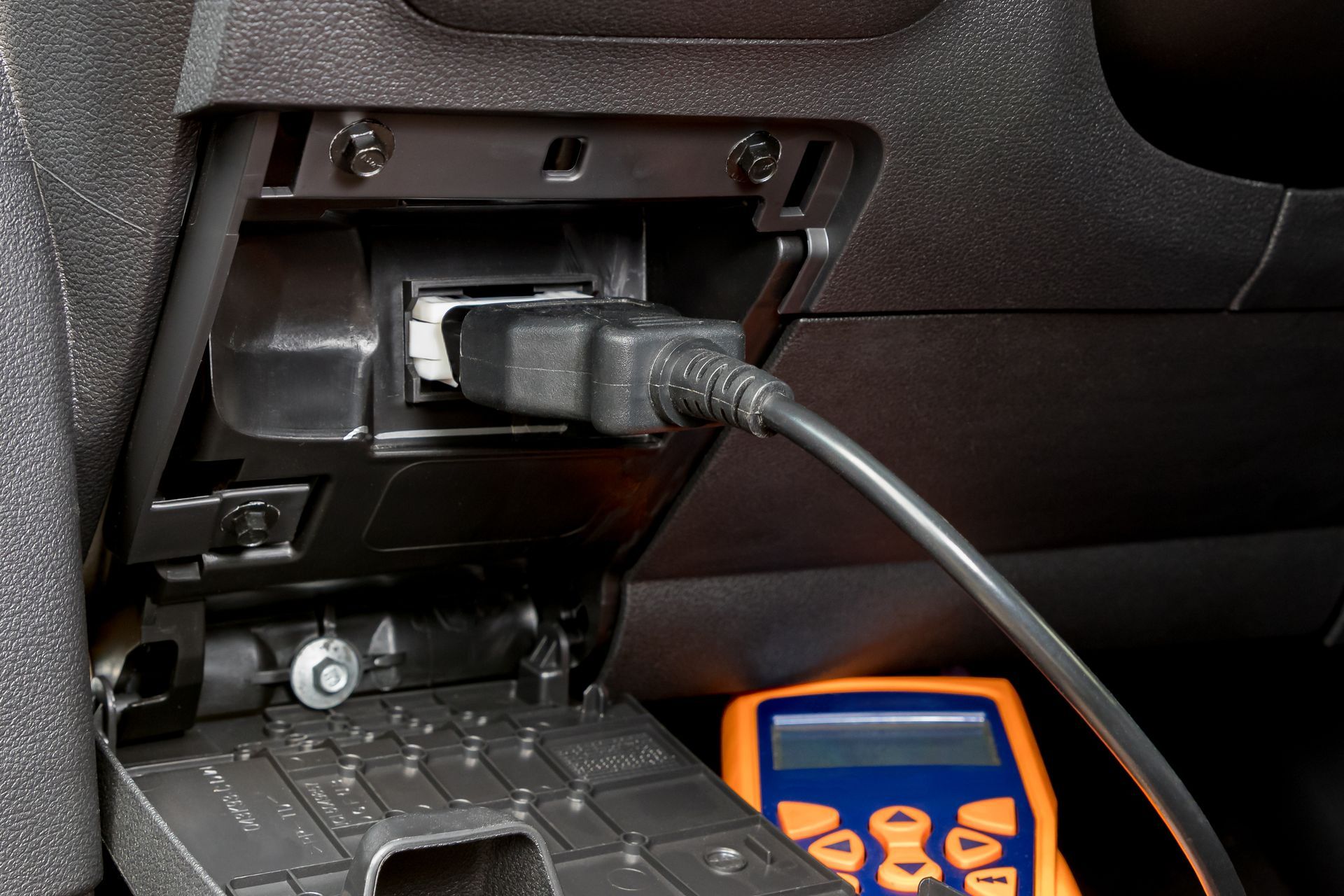
  • Code scanning: Reading error codes from your car's computer system. 
  • Testing components: Using multimeters, pressure gauges, and other equipment to assess the functionality of various parts. 
  • Analyzing data: Interpreting the results and drawing on years of experience to reach an accurate diagnosis. 


This process takes time and expertise, and our diagnostic fee ensures our technicians are compensated for their valuable skills. 


2. It Saves You Money in the Long Run: 


Throwing parts at a problem can get expensive quickly. A diagnostic fee helps avoid unnecessary repairs by identifying the exact issue. This prevents you from: 


  • Wasting money on parts you don't need. 
  • Spending more time in the shop for repeat visits. 
  • Potentially causing further damage to your vehicle. 


3. Transparency and Trust: 


We believe in being upfront about our pricing. The diagnostic fee covers the labor involved in accurately assessing your vehicle's condition. Once we have a diagnosis, we'll provide you with a clear and detailed estimate for any necessary repairs, empowering you to make informed decisions about your car care. 


4. We Value Your Time: 


We know your time is precious. Our diagnostic process is designed to be efficient and thorough, minimizing your wait time and getting you back on the road as quickly as possible. 


5. It's an Industry Standard: 


Most reputable auto repair shops charge a diagnostic fee. It's a reflection of the professionalism and expertise you can expect from our services. 


At Dubwerx, we're committed to providing honest, high-quality auto repair. Our diagnostic fee is an investment in getting your car fixed right the first time. Schedule your appointment today! 
SCHEDULE AN APPOINTMENT
November 27, 2025
When you own a Volkswagen or Audi you are driving one of the most advanced brands on the road. These vehicles are engineered with precision technology, complex electrical systems, and highly integrated modules that communicate with each other dozens of times per second. Because of this level of engineering, accurate diagnostics are not optional. They are essential. At Dubwerx we focus exclusively on Volkswagen and Audi vehicles which gives us the experience, tools, and factory level software required to diagnose problems correctly the first time. Proper diagnostics save our Cincinnati drivers time, money, and frustration by preventing misdiagnosed repairs and unnecessary part replacements. Volkswagen and Audi vehicles rely on sophisticated electronics that manage engine performance, braking, safety systems, transmission behavior, comfort features, and more. When something goes wrong, the vehicle stores valuable data that helps us identify the root cause. A general repair shop may have basic diagnostic tools, but VW and Audi systems require equipment that understands brand specific codes, control modules, and communication protocols. At Dubwerx we use advanced tools designed for these vehicles which allow us to see the full picture instead of guessing. When diagnostics are done correctly, repairs are faster, more accurate, and far more cost effective. In this article we explain why diagnostic work is so important for Volkswagen and Audi owners, how Cincinnati driving conditions influence these systems, and what makes our approach different from general auto shops. Volkswagen and Audi electronics require specialized diagnostic tools Volkswagen and Audi models include dozens of modules that communicate with each other through a network. This includes the engine control module, transmission control module, ABS module, steering module, airbag system, comfort control unit, electronic parking brake system, and many others. Each system stores information about how the vehicle is performing and alerts us when something is out of range. To understand this data we use factory level diagnostic tools that communicate in the same language as your vehicle. These tools allow us to access brand specific fault codes, real time sensor readings, freeze frame data, module communication logs, and advanced testing functions. A general diagnostic scanner cannot interpret this data correctly which often leads to incorrect repair recommendations. For example, a misfire on a Volkswagen or Audi engine may not be caused by a coil or a spark plug. It may be related to fuel trim issues, sensor deviations, carbon buildup, boost pressure irregularities, or timing adaptations. Without proper diagnostic tools, it is easy to replace the wrong part and waste money. With the right tools, we see the exact conditions that caused the misfire and address the real problem. Cincinnati driving conditions affect how diagnostic systems respond Cincinnati drivers face a mix of steep hills, heavy traffic, cold winters, and warm summers. These conditions affect how Volkswagen and Audi systems behave. For example, short commutes in cold weather can cause moisture buildup in sensors and exhaust components. Stop and go traffic on I 71 or I 75 increases load on transmission and engine control systems. Hills in neighborhoods like Mount Adams and Price Hill place strain on brakes, turbos, and drivetrains. When a system becomes stressed, it may trigger warning lights or adapt to protect itself. A proper diagnostic scan helps us understand why the system reacted the way it did. This prevents unnecessary repairs and helps us make adjustments based on real data instead of assumptions. Why proper diagnostics prevent unnecessary part replacements One of the biggest advantages of proper diagnostics is avoiding the common trap of replacing parts that are not actually failing. Many general repair shops rely on guesswork when they see a check engine light or a warning message. For example, if an oxygen sensor code appears, some shops immediately replace the sensor. In many cases the real problem may be an intake leak, faulty wiring, or a failing temperature sensor that affects fuel trim. Volkswagen and Audi systems are highly interconnected, so incorrect assumptions can lead to expensive and unnecessary repairs. At Dubwerx we read live data, test components individually, and perform guided troubleshooting procedures based on manufacturer specifications. This approach ensures that we fix the actual problem instead of treating the symptom. When diagnostics are accurate, repairs are efficient. When diagnostics are rushed or incomplete, repairs become costly and frustrating. How we use live data to pinpoint issues One of the most valuable diagnostic tools we use is live data monitoring. This allows us to view how sensors, actuators, and modules are behaving while the vehicle is running. We can observe air flow, fuel trims, boost pressure, timing adjustments, transmission behavior, and dozens of other parameters in real time. For example, if a Cincinnati driver notices hesitation under acceleration, the cause could be related to turbo boost, air metering, timing adjustments, fuel delivery, or sensor performance. Instead of guessing, we analyze live data to find anomalies. This method helps us catch early signs of issues before they turn into larger repairs. Live data also helps identify problems that do not trigger warning lights. Many Volkswagen and Audi issues begin with minor deviations that only a trained specialist will recognize. By monitoring these values we can recommend maintenance that prevents future breakdowns. The importance of module communication diagnostics Volkswagen and Audi vehicles rely on communication between modules to function correctly. When a module stops communicating, becomes corrupted, or receives incorrect signals, the vehicle may behave unpredictably. Some modules may shut down certain features to protect the system. Others may trigger multiple warning lights that appear unrelated. We use diagnostic software that checks communication pathways between modules. This allows us to determine whether a problem is caused by a failing component, a wiring issue, or a software fault. Proper communication diagnostics prevent unnecessary part replacements and help us fix the issue correctly the first time. Why software updates matter for long term performance Volkswagen and Audi regularly release software updates that improve performance, fix bugs, and update system behavior. These updates can affect engine tuning, transmission logic, infotainment functions, safety systems, and many other features. At Dubwerx we check for available updates during diagnostic work. Keeping software current helps your vehicle run smoother and reduces the chances of future faults. General shops rarely check for updates because they do not have the required tools or access to manufacturer databases. Electrical diagnostics are essential for modern VW and Audi models Many Volkswagen and Audi issues are electrical rather than mechanical. These include problems with sensors, wiring, modules, and communication networks. Electrical issues often appear as intermittent faults that come and go. Without proper diagnostic equipment these problems are extremely difficult to identify. We perform electrical diagnostics that include voltage testing, wiring inspection, sensor testing, and module analysis. Electrical systems require patience and precision. By diagnosing electrical issues correctly, we help Cincinnati drivers avoid recurring problems and unnecessary part replacements. Cincinnati weather affects diagnostic needs Cincinnati’s climate contributes to many issues that require diagnostic attention. Cold weather affects batteries, sensors, and idle stability. Hot weather increases stress on cooling systems and turbochargers. Moisture can cause intermittent electrical problems. Sudden temperature changes may trigger sensor deviations. By understanding these patterns we can diagnose issues more accurately. We also know which systems tend to fail during each season, allowing us to make proactive recommendations. Why general auto shops cannot diagnose VW and Audi vehicles correctly Volkswagen and Audi vehicles require factory level equipment, specialized knowledge, and deep familiarity with platform design. General shops often lack these tools and rely on generic code readers that provide limited information. This leads to misdiagnoses, unnecessary part replacements, and repeat visits. At Dubwerx we diagnose Volkswagen and Audi vehicles every day. We know how these systems behave, what patterns to look for, and how to read diagnostic data correctly. Our experience leads to more accurate repairs and better long term outcomes. Proper diagnostics protect your investment Volkswagen and Audi vehicles are an investment, and proper diagnostics are one of the best ways to protect that investment. When issues are identified correctly you avoid costly repairs, prevent breakdowns, and extend the life of your vehicle. Proper diagnostics also ensure that performance stays consistent as your vehicle ages.  At Dubwerx we take pride in offering Cincinnati drivers the highest level of diagnostic expertise. Whether you are dealing with a check engine light, electrical issue, performance loss, or an intermittent fault, we can identify the cause accurately and repair it the right way.
November 21, 2025
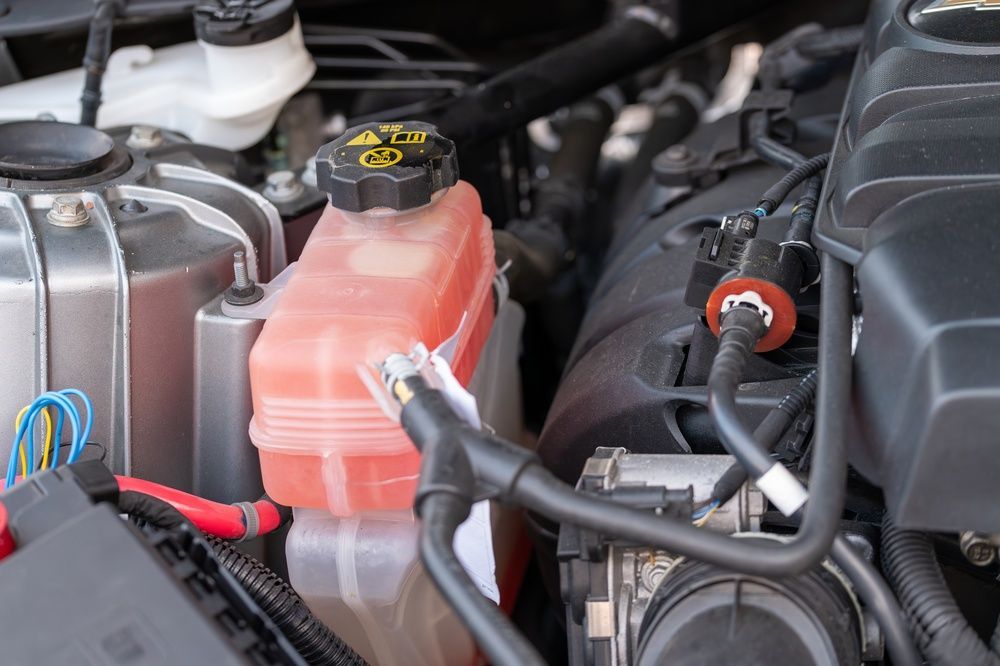
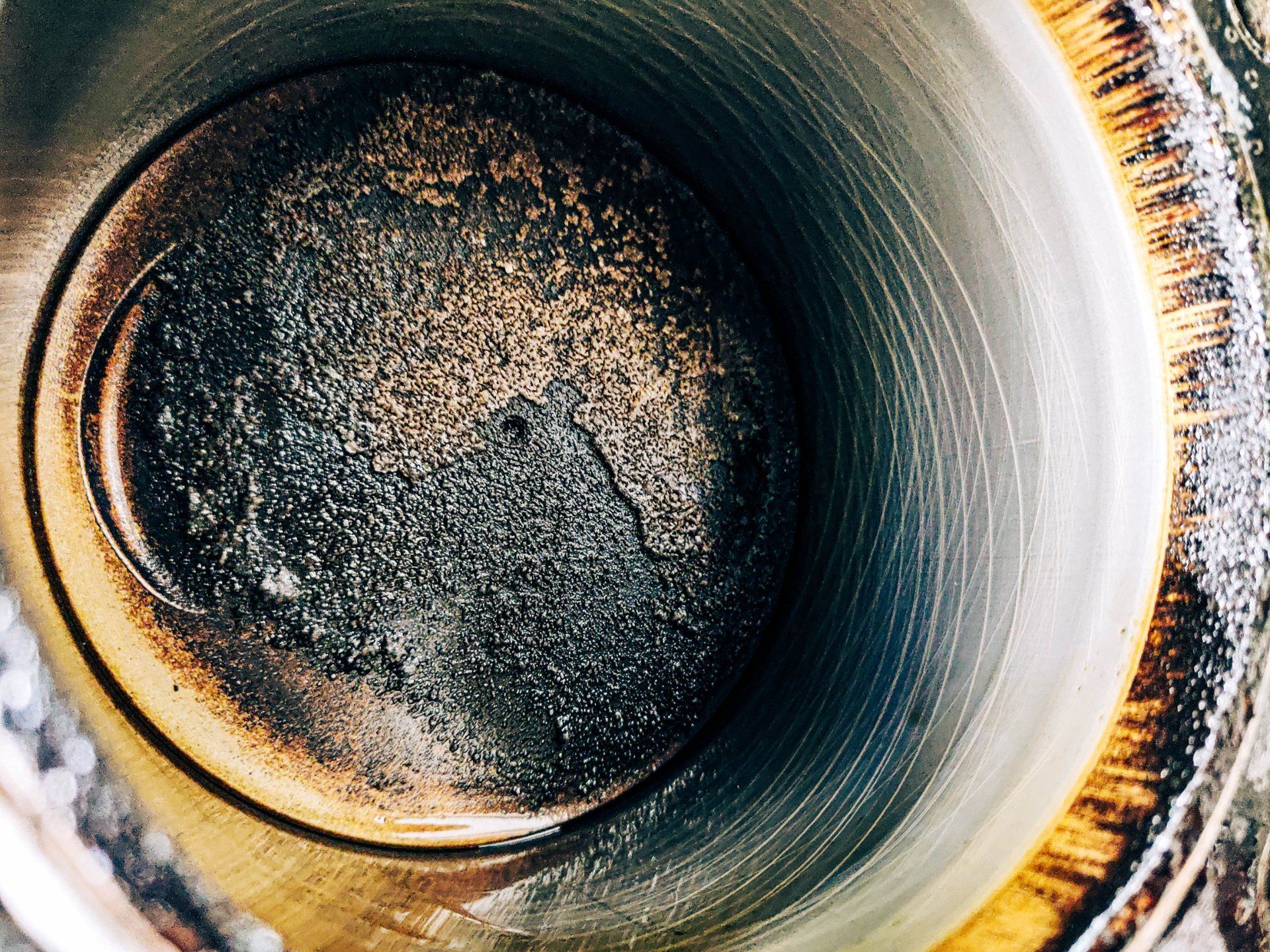
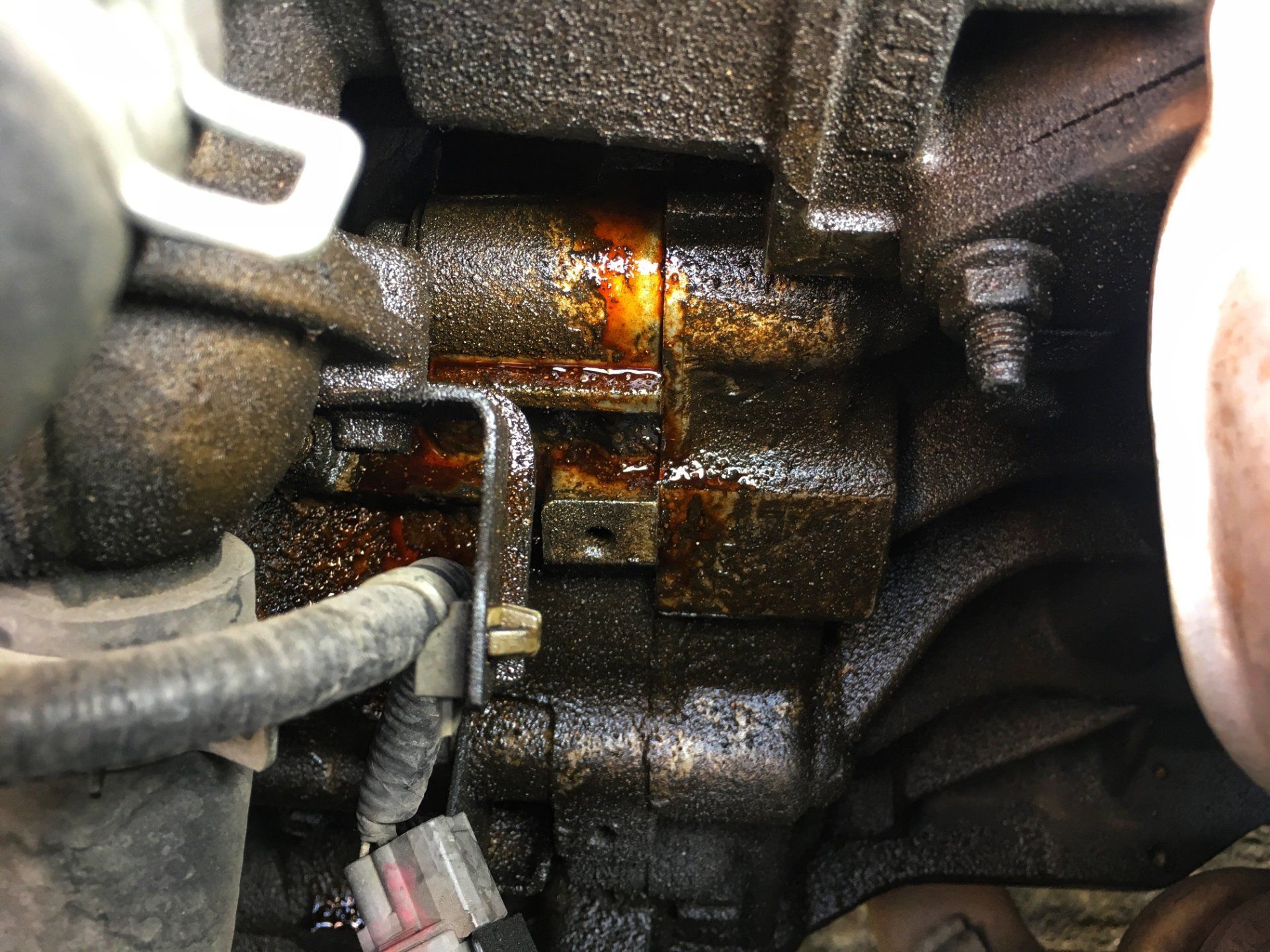
Volkswagen and Audi vehicles are known for their engineering, performance, and attention to detail. When these vehicles are maintained properly they deliver a driving experience that is both enjoyable and reliable. At Dubwerx we focus exclusively on these brands which gives us insight into the specific issues that appear most often. Even well engineered vehicles have components that wear out or require attention at certain intervals. When you understand the common issues that affect your VW or Audi you can stay ahead of repairs and avoid unexpected problems on Cincinnati roads. We see patterns across different models and years based on engine design, electronics, and how these vehicles react to Cincinnati driving conditions. Heavy traffic, steep hills, seasonal temperature swings, and road quality all influence how certain components age. Our goal is to help you recognize early signs of trouble so you can bring your vehicle to us before a small issue grows into a major repair. This is especially important for Volkswagen and Audi owners because these brands use advanced systems that require accurate diagnostics and specialized service. Below are the most common issues we see and what they mean for your VW or Audi. Carbon buildup on intake valves in direct injection engines Most modern Volkswagen and Audi models use direct injection engines for improved performance and efficiency. While this technology is effective it comes with a drawback. Fuel no longer washes over the intake valves which allows carbon deposits to build up over time. This buildup affects airflow and performance. Cincinnati drivers often notice reduced power, rough idle, hesitation, or poor fuel economy. These symptoms develop gradually so they can be easy to ignore at first. We perform carbon cleaning services that restore airflow and improve engine performance. Regular maintenance helps slow carbon buildup but eventually all direct injection engines need this service. If you notice performance changes it is a good time to bring your vehicle in for an inspection. Oil leaks from valve cover gaskets, timing covers, and housing seals Volkswagen and Audi engines rely on precision sealing systems to maintain proper oil pressure and lubrication. Over time gaskets and seals can become brittle from heat and age. This leads to oil leaks that often appear around valve covers, timing covers, and filter housings. Cincinnati drivers may notice a burning oil smell, oil spots under the vehicle, or low oil levels. It is important to address oil leaks quickly because low oil can damage internal engine components. We use high quality seals and follow factory procedures to ensure long lasting results. If you notice leaking or smell burning oil we recommend scheduling an inspection soon. PCV system failures and rough running conditions The positive crankcase ventilation system manages pressure and vapors inside the engine. Many VW and Audi models use PCV valves that eventually fail due to the amount of pressure they manage. When this happens you may experience rough idle, poor acceleration, check engine lights, or whistling noises from the engine bay. A failed PCV system can also lead to oil consumption or additional stress on turbochargers. At Dubwerx we diagnose PCV issues with factory level tools and replace components with parts designed to handle the system correctly. If your vehicle begins idling unevenly or sounds unusual, it may be related to the PCV system. Water pump and thermostat housing leaks Volkswagen and Audi cooling systems use plastic composite housings for water pumps and thermostats. Over time heat cycles cause cracking or warping which results in coolant leaks. Cincinnati temperature swings contribute to premature wear, especially in winter when the engine heats up quickly after cold starts. Coolant leaks can lead to overheating which can cause major engine damage. If you notice a sweet smell, white smoke, or low coolant levels it is important to bring your car in right away. We replace cooling system components with high quality versions that provide better durability than standard replacements. DSG transmission service needs Many Volkswagen and Audi models use DSG transmissions which deliver quick shifts and strong performance. These transmissions require regular fluid and filter changes to maintain proper function. Skipping this maintenance can lead to harsh shifts, hesitation, or transmission warnings. Cincinnati traffic places extra strain on DSG transmissions because stop and go driving creates heat and wear. When you stay current with DSG services you prevent clutch wear and protect the internal components. If you notice odd shifting behavior or delayed engagement it is time to schedule a diagnostic check. Carbon buildup in turbochargers and related components Turbocharged engines are common in both Volkswagen and Audi models. Turbo systems rely on proper lubrication, clean air flow, and correct pressure levels. Over time carbon deposits can affect turbo performance. Cincinnati drivers who spend time climbing hills or navigating heavy traffic may notice changes in boost power or acceleration. Turbo issues often start with small symptoms such as slow response, increased lag, or unusual noises. When we inspect your turbo system we check lines, seals, sensors, and the turbo itself to determine if cleaning or replacement is necessary. Addressing issues early helps prevent complete turbo failure. Electrical issues caused by failing sensors or module communication Volkswagen and Audi vehicles contain complex electronic systems that communicate through modules and sensors. When a sensor begins to fail it can trigger warning lights, performance issues, or electrical malfunctions. These issues require specialized diagnostic tools to identify properly. Common electrical problems include oxygen sensor faults, MAF sensor issues, ABS system alerts, and problems related to the electronic parking brake. At Dubwerx we use factory level diagnostic software to pinpoint the exact problem so you do not waste money replacing unnecessary parts. If you notice dashboard warnings that appear and disappear, it is often a sign of an electrical issue that needs accurate diagnosis. Suspension wear due to Cincinnati roads Cincinnati roads can be harsh on suspension components because of potholes, uneven pavement, and hilly terrain. Volkswagen and Audi vehicles use performance tuned suspension systems that provide great handling but rely on bushings, control arms, and struts that wear over time. When suspension components begin to fail you may hear clunks, feel vibration, or notice uneven tire wear. Handling may feel loose or inconsistent. Routine inspections help identify wear early so you can address it before it affects other systems. We use high quality components that match the engineering of your vehicle so ride quality stays smooth and controlled. Timing chain tensioner wear on certain VW and Audi engines Certain model years are known for timing chain tensioner issues. The tensioner keeps the chain tight so it can synchronize the camshafts and crankshaft. If the tensioner wears out or fails it can cause serious engine damage. Symptoms include rattling at startup, misfires, or check engine lights. At Dubwerx we know which engines are most prone to tensioner issues and can recommend inspections based on mileage and age. Replacing these components before failure is the best way to prevent major repairs. Fuel system issues in TDI and gasoline vehicles Fuel pumps, injectors, and filters can develop problems over time due to contamination or wear. Cincinnati drivers who frequently sit in traffic or take short trips may notice symptoms like hard starts, hesitation, or reduced fuel efficiency. Diesel models have additional needs since their fuel systems operate under high pressure. Routine maintenance helps protect these components and prevent more costly failures. When to bring your Volkswagen or Audi to Dubwerx You should schedule a visit to Dubwerx when you notice any of the following signs. Unusual noises from the engine or suspension Loss of power or slower acceleration Dashboard warning lights that stay on or come and go Vibration during driving or braking Leaks from the engine or cooling system Rough idle or misfires Hard shifting or hesitation in automatic or DSG transmissions Burning odors or overheating symptoms Early attention is the best way to avoid expensive repairs. At Dubwerx we take the time to diagnose your vehicle correctly and recommend solutions that protect your investment. We work exclusively on Volkswagen and Audi models which allows us to identify issues more accurately and provide better long term outcomes. Keeping your VW or Audi healthy with expert service Volkswagen and Audi vehicles reward owners who stay proactive with maintenance. By addressing common issues early you improve reliability, extend the life of your engine and transmission, and enjoy better performance every day you drive through Cincinnati.  If you notice any symptoms listed in this article or want a routine inspection to stay ahead of problems, we invite you to bring your vehicle to Dubwerx. Our team is dedicated to providing the highest level of Volkswagen and Audi service so you can feel confident every time you get behind the wheel.
November 10, 2025
Owning a Volkswagen or Audi is an experience unlike owning any other type of vehicle. These brands are built with precision engineering, advanced technology, and performance features that require a higher level of care. At Dubwerx we work exclusively on Volkswagen and Audi models which gives us a deep understanding of how these vehicles age, what types of issues they commonly develop, and how Cincinnati driving conditions affect long term performance. Our goal is to help drivers enjoy their vehicles for as long as possible by staying proactive with routine maintenance. When you take care of your car on a regular schedule you prevent expensive repairs, improve performance, and extend the life of your engine and drivetrain. Volkswagen and Audi vehicles are engineered to deliver quality, but they also rely on components that must be serviced at the right intervals. These include direct injection engines, turbochargers, DSG transmissions, Quattro all wheel drive components, electronic parking brakes, complex cooling systems, and many advanced sensors. Skipping or delaying maintenance on these systems can lead to bigger issues down the road. That is why regular service is so important for Cincinnati drivers who want to protect their investment. Volkswagen and Audi vehicles require brand specific maintenance Volkswagen and Audi models are not designed the same way as typical domestic vehicles. Their engines, electronics, and performance systems require a different level of expertise. At Dubwerx we use the diagnostic tools, software, and equipment that these vehicles need in order to be serviced correctly. Routine maintenance is more than simply changing fluids or filters. It is about understanding how each system works together and how to catch early signs of trouble before they affect other parts of the vehicle. One example is direct injection engines which are used in many Volkswagen and Audi models. These engines develop carbon buildup on intake valves over time. Carbon buildup affects performance, fuel efficiency, and smooth acceleration. This is not a problem that every brand experiences. It is specific to VW and Audi engine design and requires maintenance solutions that general auto shops often overlook. Performing routine services at the correct intervals helps prevent these issues and keeps the engine performing the way it should. Cincinnati conditions affect how often VW and Audi vehicles need service Many Cincinnati drivers underestimate the impact that our roadways and climate have on their vehicles. We experience hot summers, cold winters, steep hills, and heavy traffic. All of these factors influence how often your vehicle needs maintenance. For example, cold temperatures in winter thicken fluids and strain batteries. Hot summers cause coolant systems to work harder. Heavy traffic on I 71 and I 75 creates stop and go conditions that stress brakes and engines. Volkswagen and Audi models are sensitive to temperature changes because they use advanced cooling systems and specific fluid types. Regular inspections help us make sure these systems are functioning correctly. If a cooling system component fails, it can lead to overheating or engine damage. Routine maintenance helps prevent those outcomes and protects your vehicle during Cincinnati’s changing seasons. Why routine oil changes matter more for VW and Audi engines Oil quality is one of the most important aspects of maintaining a Volkswagen or Audi. These engines use synthetic oil to protect high performance components, turbochargers, and internal parts that operate under higher pressure and temperature than the average vehicle. When oil breaks down it loses its ability to lubricate and protect. Delaying oil changes can shorten the lifespan of your engine, reduce performance, and increase the risk of major repairs. Routine oil changes also help manage carbon buildup and protect timing chains which are common wear points in these brands. Our team uses the correct oil specifications recommended by the manufacturer so your engine receives the protection it needs. Oil change intervals should not be stretched too far. Many Cincinnati drivers choose to shorten their intervals due to our traffic patterns and temperature swings. At Dubwerx we help determine the best schedule for your specific vehicle. Preventing major repairs through scheduled maintenance Volkswagen and Audi models perform best when routine maintenance is handled before parts begin to fail. Taking a proactive approach helps prevent issues that require expensive repairs. For example, DSG transmissions require fluid and filter changes at specific mileage intervals. Skipping these services increases wear and can lead to shifting problems. Turbocharged engines benefit from frequent inspections to ensure lines, seals, and components remain in good condition. Suspension components like control arm bushings and struts also wear faster due to Cincinnati road conditions. By performing inspections and services on a regular basis we can catch problems early. Early detection might mean replacing a small component instead of repairing a larger system later. This approach saves you money and reduces the risk of breakdowns. We also understand the common issues that develop on specific VW and Audi platforms which helps us focus on the areas that need attention most. Software updates and diagnostics are part of routine care Volkswagen and Audi vehicles rely on advanced electronics. Modern models contain dozens of modules that manage everything from engine performance to safety features. These systems communicate with each other and store data about the health of the vehicle. At Dubwerx we perform diagnostic scans during routine maintenance to check for software updates, stored faults, and early warnings that may not appear as dashboard lights. These scans help identify issues with sensors, communication networks, or electronic parking brakes before they fail. General auto shops often lack factory level diagnostic equipment which means they miss these early warning signs. Our diagnostic process helps Cincinnati drivers avoid problems with electronic systems that affect performance, braking, fuel economy, and comfort features. Why factory level parts and fluids matter for VW and Audi service Volkswagen and Audi vehicles are designed to work with specific parts and fluid types. Using generic or low quality components can create issues that appear months later. At Dubwerx we use OEM and high quality equivalent parts that meet manufacturer standards. This includes engine oil, brake fluid, coolant, transmission fluid, filters, and spark plugs. Using the correct parts ensures that each system functions correctly. Volkswagen and Audi models often use sensitive electrical systems and advanced sensors that do not react well to mismatched components. Using the right parts helps prevent false error codes, performance issues, and unnecessary repair costs. Cincinnati drivers trust us because we follow factory guidelines for every service. Brake maintenance is vital for Cincinnati roads Cincinnati has steep hills, busy intersections, and daily traffic that wears out brake pads and rotors quickly. Volkswagen and Audi brake systems use high performance components that must be serviced correctly. These vehicles often have electronic parking brakes, larger rotors, and more advanced brake control systems compared to typical cars. Routine brake inspections help identify uneven wear, rotor damage, or worn pads before the damage becomes severe. Driving with worn brakes affects stopping distance and puts stress on calipers and other brake components. Regular maintenance keeps your brake system reliable and safe for everyday Cincinnati driving. Cooling system maintenance protects your engine The cooling system is one of the most important systems in your Volkswagen or Adi. Turbocharged engines generate more heat than naturally aspirated engines. Cincinnati summers also make engines run hotter which puts additional pressure on cooling systems. Routine maintenance includes checking hoses, coolant levels, the thermostat, the water pump, and other components that prevent overheating. Overheating can cause severe engine damage, especially in European vehicles with tight tolerances and sensitive components. Regular cooling system checks help prevent these issues and keep your vehicle performing well in every season. Suspension and alignment matter for performance and comfort Volkswagen and Audi vehicles are built for precise handling and smooth ride quality. Cincinnati roads with potholes, uneven pavement, and steep grades put extra stress on suspension components. Routine inspections help identify worn bushings, struts, control arms, and ball joints. Addressing these issues early preserves ride quality, improves safety, and protects other systems like tires and steering. Alignment checks are also an important part of maintenance. Misalignment causes uneven tire wear and affects vehicle handling. At Dubwerx we perform alignment checks using equipment designed for European vehicles to ensure accurate results. Why choosing a VW and Audi specialist makes a difference General auto repair shops often lack the tools, equipment, and knowledge needed to service Volkswagen and Audi vehicles correctly. At Dubwerx we focus exclusively on these brands which allows us to deliver more accurate diagnostics, better repair outcomes, and longer lasting maintenance results. We understand the engineering behind these vehicles and the common problems they develop. This experience is key to keeping your VW or Audi running smoothly in Cincinnati. Protect your investment with regular maintenance at Dubwerx  Regular maintenance is the most effective way to keep your Volkswagen or Audi in top condition. When you stay proactive you enjoy better performance, fewer repairs, and a longer vehicle lifespan. At Dubwerx we take pride in helping Cincinnati drivers protect their investment with expert service, factory level tools, and deep brand specific knowledge. If you want to schedule your next maintenance appointment or need help understanding your service intervals we are here to help.
September 15, 2025
Whether you’re navigating the hills of Mt. Adams or cruising down Columbia Parkway, your Volkswagen’s battery is quietly powering every moment. It’s the unsung hero behind your ignition, infotainment system, safety tech, and more. And when it fails—whether in a Hyde Park parking lot or on a frosty morning in Anderson Township—it’s never convenient. At Dubwerx, we specialize in Volkswagen, Audi, and Porsche service, and we know how battery needs vary not just by model, but by driving style, climate, and onboard tech. Let’s break down the types of batteries VW uses, how they differ across models, and what you can do to keep yours performing at its best. Types of Batteries Found in Volkswagen Vehicles Volkswagen doesn’t use a one-size-fits-all approach when it comes to batteries. Different models require different specs based on size, electrical demand, and technology. Here’s a breakdown of the most common types: 1. Flooded Lead-Acid Batteries Traditional and cost-effective Found in older VW models or base trims with fewer electronic systems Require occasional maintenance (checking fluid levels) Less ideal for cold Cincinnati winters or vehicles with stop-start systems 2. Sealed Lead-Acid (SLA) Batteries Maintenance-free and more durable than flooded types Common in mid-range VW models like the Jetta or Taos Handle moderate electrical loads well Suitable for everyday driving around the city and suburbs 3. AGM (Absorbent Glass Mat) Batteries Designed for high-performance and high-tech vehicles Found in models like the Atlas, Tiguan SEL, and Golf GTI/R Handle stop-start systems, infotainment suites, and advanced safety tech Offer better cold-weather performance—ideal for Cincinnati’s seasonal swings More resistant to vibration and completely sealed (no spills, no refills) How Battery Needs Vary by Model Volkswagen’s lineup ranges from compact commuters to tech-heavy SUVs. Here’s how battery requirements shift across the board: Jetta & Taos Typically use SLA batteries with moderate capacity. These models are lighter and have simpler electrical systems, making them less demanding on the battery. Tiguan & Atlas These SUVs often require AGM batteries due to their larger size, AWD systems, and onboard tech. The Atlas especially benefits from higher cold cranking amps (CCA) to handle winter starts. Golf GTI & Golf R Performance models need batteries that can handle quick starts, high RPMs, and advanced electronics. AGM is the standard here, offering reliability under stress and better resistance to temperature extremes. ID.4 (Electric) While not part of the traditional battery conversation, it’s worth noting that EVs like the ID.4 use high-voltage lithium-ion packs for propulsion and a separate 12V battery for accessories. Maintenance and replacement are entirely different for these systems. Tips to Extend Battery Life in Cincinnati Want to avoid a dead battery in the Kroger parking lot or while tailgating at Paycor Stadium? Here’s how to keep your VW’s battery healthy: Drive longer, not just often Short trips through downtown don’t give your battery time to recharge. Mix in longer drives—like a loop through Indian Hill or a weekend run to Yellow Springs. Keep terminals clean Road salt from Cincinnati winters can corrode battery terminals. Clean them regularly to maintain a strong connection. Park smart Whenever possible, park in a garage or shaded area to protect against temperature extremes. Turn off electronics when idle Don’t leave lights, chargers, or infotainment systems running while the engine is off. Test before winter Batteries tend to fail when the first cold snap hits. If yours is more than three years old, get it tested before the season changes. Signs Your VW Battery Might Be Failing Slow engine cranking Dim headlights or interior lights Electrical glitches (radio, windows, sensors) Dashboard warning lights Visible corrosion or swelling If you’re seeing any of these, it’s time to get your battery checked. At Dubwerx, we’ll test it, inspect the connections, and help you choose the right replacement—matched to your model, driving habits, and Cincinnati’s climate.  Why VW Owners in Cincinnati Trust Dubwerx We don’t just install batteries—we help you understand what your car needs and why. Our technicians are factory-trained, our parts are performance-tested, and our service is built around precision and transparency. Whether you drive a Jetta or a Golf R, we’ll make sure your battery is ready for whatever the road—and the weather—throws your way.
September 8, 2025
Volkswagen drivers tend to fall into two camps: those who love the brand’s German engineering and clean design, and those who love the drive but worry about what it’ll cost to keep their VW running smoothly. At Dubwerx, we work on Volkswagen, Audi, and Porsche vehicles every day—and we’ve seen firsthand how service costs can vary dramatically depending on which VW you drive. So let’s break it down. Whether you’re behind the wheel of a Jetta, Tiguan, Atlas, Taos, or Golf GTI, here’s what you can expect when it comes to maintenance costs, what drives those differences, and how to make smart choices that keep your car (and your wallet) in good shape. Annual and Long-Term Service Costs by Model Volkswagens are generally more affordable to maintain than other European brands, but they’re not all created equal. Here’s a look at how some of the most popular models stack up:
September 1, 2025
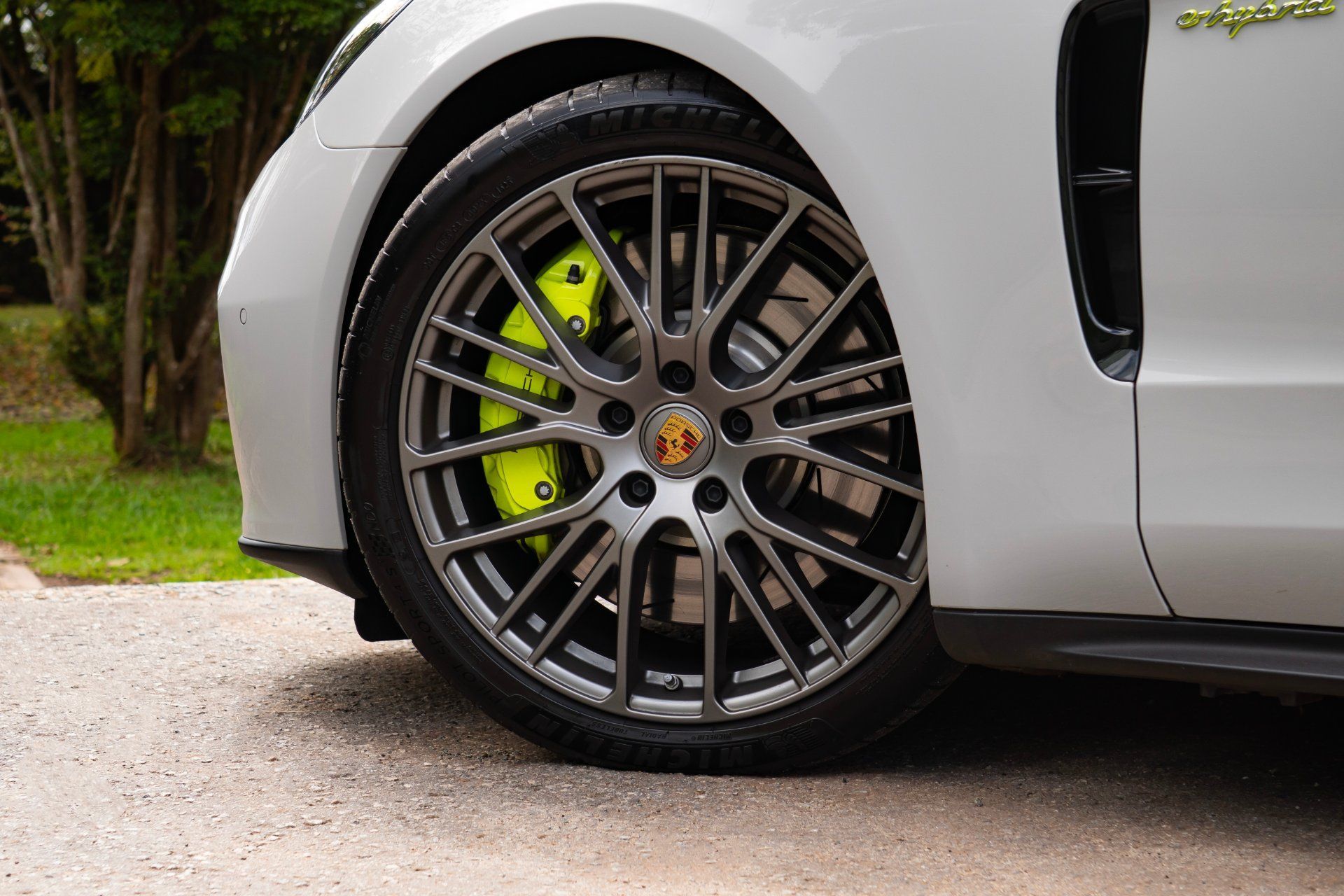
If you drive a Porsche Macan, you already know it’s more than just a luxury SUV—it’s a performance machine. But even the most refined engineering needs upkeep, and brakes are one of the most critical systems to maintain. At Dubwerx, we specialize in Volkswagen, Audi, and Porsche service, and we know the Macan’s braking system inside and out. Whether you’re prepping for a track day or just want peace of mind on Cincinnati’s winding roads, here’s your guide to replacing Macan brakes—what it costs, what affects the price, and whether premium parts are worth it. When Should You Replace Macan Brakes? Most Macan owners will need brake service between 30,000 and 50,000 miles, depending on driving style and conditions. Signs it’s time: Brake warning light on the dash Squealing or grinding noises Vibration when braking Longer stopping distances Visible wear on pads or rotors If you’re seeing any of these, don’t wait. The Macan’s performance depends on precision braking—and worn components compromise both safety and handling. What Does a Brake Replacement Cost? Here’s a breakdown of typical costs for a full front and rear brake job: 
July 2, 2025
Owning a Porsche means enjoying world-class engineering—but it also means trusting your car to technicians who speak its language. From the artsy murals of Over-the-Rhine to the historic homes of Hyde Park, Cincinnati drivers demand precision work on their 911s, Cayennes, and Macans. Here’s how to zero in on the ideal Porsche specialist—and why Dubwerx leads the pack. 1. The Case for a True Porsche Specialist Complex Flat-Six & Turbo Engines – Porsche’s air-cooled heritage and modern turbocharging call for exact oil grades (Porsche A40 spec) and tight tolerances. Precision Transmission Work – PDK and Tiptronic systems require factory-specified fluid changes and adaptation resets. Advanced Electronics & Software Updates – From PASM ride-control calibrations to PCM tuning, only Porsche-capable scan tools (PIWIS) capture every code. General shops excel at brakes and oil changes, but only certified Porsche pros can catch issues like IMS bearing wear, rear main seal leaks, or PDK mechatronics faults before they escalate. 2. Key Criteria for Choosing a Shop When vetting a Porsche repair center, look for: Factory-Level Diagnostics – Tools like PIWIS for accurate code retrieval and module programming. Genuine OEM Parts – Filters, gaskets, and fluids backed by Porsche’s warranty. Photo-Backed Inspections – High-resolution images and itemized reports so you see exactly what’s happening under your hood. Proven Track Record – Ratings and reviews that reflect consistent excellence on complex jobs. 3. Dubwerx: Cincinnati’s Porsche Authority Location & Accessibility – 6323 Madison Road, 45227—convenient to Hyde Park, Madeira, Terrace Park and Sycamore Top-Tier Reputation – 4.8-star average on Google from over 630 reviews praising expert diagnostics and transparent pricing. Factory-Grade Equipment – PIWIS-level scanners, genuine Porsche filters and fluids, and torque-spec calibration tools. Complimentary Multi-Point Inspection – Delivered with photos and a clear report, so you decide which repairs are urgent and which can wait. With our complimentary Uber rides and loaner cars, your Porsche gets white-glove treatment at Dubwerx while you continue on about your day. 4. Neighborhood-Friendly Service No matter if you live near the breweries of Northside, the hilltops of Mt. Adams, or the leafy streets of Hyde Park, Dubwerx makes scheduling and drop-off simple. Our flexible hours and online booking fit around Cincinnati’s busiest commutes. Ready to give your Porsche the specialist care it deserves? Book your PIWIS-backed inspection at Dubwerx.com Call us at (513) 795-8648 to chat about your model Follow us on Facebook and Insta for tech tips and neighborhood service specials #PorscheRepair #Dubwerx #CincinnatiCars #NeighborhoodAutoCare #GermanEngineering Beyond Porsche: if you own a VW or Audi, our VAG-COM diagnostics and genuine-parts approach apply across the board. Stay tuned for blog posts on Audi S-model performance upgrades and VW TSI timing-chain maintenance.
June 25, 2025
Cruising your Porsche Macan through Cincinnati’s varied neighborhoods—from the historic streets of Terrace Park to the rolling hills of Clifton—is a thrill. But German-engineered performance demands diligent upkeep. Here’s our guide to the must-do maintenance steps and the big-ticket repairs Macan owners should anticipate. 1. Stick to the Right Oil & Filter Schedule Change Interval: Every 7,500–10,000 miles (or annually), whichever comes first. • Oil Spec: Porsche A40 synthetic—designed for your Macan’s turbocharged engine. Filter Swap: OEM high-flow filter at each oil service to trap abrasive particulates from city grit in Walnut Hills or dusty backroads of New Richmond. Why it matters: Fresh oil preserves turbo bearings and piston rings. Skipping this step risks carbon buildup and oil-starved components. 2. Protect Your PDK Transmission Fluid & Filter: Service every 40,000 miles. Adaptation Reset: Required after fluid change to recalibrate clutch engagement. Costly repair alert: Neglecting PDK fluid swaps can lead to mechatronics failure—repair bills commonly run $3,000–$5,000. 3. Flush Cooling & Brake Systems Seasonally Coolant Flush: Every 50,000–60,000 miles. Cincinnati’s hot summers can stress your Macan’s intercooler and head gaskets if coolant breaks down. Brake-Fluid Flush: Every two years to prevent moisture buildup—critical for maintaining bite on Pleasant Ridge’s steep streets. 4. Swap Filters & Inspect Air Intakes Engine Air Filter: Replace every 20,000–30,000 miles, or sooner if you commute through Northside’s construction zones. Cabin Air Filter: Swap every 12,000 miles for crisp HVAC performance in Wyoming’s summer humidity. Pro tip: A clean intake pathway helps preserve turbo boost pressure and AC efficiency. 5. Check Belts, Hoses & PCV System Drive Belts: Inspect annually for cracks—failed belts can strand you on Vine Street. Hoses & Clamps: Look for leaks at the coolant reservoir and turbo lines. PCV Valve & Oil Cooler Gasket: Common Macan trouble spots. Failure can lead to excessive oil consumption and sump deformation—repair costs climb into the low-thousands. 6. Tire Rotation & Alignment Every 5,000–7,500 Miles Cincinnati’s potholes and crowned roads can throw off your Macan’s alignment. Quarterly rotations extend tire life and maintain that precise Porsche handling. 7. Battery Health & Electrical Checks Battery Test: Annually—especially if you park on chilly Loveland evenings. Software Updates: Porsche frequently releases PCM/PSCM calibrations to optimize engine mapping and emissions controls. 8. Photo-Backed Inspections & Detailed Reports At Dubwerx, every service starts with a complimentary multi-point inspection. We snap high-resolution images of: Turbocharger hoses and intercooler lines PCV valve location and oil-cooler mounting Drive-belt routing and tension Brake-pad thickness and rotor condition Then you receive an itemized PDF report. You see exactly what needs attention—and can budget for big repairs like PDK mechatronics or oil-cooler gasket replacements in advance. Big Repair Bills to Anticipate PDK Mechatronics Overhaul: $3,000–$5,000 Turbocharger Replacement: $2,500–$4,000 (labor included) PCV System Repair & Oil-Cooler Gasket: $1,500–$2,000 Water Pump & Thermostat Housing Leak: $800–$1,200 Addressing wear items early avoids downtime in Sycamore traffic or a weekend trip derailed near Columbia-Tusculum. Ready to protect your Macan investment? Book your tailored Porsche inspection at Dubwerx.com Follow us on Facebook & Instagram for neighborhood-focused tips and seasonal Macan service specials Share this guide with fellow Cincinnati Porsche enthusiasts #Dubwerx #PorscheMacan #CincinnatiCarCare #GermanEngineering #NeighborhoodAutoRepair
June 18, 2025
Owning an Audi A6 in Walnut Hills or a Porsche 911 Carrera through Mason comes with perks—precise handling, potent engines, and that unmistakable German engineering flair. But to keep your turbocharged TFSI or flat-six running at peak performance, it’s critical to tailor your oil-change schedule to the real-world factors that matter most. Here’s what Cincinnati drivers—from Terrace Park to Oakley—should know when it’s time to top off the lifeblood of their precision machines. 1. Driving Habits & Patterns Stop-and-Go vs. Highway Cruising – City commutes on Columbia Parkway, rush hour stops on Red Bank Road, or errands through Mariemont expose your engine oil to constant heating and cooling cycles—accelerating breakdown. Frequent highway runs on I-71 let oil run at steady temps, extending its protective life. Short Trips & Cold-Start Mileage – Drives under five miles (think quick hops to Oakley’s coffee shops) rarely bring oil to full operating temperature. Moisture and fuel dilution can build up, calling for more frequent changes. 2. Local Climate & Seasonal Extremes Summer Heat & Humidity – Cincinnati’s July highs and muggy Ohio River air put extra thermal stress on oil additives. High-performance engines in your Audi S5 or Porsche Macan benefit from fresher oil before summer’s peak. Winter Salt & Cold – Road salt corrodes internal engine parts; cold starts thicken oil, which strains your starter and reduces flow. Early-spring and late-fall oil changes help remove contaminants and protect seals. 3. Oil Grade & Manufacturer Specifications OEM-Approved Synthetic – Both Audi and Porsche demand specific viscosity grades and additive packages. For example, VW 504.00/507.00 specs for TSI engines or Porsche A40 spec for flat-six motors. Using a “budget” oil risks acid buildup and premature wear. High-Mileage or Performance-Blend Options – Models with over 60,000 miles—or those used on track days—may benefit from a performance blend with extra detergents and seal conditioners. 4. Engine Design & Performance Demands Turbochargers & Direct Injection – Audi’s TFSI turbos and Porsche’s turbocharged flat-fours run higher oil pressures and temperatures. Cleaner oil prevents carbon deposits on intake valves and protects turbo bearings from overheating. High-Revving Flat-Sixes – Porsche engines operate at elevated RPMs, which degrades oil additives faster. Shorter intervals ensure consistent film strength on bearings and camshafts. 5. Oil Filter Technology & Change Intervals OEM vs. Aftermarket Filters – Genuine Audi and Porsche filters meet micron-grade filtration standards. Third-party filters can allow ultrafine particles to recirculate—accelerating engine wear. Service Packages – At Dubwerx, every 5,000-mile oil change pairs with a high-flow OEM filter swap to maximize engine protection, as well as a comprehensive courtesy inspection. 6. Real-World Data: Inspections & Oil Analysis Photo-Backed Multi-Point Inspections – When you bring your car into our Madisonville location, we perform a complimentary inspection—snapping high-resolution photos of filters, hoses, and seals. Oil Sample Testing – Interested in a custom interval? We can pull a small oil sample for lab analysis—measuring contamination, viscosity loss, and additive depletion to recommend your ideal change cadence. Ready to Dial In Your Oil Change Plan? At Dubwerx, we pair advanced VAG-COM (for Audi) and PIWIS-level (for Porsche) diagnostics with industry-leading synthetic oils and OEM filters. You’ll leave with a clear, itemized report—photos included—so you know exactly why we recommend changing your oil today versus next month. Book your Audi or Porsche oil service at Dubwerx.com Follow us on Facebook & Instagram for seasonal tips and neighborhood-specific specials Share this guide with fellow Cincinnati enthusiasts—from Walnut Hills to Columbia-Tusculum #Dubwerx #AudiCare #PorscheCare #CincinnatiCarTips #GermanEngineering 
June 11, 2025
Whether you zip your GTI through Northside’s brewery district, cruise your Audi A4 past Over-the-Rhine’s murals, or carve hairpin turns in your Porsche Cayman on Mt. Adams’ winding roads, German-engineered precision demands attentive care. Dubwerx’s neighborhood-focused guide will keep your luxury ride in peak form—no matter if you live in Oakley, Hyde Park, Pleasant Ridge, Walnut Hills, Columbia-Tusculum, or beyond. 1. Stick to Factory Service Intervals German automakers base their maintenance schedules on rigorous testing. Skipping them risks costly repairs down the road. VW/Audi Oil & Filter: Every 7,500 miles or 12 months, use OEM-approved synthetic oil. Porsche Oil & Filter: Every 7,500–10,000 miles; high-grade Porsche-spec oil is a must. Spark Plugs & Ignition Coils: Around 40,000–60,000 miles for VW/Audi; Porsche models vary—check your owner’s manual. Brake Fluid: Flush every two years to fend off moisture buildup—critical on Pleasant Ridge’s hills. Coolant Flush: Every 50,000–60,000 miles, especially after sizzling Walnut Hills summers. 2. Prioritize Transmission Fluid Services VW/Audi DSG: At 40,000 miles, drain-and-fill the dual-clutch fluid and reset adaptations. Skipping this can lead to slipping, harsh shifts on Vine Street, or a stalled DSG mechatronics module. Porsche PDK: Fluid exchanges and software adaptations every 30,000–40,000 miles preserve the lightning-quick paddle shifts you love. 3. Use Brand-Specific Diagnostics Generic scan tools miss German-made quirks: VW/Audi: VAG-COM (VAS 5054A) reads proprietary codes for ABS, air-mass sensors, or exhaust-gas recirculation faults. Porsche: PIWIS or TechStream interfaces catch Porsche Sport Chrono, PCM updates, and body-control module alerts. Regular scans in Oakley, Mt. Lookout, or Kennedy Heights spots issues before they bloom into roadside drama. 4. Swap Filters on a Schedule Engine Air Filter: Every 20,000–30,000 miles—swap sooner if you tackle dusty Columbia-Tusculum streets. Cabin/Pollen Filter: Every 12,000 miles keeps your HVAC system fresh and prevents debris buildup. 5. Inspect Timing Components & Engine Internals VW 1.8T/2.0T Timing Chains: Tensioners can wear under stop-and-go traffic, causing rattles on cold Northside mornings. Inspect around 60,000 miles. Audi 2.0T/3.0T Cam Followers: Early wear leads to misfires and rough idling; proactive replacement can avoid head-gasket headaches. Porsche M96/9 Engine Oil Traps: On older Boxsters and 911s, inspect vertical shafts and oil separators to prevent low-speed pre-ignitions. 6. Rotate Tires & Check Alignment Seasonally Quarterly tire rotations extend life and optimize fuel mileage—key when you’re traversing Cincinnati’s pothole-pocked streets. An alignment check through Indian Hill to Kennedy Heights ensures even wear and safe handling. 7. Leverage Photo-Backed Multi-Point Inspections Every service at Dubwerx includes a complimentary multi-point check with high-resolution photos and an itemized report. You’ll see exactly what’s happening under your hood—whether it’s a cracked coolant hose near Walnut Hills or a worn drive belt in Pleasant Ridge—and decide which repairs to schedule now versus later. 8. Ask the Right Questions at Drop-Off Before you park on our lift, know what to ask: “Can you show me the scan-tool codes and live data reading?” “Where do I stand on timing-chain or PDK-fluid service intervals?” “Will you provide photos of any wear or leaks and an itemized estimate?” “Do you install genuine VW/Audi/Porsche parts with factory warranties?” Ready to protect your German engine’s precision and performance? Schedule your VW, Audi, or Porsche service at Dubwerx.com Follow us on Facebook & Instagram for neighborhood-tailored tips and seasonal specials Share this guide with fellow Cincinnati gearheads in your favorite neighborhood group #Dubwerx #VW #Audi #Porsche #CincinnatiNeighborhoods #GermanCarCare