Buying a Used German Car: What to Check Before You Commit

The listing looks good. Clean body, reasonable miles, a price that seems slightly better than it should be. You have already pictured yourself in it.
A used German car inspection is what separates a car that will be a pleasure to own from one that will teach you an expensive lesson about deferred maintenance. And most of what predicts that outcome is not visible on a test drive. A car with a serious bill coming due usually drives beautifully right up until it does not.
What follows applies to Volkswagen, Audi, and Porsche broadly. These are well-engineered cars that reward attention and punish neglect, and the used market contains plenty of both kinds.
Service History Is the Single Best Predictor
Before the paint, before the interior, before the drive. Ask for records.
A folder of receipts is worth more than any single mechanical observation you could make in a seller's driveway. It tells you whether oil changes happened on a real schedule or whenever someone got around to it. It tells you whether major services were performed or skipped. It tells you whether the previous owner treated small problems as small problems.
What to look for in a stack of records:
- Consistent oil service, with dates and mileage that line up sensibly
- Evidence that scheduled major services were actually performed, not just recommended
- Repairs that were completed rather than diagnosed and abandoned
- Any gap of several years or many thousands of miles with nothing in it
- Whether the work was done somewhere that knows the platform
No records at all is not automatically disqualifying, but it does change what you are buying. You are now purchasing an unknown, and the price should reflect that.
What a Used German Car Inspection Should Cover
A meaningful inspection happens with the car in the air and a scan tool connected. Everything else is a first impression.
The areas that matter most:
- Stored fault codes and readiness status. A cleared code history on a car being sold is worth asking about. So is a module reporting faults nobody mentioned.
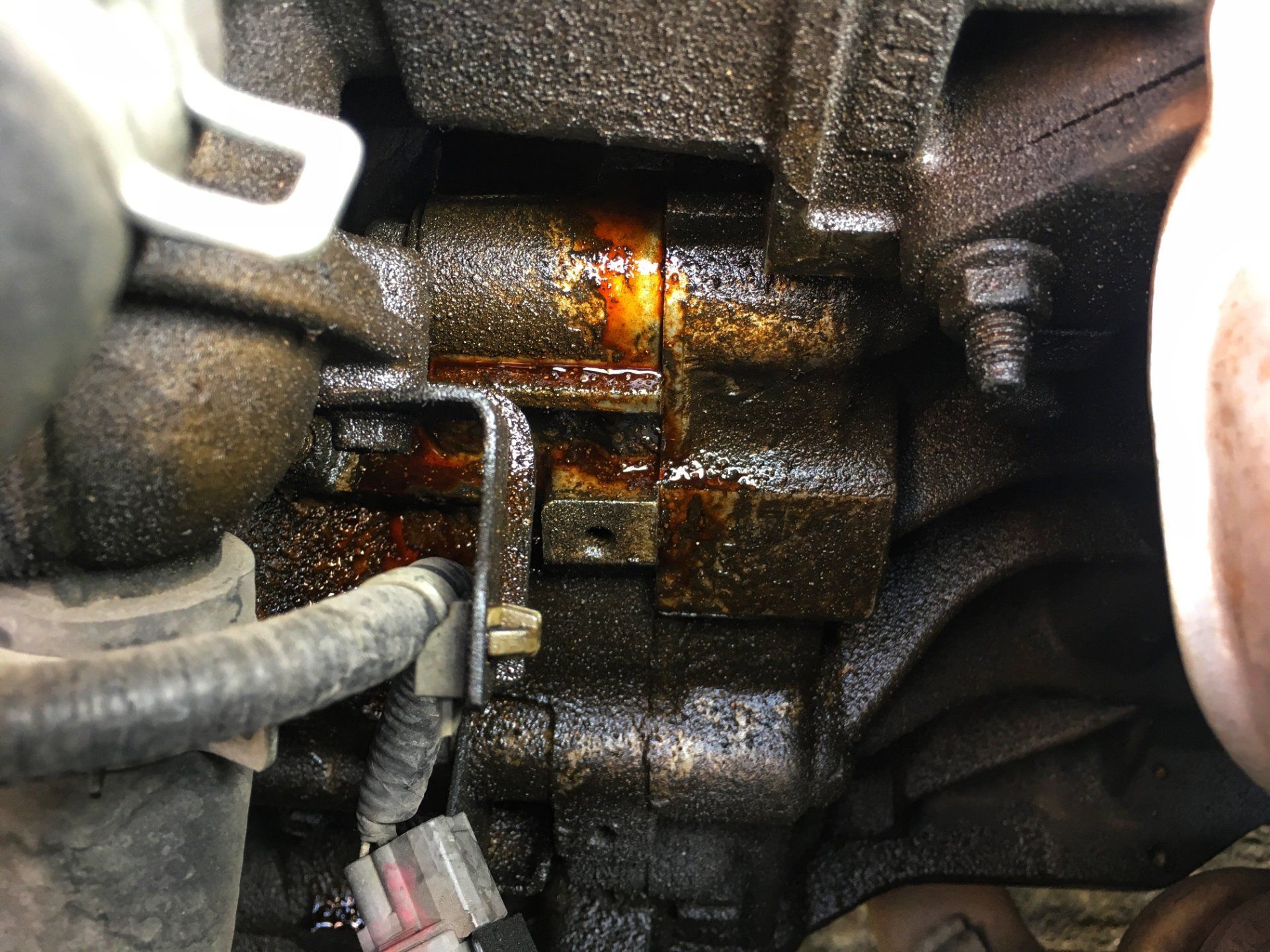
- Leaks, and where they originate. Oil, coolant, and transmission fluid all travel before they drip. Finding the source requires seeing the car from underneath with good light.
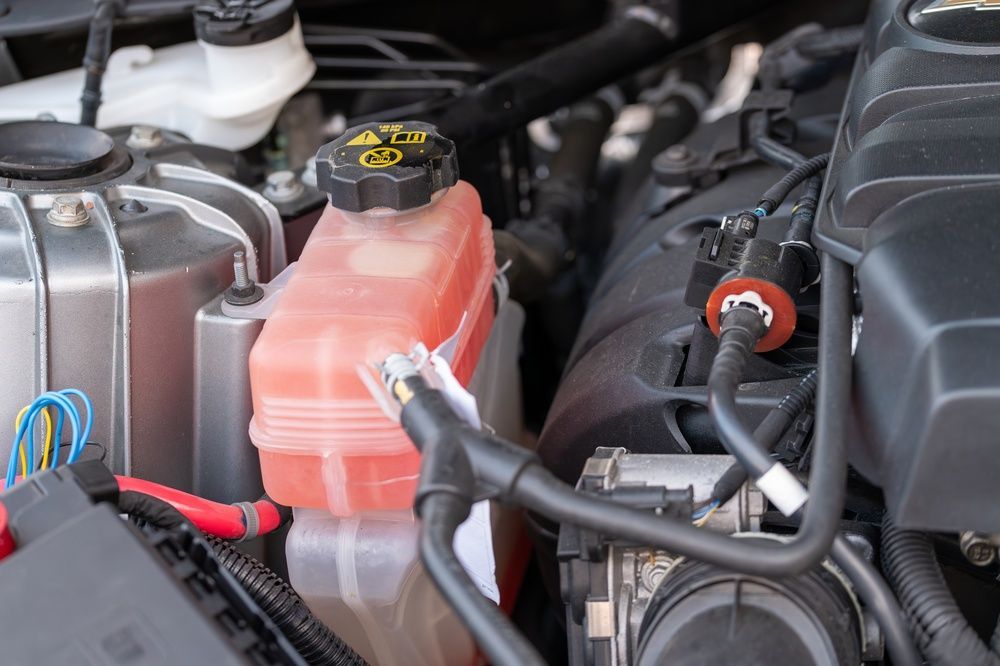
- Cooling system condition. Plastic housings and aging seals are a known wear area across these brands, and evidence of a past overheat is important to catch before you own it.
- Suspension and bushings. Worn components change how a car feels gradually enough that a seller may genuinely not know.
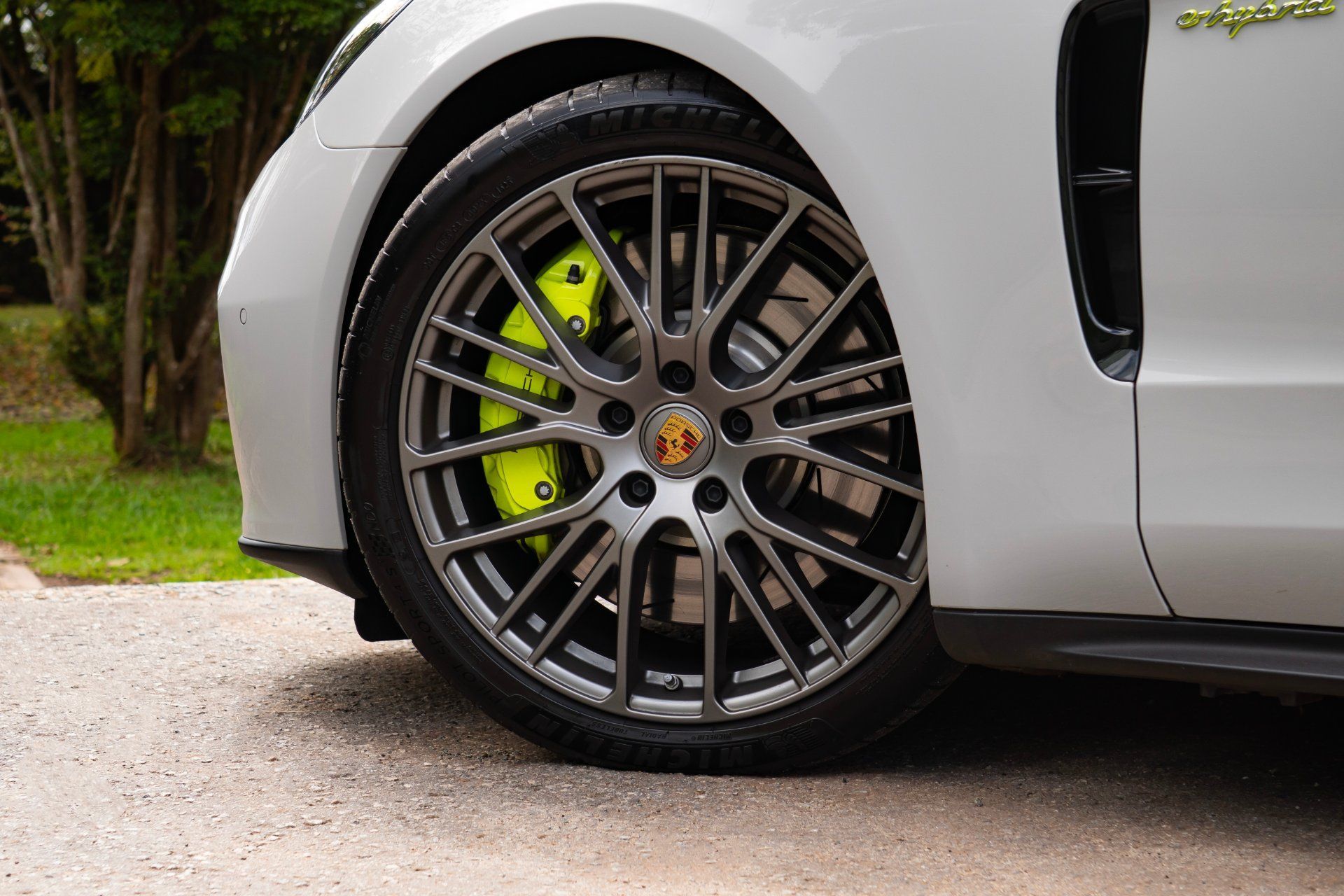
- Brake measurement. Not a glance through the wheel. Actual pad and rotor measurement, which tells you whether brakes are a next-month expense.
- Tire condition across all four. On an all-wheel-drive car this matters twice over, since mismatched tires load the driveline continuously.
- Evidence of prior repair work. Quality of past repairs tells you a great deal about how the car has been treated.
Recalls are worth checking independently. You can look up an individual VIN through the manufacturer or through NHTSA to see whether any open campaigns apply to that specific car.
Ownership Costs People Do Not Budget For
The purchase price is the smallest decision you will make about this car. What follows it is the part worth thinking through in advance.
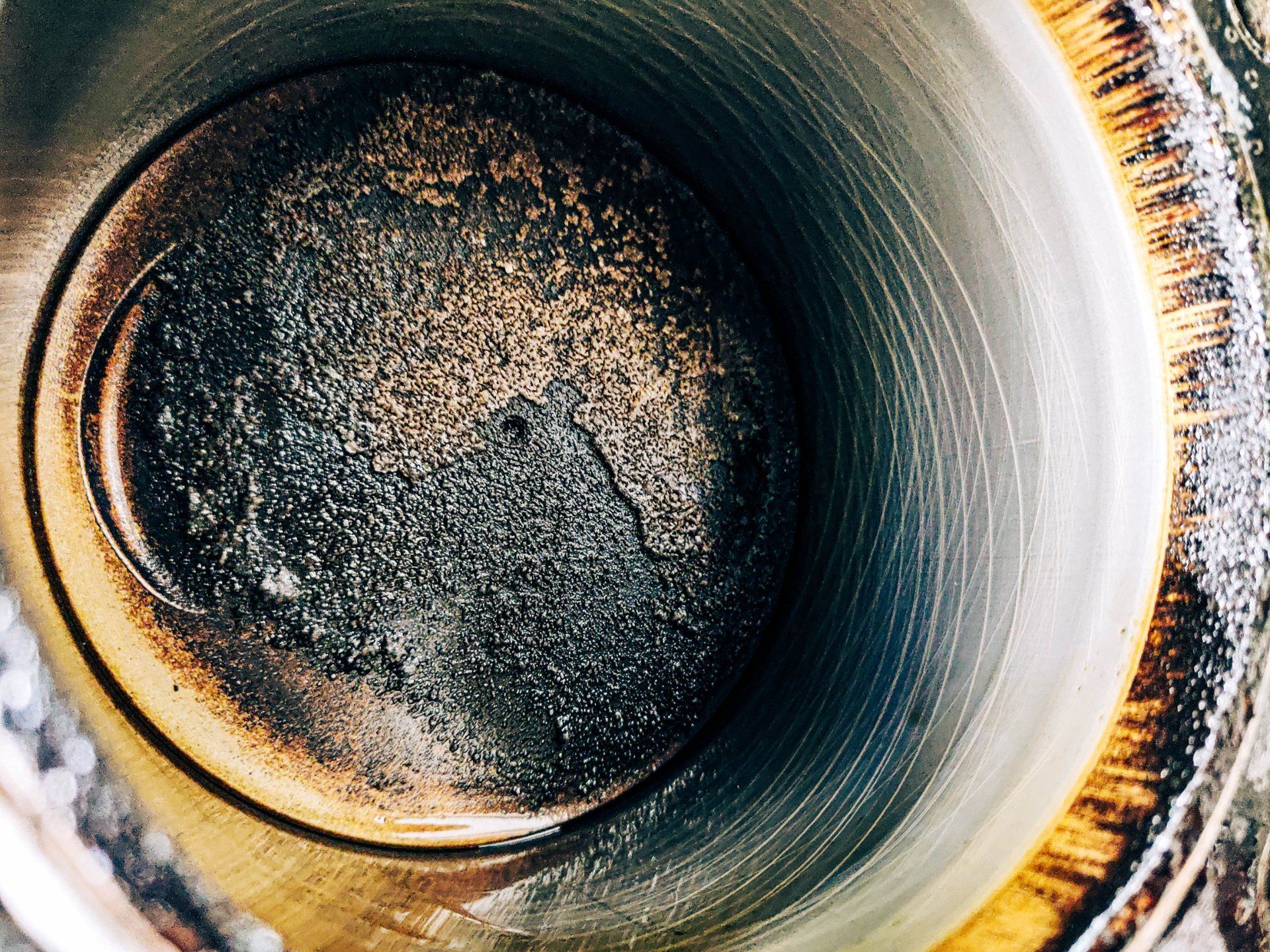
Direct injection is standard across much of the modern VW, Audi, and Porsche lineup, and on many of those engines it brings carbon buildup on the intake side into the conversation as the car accumulates miles. It is not a defect and it is not an emergency. It is a characteristic of the technology and a maintenance item worth understanding before you own one.
Beyond that, these cars generally want correct-specification fluids rather than whatever is on sale, parts that meet the original engineering standard, and someone who knows the platform doing the work. Buy a car that has been maintained that way and the running costs are predictable. Buy one that has not and you are paying the previous owner's deferred bills on your schedule.
How to Read a Deal That Seems Too Good
Price is information. A car listed well below the market for its year and mileage is usually telling you something specific.
Sometimes the reason is benign. Somebody is moving, or needs it gone this week, or has already bought the replacement. Sometimes the reason is a repair the seller got a quote for and decided to hand off to whoever buys the car next.
The way to tell the difference is not negotiation. It is inspection. And the cost of finding out beforehand is trivial next to the cost of finding out in month two.
Where Dubwerx Fits In
Dubwerx works on Volkswagen, Audi, and Porsche exclusively, which is exactly the knowledge a used-car decision benefits from. Knowing what is normal for a given platform, what is a warning sign, and what is simply a characteristic of the car is the difference between a useful assessment and a list of observations.
Once the car is yours, every appointment includes a diagnostic inspection, so you will know its actual condition rather than guessing at it. The parts that go into a repair are OEM-grade or better, and every repair carries a 3-year/36,000-mile warranty on parts and labor, against the 12-month/12,000-mile coverage typical elsewhere. Getting routine maintenance on a sensible footing early is the cheapest way to own one of these cars well.
Talk to Dubwerx Before You Buy
If you are looking at a used VW, Audi, or Porsche and want to talk through what you are seeing, call 513-795-8948 and ask. We are at 6323 Madison Road in Cincinnati, we work on these three brands and nothing else, and every repair we perform is backed by a 3-year/36,000-mile warranty on parts and labor.