Audi quattro Service: What the Driveline Actually Needs Before Winter
Quattro gets treated like a single feature in the marketing, and like a single part in most conversations about service. It is neither. Audi has built all-wheel drive several different ways depending on how the engine sits in the car and what the platform was designed to do, and those layouts do not ask for the same maintenance.
That distinction matters more heading into fall than at any other point in the year. The system you count on for traction in January is the same system that has spent all summer quietly wearing.
If you know your platform and you already track your own service history, this is the part of the car most likely to be sitting in a blind spot.
Quattro Is a Family, Not a Part
Broadly speaking, Audis with the engine mounted longitudinally have historically used a mechanical center differential that splits torque between the front and rear axles continuously. Audis with a transverse engine layout use an electronically controlled multi-plate coupling at the rear axle, which engages the rear wheels when the system calls for it.
Those are fundamentally different pieces of hardware. One is a gear-driven differential living in the transmission housing. The other is a clutch pack sitting in fluid, with a pump, a controller, and in many applications a serviceable filter.
The practical consequence is that generic all-wheel-drive advice is close to useless for an Audi owner. A recommendation built around one architecture can be irrelevant or actively wrong for the other. Before anyone tells you what your driveline needs, they should know which layout is under your car, and confirming that takes about thirty seconds for someone who works on these platforms daily.
What Actually Wears in a Quattro Driveline
Fluid is the short answer, and it is the item most often skipped. Gear oil and coupling fluid both degrade with heat and mileage, and unlike engine oil they rarely have a dashboard reminder attached.
Areas worth attention during a driveline inspection:
- Center differential or transfer case fluid condition, on cars equipped with one
- Rear coupling fluid and filter, on the transverse-layout cars that use them
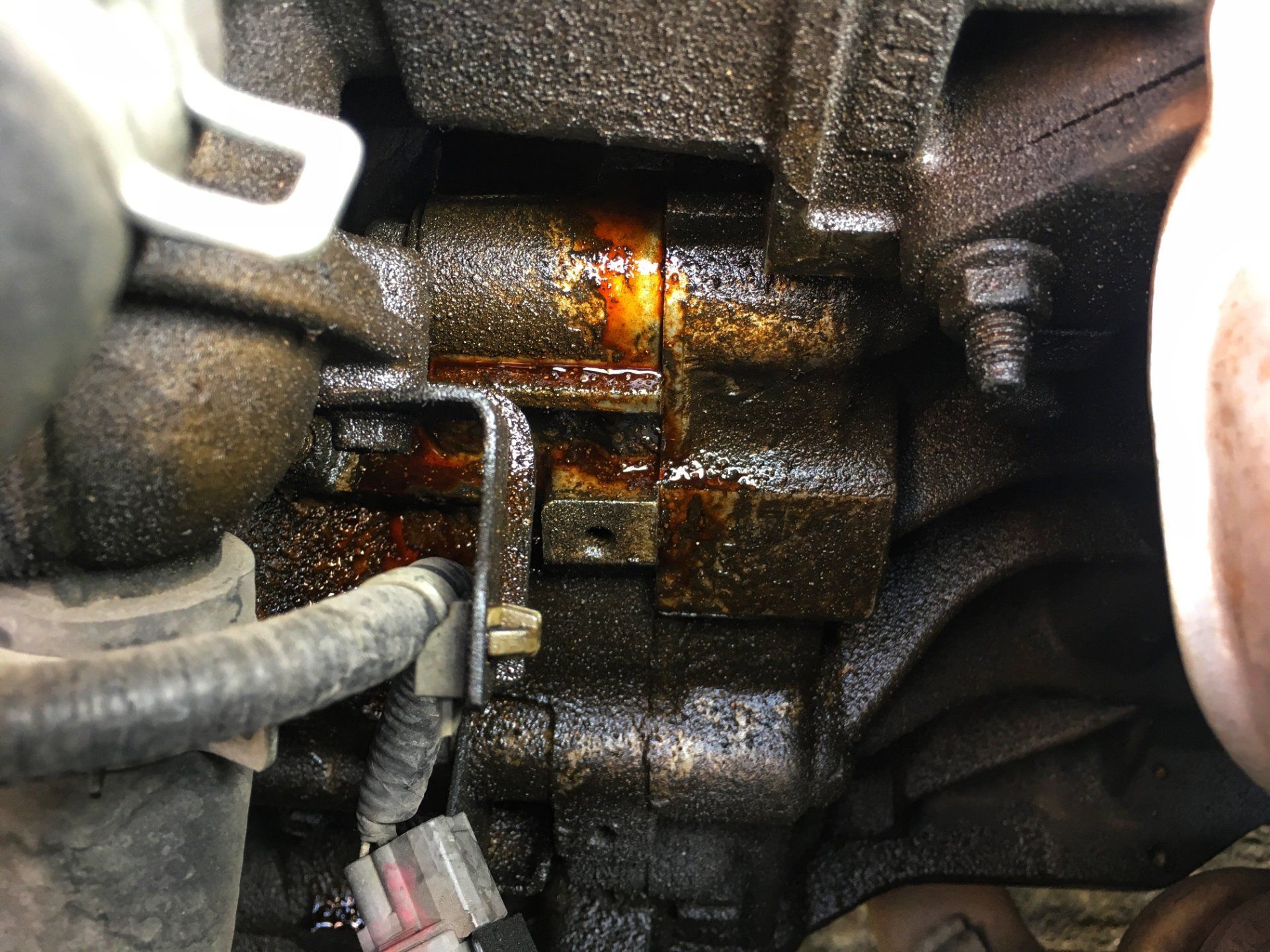
- Rear differential fluid level and condition, and any evidence of seepage at the seals
- Driveshaft center support bearing and flex joints, checked for play and cracking
- CV boots at both axles, since a split boot flings grease out and lets grit in
- Mounts and hardware, which take load every time torque shifts between axles
Your owner's manual is the reference for what your particular car is scheduled to have done and when. Where a technician earns the visit is on the condition side of that question, which is not something a mileage figure can answer.
Symptoms Worth Catching Early
Driveline problems tend to introduce themselves through feel and sound rather than through warning lights, which is why an attentive owner usually notices them well before a scan tool would flag anything.
- A binding or shuddering sensation in tight, slow turns, such as a parking garage ramp
- A low-frequency vibration that tracks with vehicle speed rather than engine speed
- A clicking sound during turns at low speed
- Grease deposits flung onto the inside of a wheel or the underbody
- Uneven or unusual wear across one axle's tires
- Traction behavior that feels different from what you are used to in the wet
None of those symptoms point to one component on its own. Several of them overlap with tire, wheel bearing, or suspension issues, and telling them apart is a matter of inspection rather than deduction from a description.
The Quattro Component Most Owners Forget
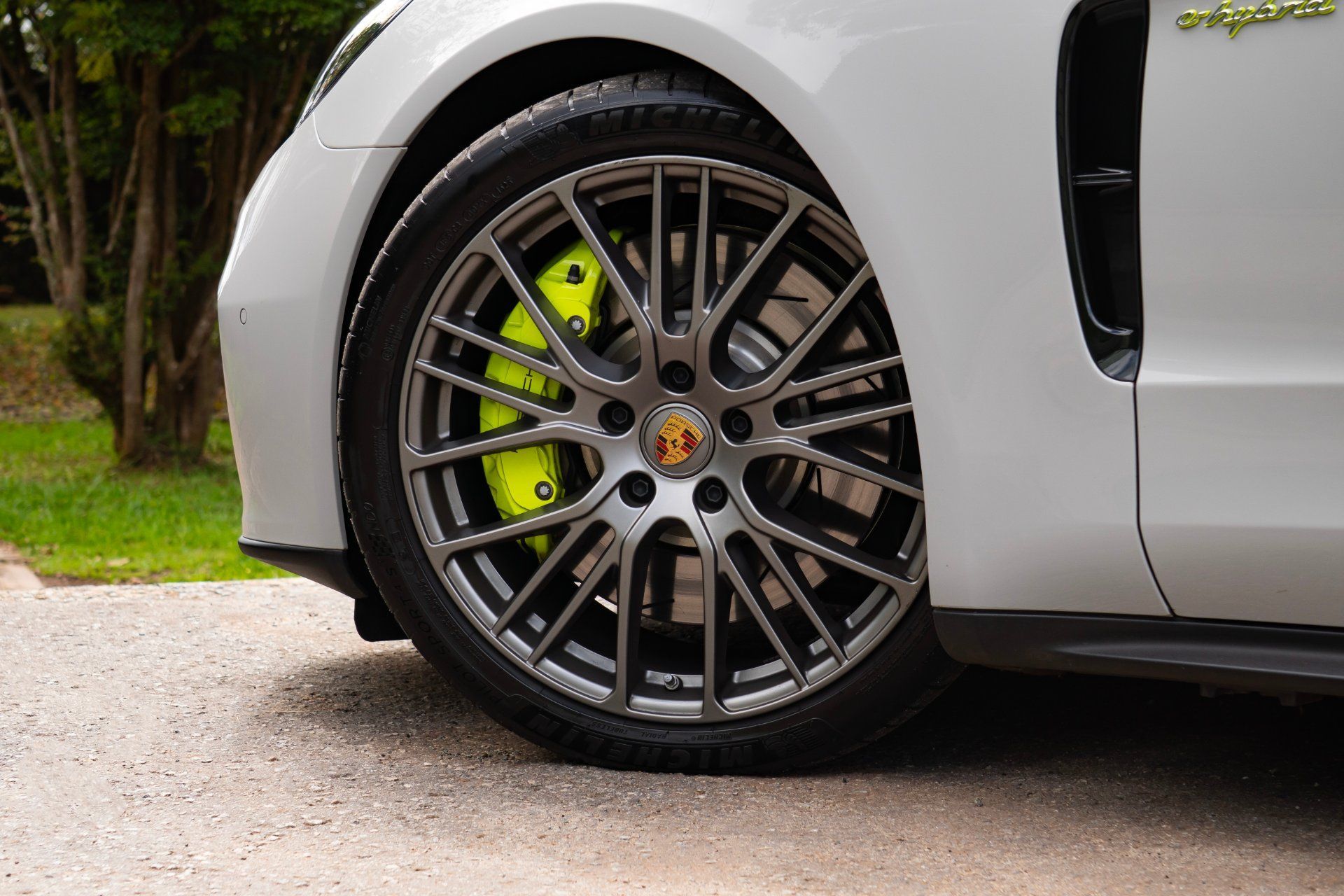
Tires. On an all-wheel-drive car, tires are a driveline component, not just a wear item.
All four wheels on a quattro car are mechanically linked in some fashion. When one tire has a meaningfully different rolling circumference than the others, whether from mismatched tread depth, a different model, or an incorrect size, the driveline has to absorb that difference continuously. That produces heat and load in components that were never meant to work against themselves.
Which is why replacing a single damaged tire on an all-wheel-drive car deserves more thought than it usually gets. Tread depth across the set, matching brand and model, and correct sizing all feed back into how hard the driveline is working. Before winter tires go on, it is worth having someone measure rather than eyeball it.
Why the Platform Knowledge Matters Here
Dubwerx works on Volkswagen, Audi, and Porsche exclusively. Three brands that share a great deal of engineering, which means every hour of training and every tool investment goes into understanding them rather than being spread across everything on the road.
On driveline work specifically, that focus shows up in accuracy. Knowing which layout a given Audi uses, what fluid specification it takes, which symptoms are normal characteristics of a system and which are early failures, and what tends to be worth inspecting on that platform is knowledge built through repetition. It is the difference between diagnosing a driveline and guessing at one.
Every appointment at Dubwerx includes full diagnostics, so if something else surfaced while your car was on the lift, you will hear about it. Parts are OEM-grade or better, and every repair carries a 3-year/36,000-mile warranty on parts and labor, against the 12-month/12,000-mile coverage that is typical elsewhere. That is a large part of why owners choose a specialist over a general shop once the factory warranty is behind them.
Schedule Audi Service at Dubwerx
Fall is the right time to look at the driveline, before the first genuinely bad morning of the year asks it to work. Call 513-795-8948 to schedule Audi repair or routine Audi service at 6323 Madison Road in Cincinnati. Every repair is backed by our 3-year/36,000-mile warranty on parts and labor.