Carbon Buildup in Volkswagen and Audi Engines: Symptoms, Causes, and Solutions
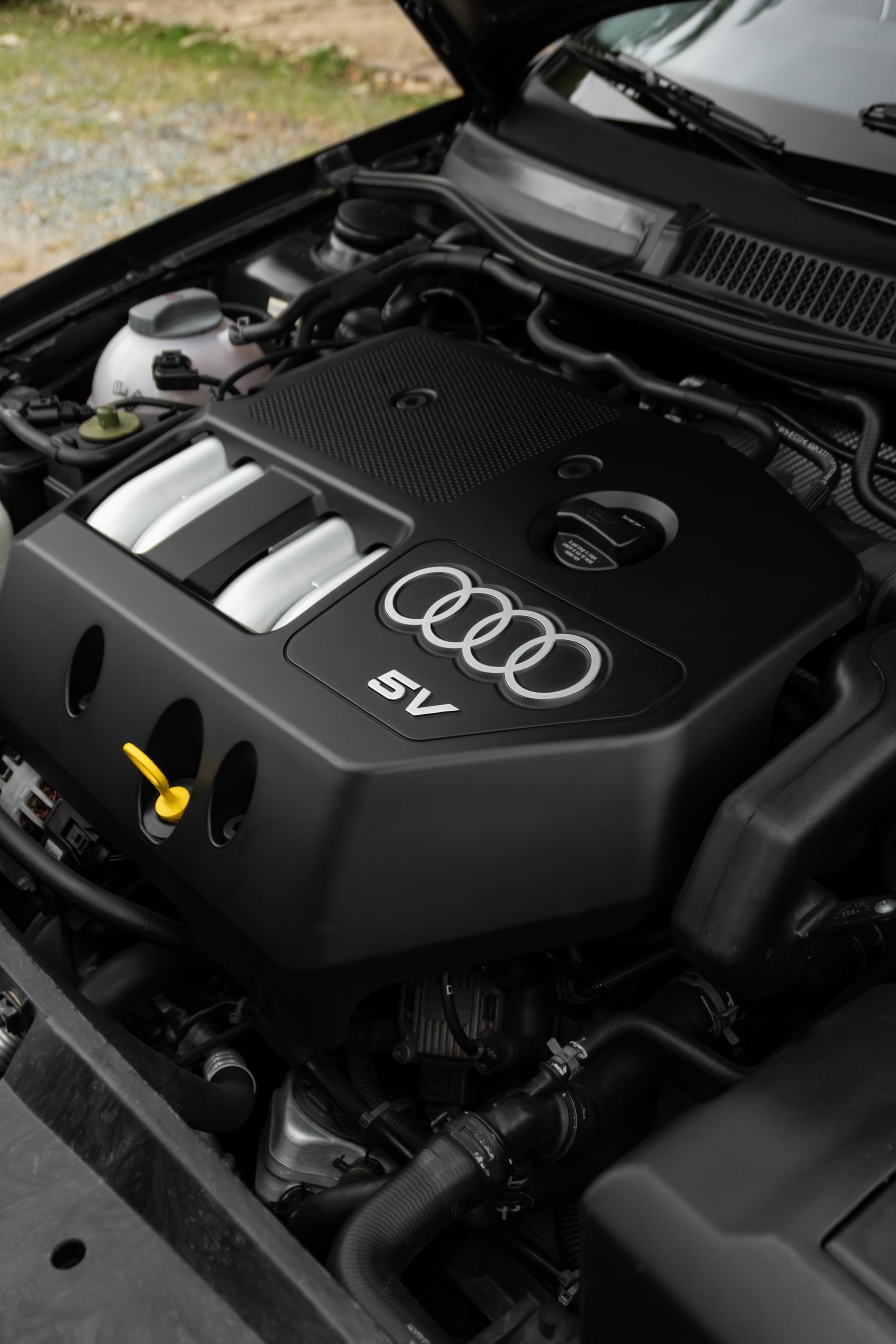
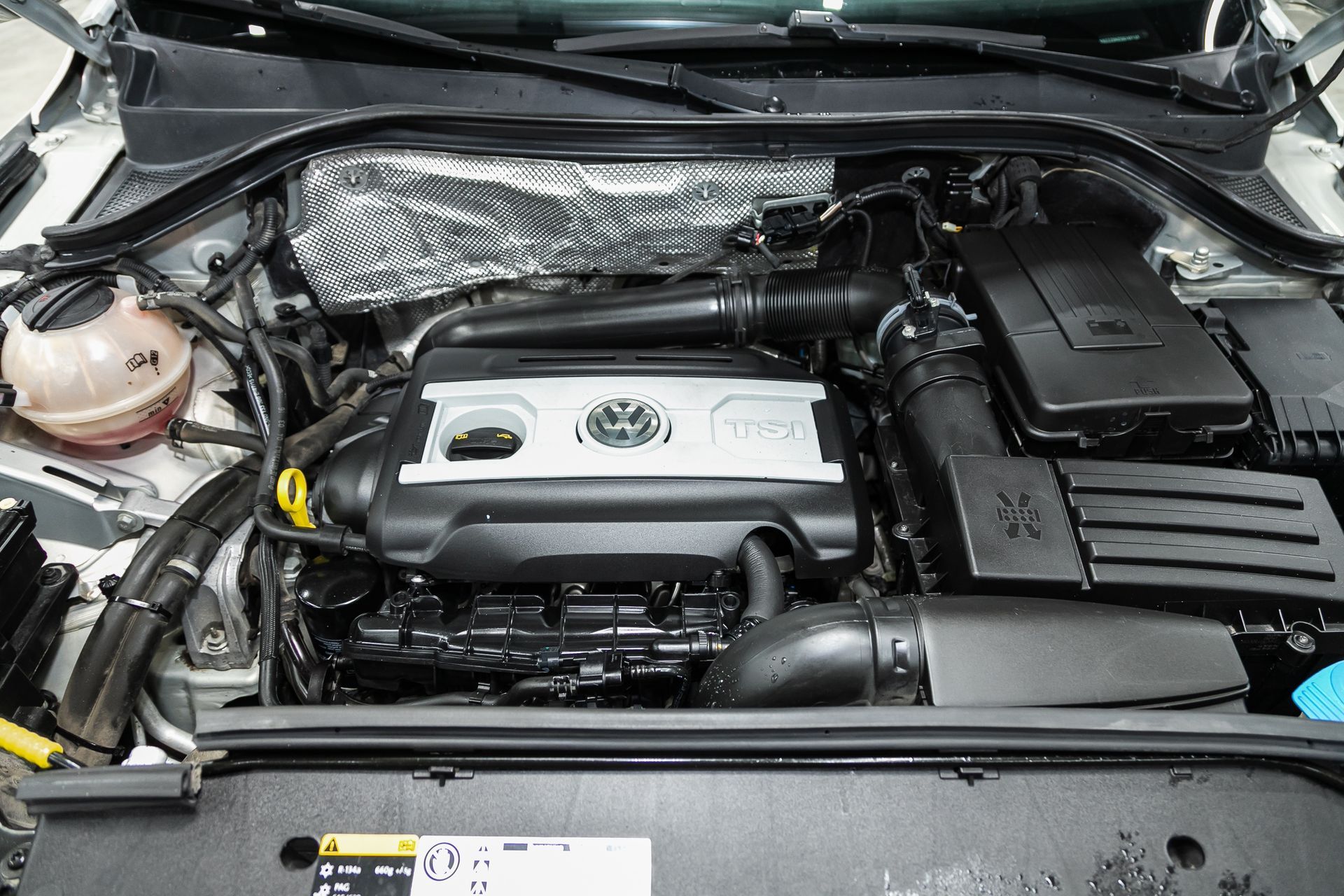
Volkswagen and Audi vehicles are known for combining turbocharged performance, fuel efficiency, and refined drivability. Many modern Volkswagen and Audi engines use direct fuel injection, which allows fuel to be delivered precisely into the combustion chamber.
Direct injection provides several performance and efficiency benefits, but certain engines may develop carbon buildup on the intake valves over time. As those deposits accumulate, they can interfere with airflow and contribute to rough running, reduced performance, or other drivability concerns.
Carbon buildup does not affect every vehicle at the same mileage or severity. The engine design, driving conditions, maintenance history, and operating environment can all influence how quickly deposits form.
Understanding the symptoms can help Volkswagen and Audi owners recognize when an inspection may be needed.
What Is Carbon Buildup?
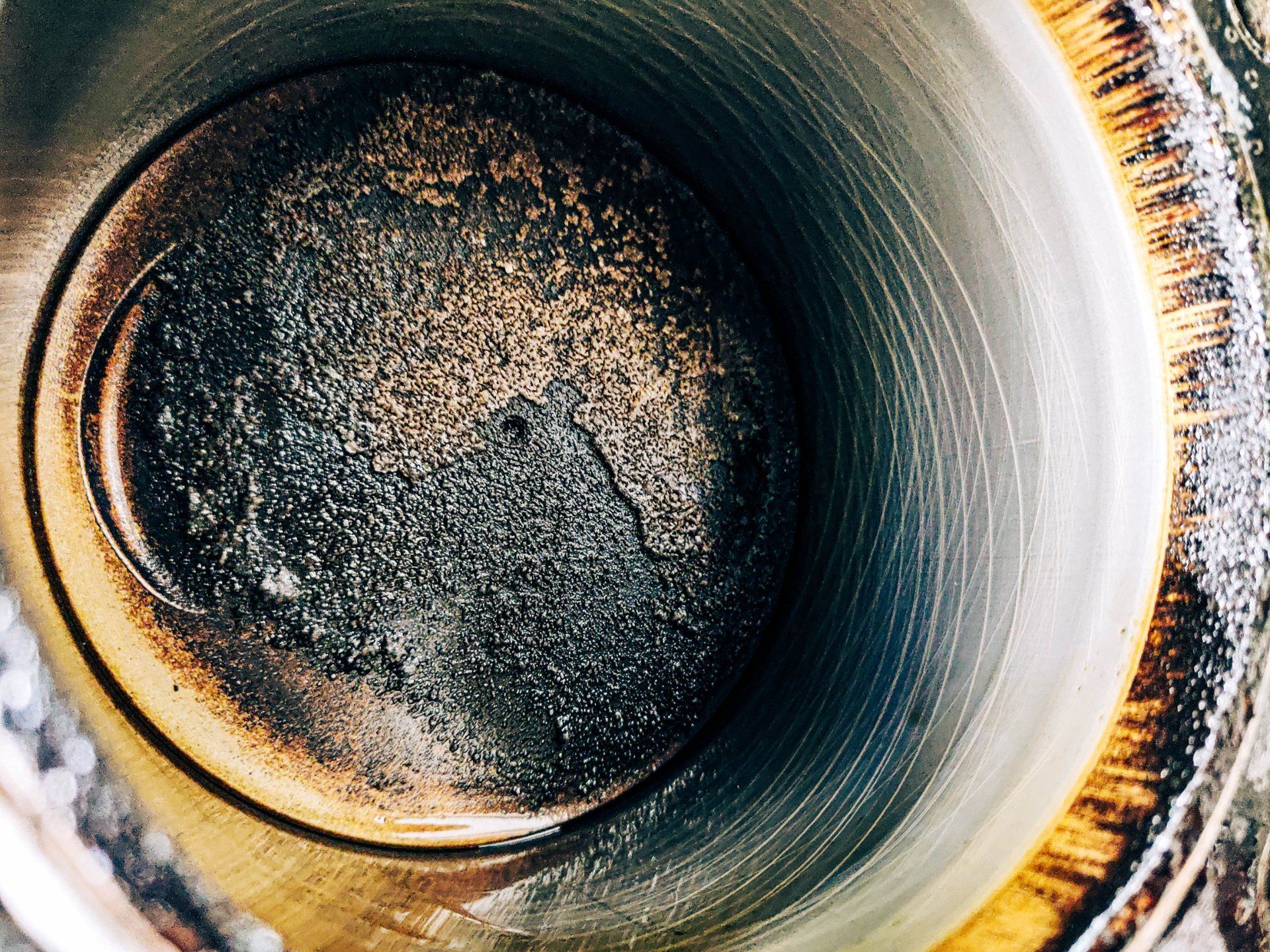
Carbon buildup is a collection of hardened deposits that can develop inside an engine.
These deposits may contain oil vapor, fuel residue, combustion byproducts, and other contaminants. In direct-injection engines, carbon commonly develops around the intake valves and intake ports.
The deposits may begin as a thin coating. Over time, they can become thicker and restrict the amount of air entering the engine.
Because the buildup occurs inside the intake system, it is not usually visible without removing components or using specialized inspection equipment.
Why Direct-Injection Engines Can Develop Intake-Valve Deposits
In a traditional port-injection engine, fuel is sprayed into the intake port before entering the combustion chamber. The fuel passes over the intake valves and may help wash away some residue.
In a direct-injection engine, fuel is sprayed directly into the combustion chamber. It does not flow across the back of the intake valves.
Oil vapor and combustion gases can still enter the intake system through the crankcase-ventilation and emissions systems. Without fuel flowing over the valves, residue may gradually collect and harden.
This does not mean direct injection is defective. It is simply a characteristic that may require additional attention as certain engines accumulate mileage.
Common Symptoms of Carbon Buildup
Carbon deposits can create symptoms that overlap with ignition, fuel, sensor, or mechanical problems.
Common signs may include:
- Rough idling
- Misfires during a cold start
- Hesitation during acceleration
- Reduced engine power
- Slower throttle response
- Poor fuel economy
- Engine shaking
- A check engine light
- Difficulty starting
- Uneven engine performance
Some Volkswagen and Audi vehicles may run roughly for several seconds after starting and then smooth out as the engine warms up.
Other vehicles may experience intermittent symptoms that become more noticeable under acceleration or during cold weather.
These symptoms do not automatically confirm carbon buildup. Proper diagnostics are needed because several engine problems can produce similar behavior.
Cold-Start Misfires
Cold-start misfires are one of the symptoms sometimes associated with intake-valve deposits.
When the engine is cold, restricted or uneven airflow may make it more difficult for the engine computer to maintain smooth combustion. The engine may shake, idle roughly, or store misfire-related trouble codes.
As the engine warms, the symptoms may become less noticeable.
However, cold-start misfires may also be caused by:
- Worn spark plugs
- Failing ignition coils
- Fuel-injector problems
- Vacuum leaks
- Low fuel pressure
- Sensor faults
- Compression problems
- Timing-related issues
The ignition, fuel, air, and mechanical systems should be evaluated before carbon cleaning is recommended.
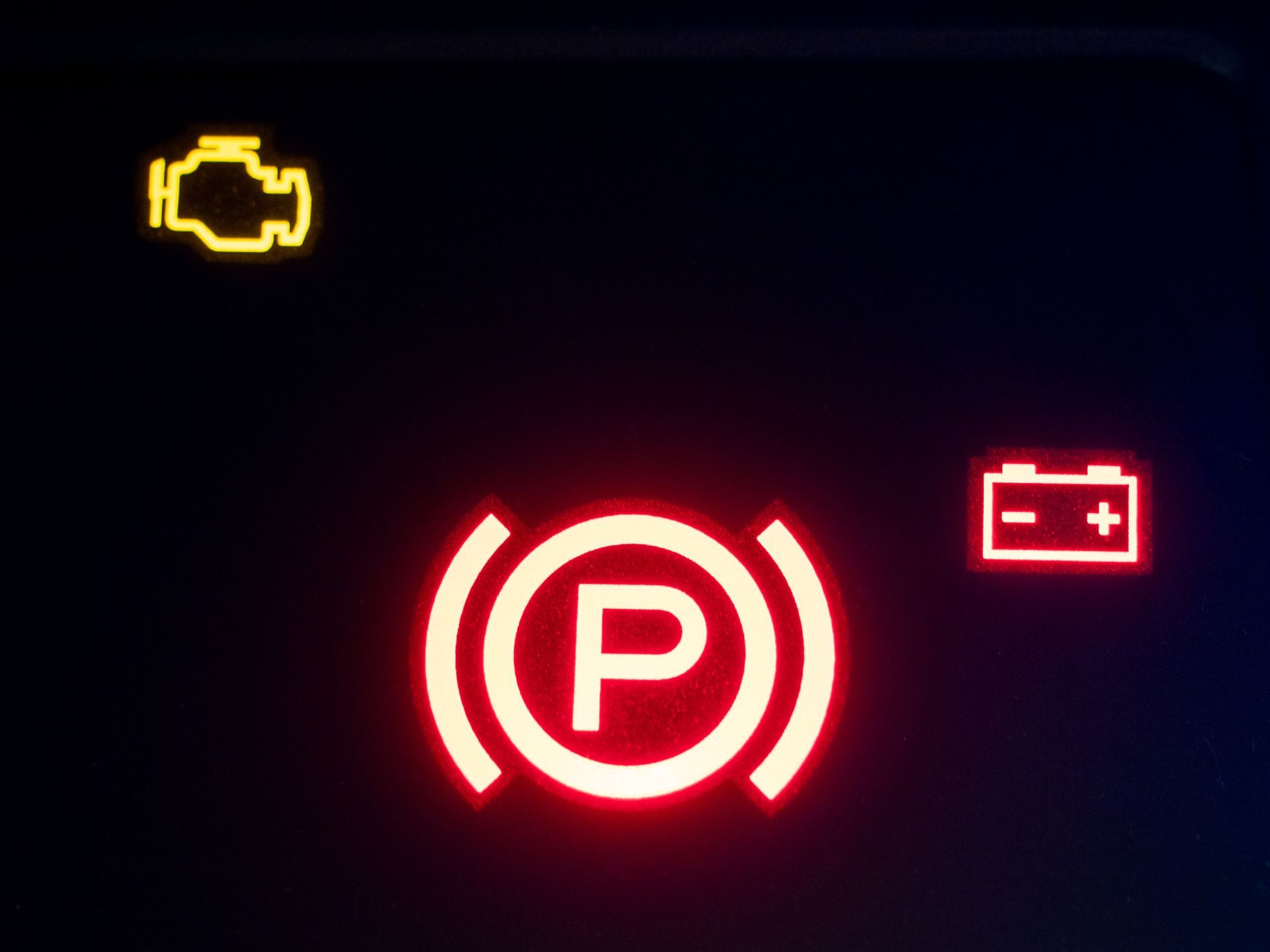
Can Carbon Buildup Cause a Check Engine Light?
Carbon buildup may contribute to a check engine light when it causes misfires, airflow problems, or other conditions that the engine computer can detect.
The stored diagnostic trouble codes may identify a misfire on one or more cylinders. They may also relate to fuel mixture, airflow, or engine performance.
A trouble code alone cannot confirm carbon buildup. It only tells the technician which condition the computer detected.
The diagnostic process may involve reviewing live data, checking misfire counters, inspecting ignition components, testing fuel delivery, and evaluating the intake system.
Can Carbon Buildup Reduce Performance?
Thick intake-valve deposits may restrict airflow into the engine.
When the engine cannot receive the proper amount of air, acceleration and throttle response may suffer. The vehicle may feel less responsive, particularly during passing, merging, or higher-load driving.
In turbocharged Volkswagen and Audi engines, performance depends on the engine computer accurately managing airflow, boost pressure, fuel delivery, and ignition timing.
A restriction or uneven airflow between cylinders can make that process more difficult.
Since several turbocharger, ignition, fuel, and sensor problems can also reduce performance, testing should be completed before assuming carbon buildup is responsible.
Which Volkswagen and Audi Engines Can Develop Carbon Buildup?
Carbon deposits are generally associated with gasoline direct-injection engines.
Volkswagen and Audi have used direct-injection technology in many engines and vehicle platforms. The risk, severity, and common mileage can vary significantly between engine generations.
Models that may use direct-injection engines include certain versions of the:
- Volkswagen GTI
- Volkswagen Golf R
- Volkswagen Jetta
- Volkswagen GLI
- Volkswagen Tiguan
- Volkswagen Passat
- Volkswagen Atlas
- Volkswagen Beetle
- Audi A3
- Audi A4
- Audi A5
- Audi A6
- Audi Q3
- Audi Q5
- Audi Q7
- Audi S and RS models
Not every engine in these models has the same design or maintenance needs.
The vehicle identification number, engine code, model year, and diagnostic findings should be reviewed before any cleaning procedure is recommended.
Does Driving Style Affect Carbon Buildup?
Driving conditions may influence how quickly deposits accumulate, although there is no single driving habit that can guarantee carbon-free intake valves.
Vehicles that primarily make short trips may spend more time operating before reaching full temperature. Frequent idling and repeated cold starts may also allow more moisture and residue to collect.
Longer drives that bring the engine fully to operating temperature may help reduce some types of contamination, but they generally cannot remove thick, hardened intake-valve deposits.
Aggressive driving is not a reliable carbon-cleaning method and should not replace proper diagnosis or maintenance.
Does Premium Fuel Prevent Carbon Buildup?
Using the fuel grade required by Volkswagen or Audi is important for performance and engine protection.
However, fuel additives and premium gasoline generally do not wash intake valves in a direct-injection engine because the fuel is sprayed directly into the combustion chamber.
A high-quality fuel may help keep fuel injectors and combustion components cleaner, but it may not prevent deposits from forming on the back of the intake valves.
Owners should continue following the fuel recommendations listed in the owner’s manual.
Can Fuel Additives Remove Intake-Valve Deposits?
Pour-in fuel additives travel through the fuel system and injectors.
In a direct-injection engine, those additives do not normally pass over the intake valves. This means they may not remove established intake-valve deposits.
Some products are marketed as intake cleaners that are introduced through the air-intake system. Their effectiveness depends on the product, application method, engine condition, and severity of the buildup.
Heavily hardened deposits may require a mechanical cleaning process rather than a chemical treatment.
A technician should inspect the engine and determine the appropriate method before cleaning is performed.
How Is Carbon Buildup Diagnosed?
A proper diagnosis begins with understanding the symptoms and eliminating other possible causes.
The inspection may include:
- Scanning the vehicle for diagnostic trouble codes
- Reviewing stored misfire data
- Monitoring live engine information
- Inspecting spark plugs and ignition coils
- Checking fuel pressure and injector operation
- Testing for intake or vacuum leaks
- Evaluating the crankcase-ventilation system
- Inspecting the intake valves with a camera
- Performing compression or leak-down testing when needed
A borescope may allow the technician to view the intake valves through an accessible opening.
The appearance of some residue does not automatically mean cleaning is necessary. The amount of buildup should be considered along with the symptoms and diagnostic results.
What Is Walnut Blasting?
Walnut blasting is a common mechanical method used to remove hardened intake-valve deposits.
During the procedure, the intake manifold is removed to access the intake ports. The technician positions the engine so the valves being cleaned are closed.
Crushed walnut-shell media is then directed at the deposits while a vacuum collects the loosened material.
Walnut shells are abrasive enough to remove carbon deposits but are less likely to damage the metal surfaces when the procedure is performed correctly.
Each intake port is cleaned individually before the engine is reassembled.
Why Must the Intake Valves Be Closed?
The intake valves must be closed while a port is being cleaned to help prevent walnut-shell material and loosened carbon from entering the combustion chamber.
The technician may rotate the engine manually to position the valves correctly for each cylinder.
Careful preparation and verification are important because the intake manifold and surrounding components have already been removed.
This is one reason carbon cleaning should be performed by a shop familiar with Volkswagen and Audi engine designs.
What Else Should Be Inspected During Carbon Cleaning?
Removing the intake manifold provides access to components that may be difficult to inspect during routine service.
Depending on the engine, the technician may evaluate:
- Intake-manifold seals
- Vacuum hoses
- Crankcase-ventilation components
- Injector seals
- Coolant connections
- Wiring and electrical connectors
- Intake-runner components
- Nearby oil or coolant leaks
This does not mean every part should be replaced automatically.
The technician should inspect the components and recommend replacement only when their condition, service history, or manufacturer procedure supports it.
Can Carbon Cleaning Improve Engine Performance?
If heavy deposits are restricting airflow or contributing to misfires, removing them may improve idle quality, throttle response, and overall engine performance.
The results depend on whether carbon buildup was actually causing the symptoms.
Carbon cleaning will not repair:
- A failing ignition coil
- Worn spark plugs
- A damaged fuel injector
- Low engine compression
- A vacuum leak
- A failing turbocharger
- A mechanical timing problem
- A defective sensor
A diagnostic inspection helps ensure the repair addresses the real cause instead of treating an unrelated condition.
How Often Should Intake Valves Be Cleaned?
There is no universal carbon-cleaning interval that applies to every Volkswagen and Audi vehicle.
Some engines may develop noticeable deposits at lower mileage, while others may operate much longer without symptoms.
The need for cleaning should be based on:
- Engine design
- Vehicle mileage
- Driving conditions
- Maintenance history
- Diagnostic trouble codes
- Drivability symptoms
- Visual inspection results
Routine carbon cleaning should not be recommended solely because a vehicle reaches a certain mileage unless the manufacturer or documented engine condition supports it.
Can Carbon Buildup Be Prevented?
It may not be possible to completely prevent intake-valve deposits in every direct-injection engine.
However, owners can support overall engine health by:
- Using the correct engine oil
- Following appropriate oil-change intervals
- Using the required fuel grade
- Addressing oil leaks promptly
- Repairing crankcase-ventilation problems
- Avoiding repeated operation with a misfire
- Allowing the engine to reach operating temperature regularly
- Scheduling service when drivability changes
The crankcase-ventilation system is particularly important because a malfunction may increase the amount of oil vapor entering the intake system.
Carbon Buildup Versus Normal Engine Wear
Carbon buildup is not the only condition that can affect an aging Volkswagen or Audi engine.
Worn internal components, timing-system issues, turbocharger problems, fuel-system faults, and electrical failures may create similar symptoms.
An accurate diagnosis is especially important when a vehicle has multiple trouble codes or an incomplete maintenance history.
Cleaning the intake valves without evaluating the complete engine may temporarily change the symptoms without solving the underlying problem.
Schedule Volkswagen or Audi Carbon Cleaning in Cincinnati
If your Volkswagen or Audi is experiencing rough cold starts, recurring misfires, hesitation, reduced power, or uneven idling, the intake valves may need to be inspected.
Dubwerx specializes exclusively in Volkswagen, Audi, and Porsche vehicles. Its Cincinnati team can scan the vehicle, evaluate ignition and fuel-system performance, inspect the intake system, and determine whether carbon buildup is contributing to the problem.
When cleaning is appropriate, the technicians can remove the deposits using the correct process for the specific engine.
A proper diagnosis helps ensure you receive the repair your vehicle actually needs while protecting the performance and drivability expected from your Volkswagen or Audi.