Cincinnati Heat and German Cooling Systems: What VW, Audi, and Porsche Owners Should Watch in August
Late summer is when a cooling system stops hiding its problems. Heat soak in stop-and-go traffic, humidity that keeps underhood temperatures high long after shutdown, and hills that load the engine on every trip out of the valley all push a marginal component past the point where it can pretend to be fine. August is one of the busiest stretches of the year for German car cooling system repair in Cincinnati, and it is not a coincidence.
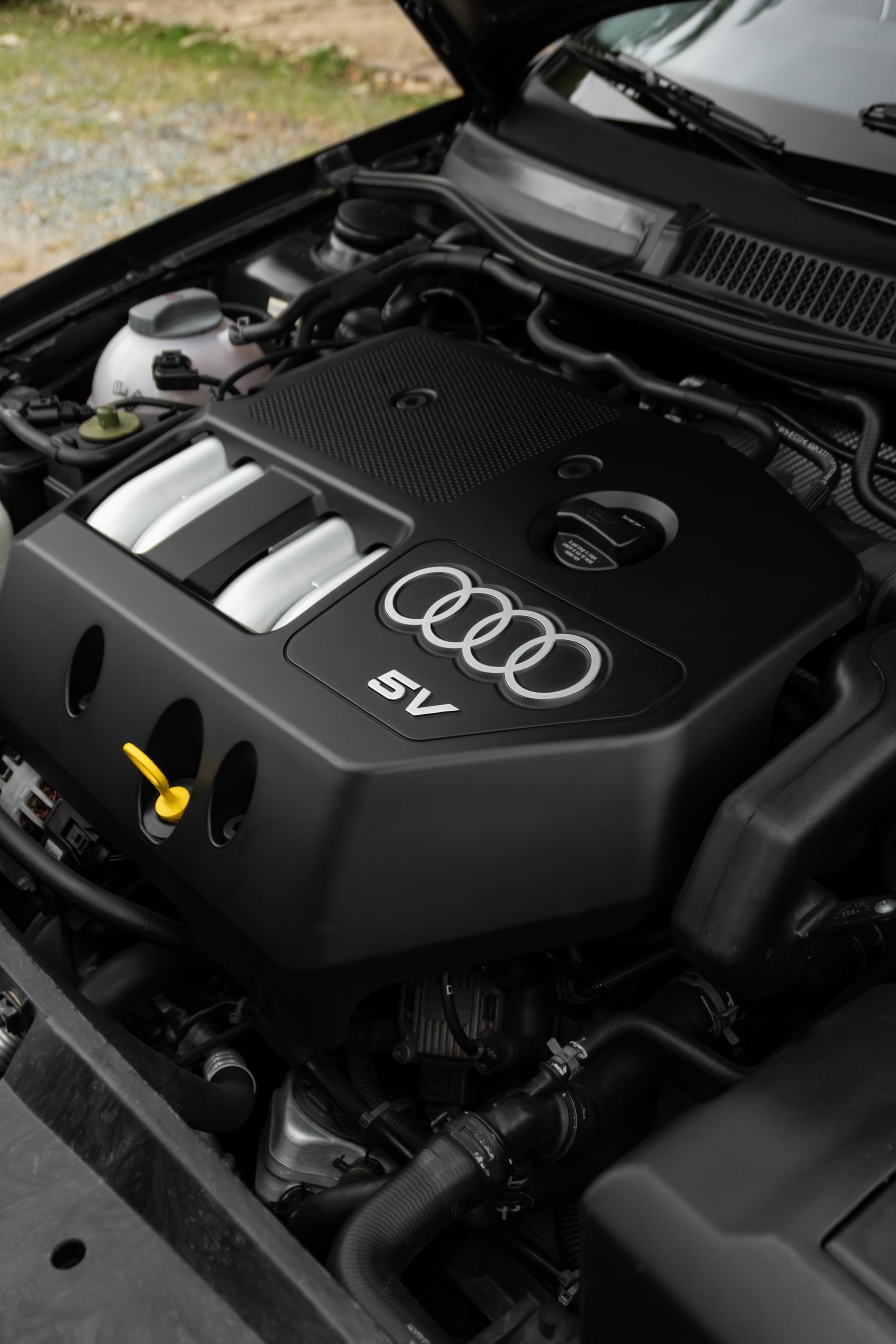
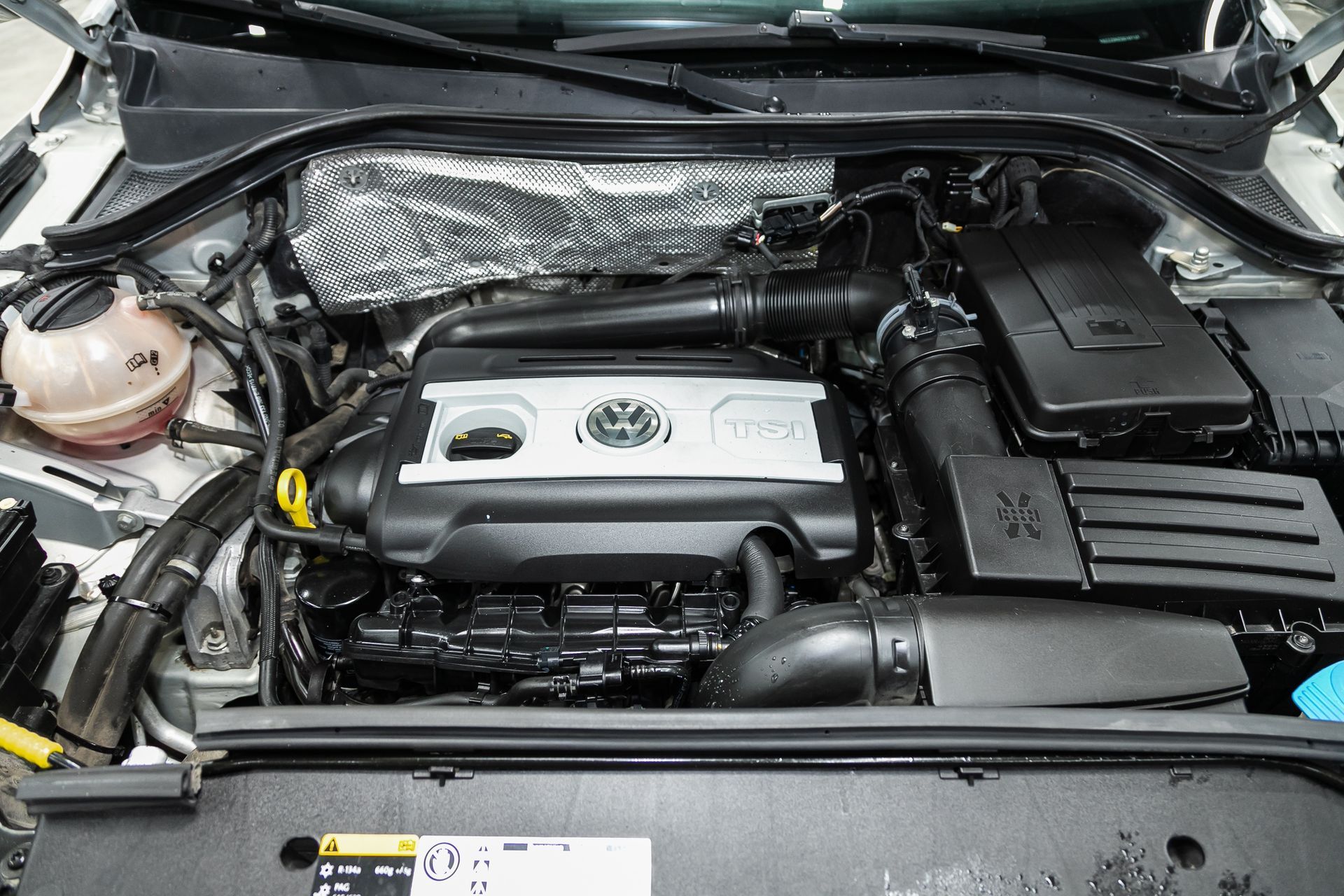
Volkswagen, Audi, and Porsche cooling systems are not built worse than anyone else's. They are built more intricately. More plastic, tighter packaging, thermostats integrated into housings and modules, and electric pumps and valves that move coolant on their own schedule rather than only when the crank is turning. More parts doing more precise work means more places for a small leak to start.
The useful part: cooling problems almost always announce themselves before they turn into a cylinder head repair. Catching one in August is the difference between a contained job and a much larger one.
What Cincinnati Summer Actually Does to the System
A modern cooling system is a pressurized, sealed circuit running a specific coolant chemistry through aluminum, rubber, and a surprising amount of plastic. Pressure is what raises the boiling point and keeps the whole thing stable. Every hot cycle expands those materials, every cooldown contracts them, and plastic gets more brittle each time it happens.
Add the local conditions. Traffic on I-71 and I-75 during a humid afternoon means low airflow and high ambient temperature at the same time, which is the worst case for a radiator that is partially blocked or a fan that only works on one speed. The hills between the river and the East Side neighborhoods keep the engine under load where a highway cruise would not. Cars that sit for stretches in summer are also prone to leaks showing up first as a smell rather than a puddle, because the coolant boils off the hot surface before it ever reaches the ground.
Where These Cars Tend to Give You Trouble First
Patterns across VW, Audi, and Porsche platforms are consistent enough that a shop that works on them daily knows where to look before the car is even on the lift. These are tendencies, not predictions about your specific car:
- Plastic thermostat housings and coolant flanges. Many of these engines integrate the thermostat into a molded housing or a combined pump and thermostat module. When the plastic goes, it usually seeps at a seam or a sensor port rather than bursting.
- Water pumps. On several of these engines the pump is driven off the timing system, so the labor overlaps with other work. That overlap is worth knowing about before you approve anything.
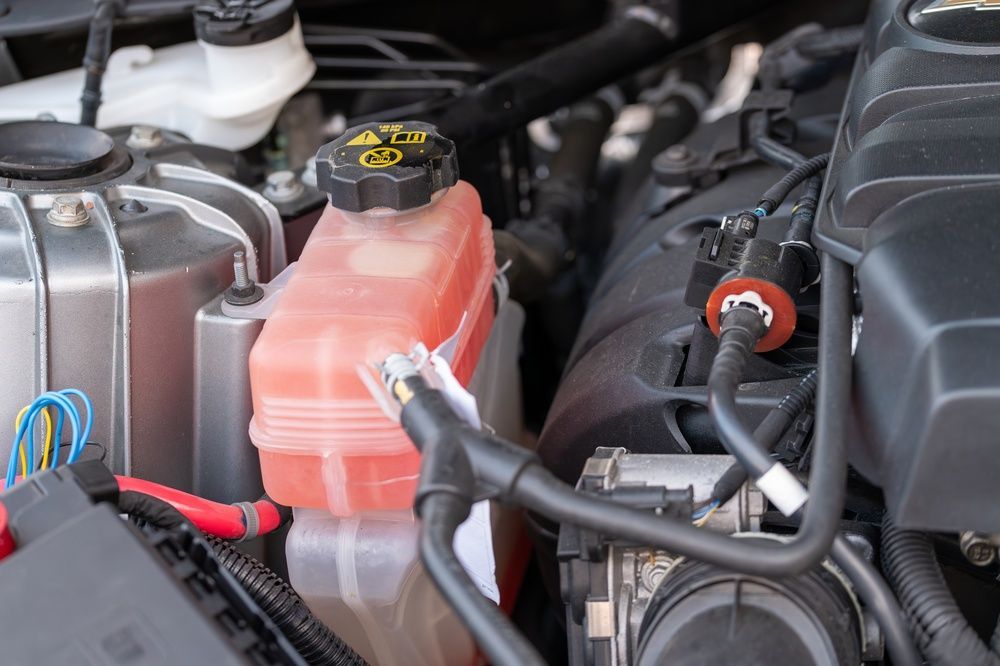
- Expansion tanks and caps. A tank that develops a hairline crack, or a cap that no longer holds rated pressure, will lower the boiling point of the whole system. Small part, real consequences.
- Electric auxiliary pumps and coolant valves. Turbocharged models often circulate coolant after shutdown to manage heat soak. When that stops working, the damage happens when the car is parked.
- Radiators and condensers packed with debris. On models with radiators tucked into the front corners, leaves and road grit collect where you cannot see them and hold moisture against the cores.
- Coolant chemistry. These brands specify their own coolant, and topping off with a generic universal product can cause it to gel or drop out of solution. What is already in the system matters.
Symptoms Worth Acting On
None of this diagnoses your car. It gives you better language for the phone call.
| What you notice | Commonly involved | What to do |
|---|
| What you notice | Commonly involved | What to do |
|---|---|---|
| Sweet, syrupy smell after a drive, no visible puddle | A seeping plastic housing, flange, or hose connection boiling off a hot surface | Schedule an inspection soon, before it becomes a level problem |
| Low coolant message that returns after you top it off | An active leak somewhere in the circuit, or a cap or tank not holding pressure | Stop topping off and get it pressure tested |
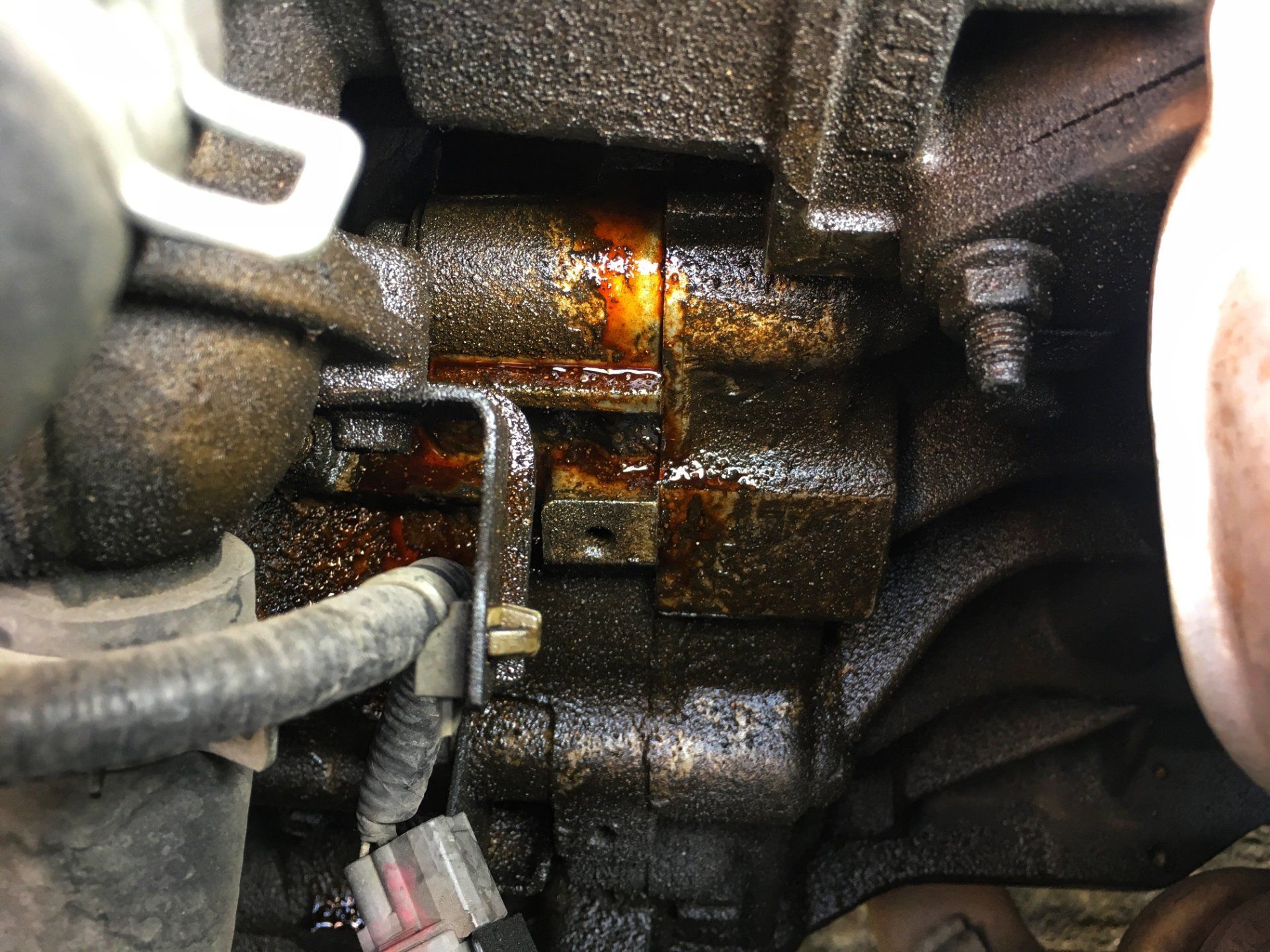
| Crusty white, pink, or orange residue near a hose or housing | Dried coolant marking a slow leak path | Photograph it and bring the car in |
| Heat blows cold or inconsistent, temperature reading unsteady | Air in the system, a thermostat not regulating, or low coolant level | Have it diagnosed rather than driven on |
| Temperature climbing above normal, warning light, or steam | Loss of coolant, circulation, or cooling fan function | Stop driving. See the section below. |
Overheating Is Not a Wait-and-See Situation
These engines use aluminum heads and blocks with tight tolerances. Sustained overheating is how a leak that could have been fixed for a fraction of the cost turns into head gasket and machine work. If the temperature is climbing or a coolant temperature warning is on, pull over safely, shut the engine off, and stay out of the engine bay. A pressurized system that is hot will spray scalding coolant the moment a cap moves.
Do not plan on limping it in. Arrange a tow to the shop, then call us so we know it is coming. Towing is not something we provide, so line that up separately.
Between visits, there is a short list of things worth doing yourself: check the coolant level in the expansion tank only when the engine is cold, look under the front of the car for drips after it has been parked overnight, and pay attention to smells and to how quickly the heater comes up in the morning. Pressure testing, bleeding, flushing, and anything requiring the car to be lifted belong in a shop with the right equipment.
German Car Cooling System Repair in Cincinnati, Done Once
Cooling work is where specialization shows. We only service Volkswagen, Audi, and Porsche, so all of our training, tooling, and attention goes into three closely related families of vehicles instead of everything on the road. That means we know which housing tends to seep on which engine, which jobs share labor with the timing system, and how to bleed a system that does not tolerate trapped air.
Every appointment includes full diagnostics, so if something else is developing while we have the car, you will hear about it rather than discover it in October. We use OEM-grade parts or better, which matters more than usual with coolant components, since a marginal plastic part is exactly the thing you do not want to replace twice. Whether it is a Volkswagen repair, an Audi, or a Porsche, the work is backed by our 3-year/36,000-mile warranty on parts and labor. Most shops offer 12 months and 12,000 miles.
If the car needs to stay with us, our transportation options include a free local shuttle through Uber, discounted rentals, and loaner cars, all subject to availability. Call about a week before your appointment if you need one. Short notice works out sometimes, but not reliably.
Schedule Service at Dubwerx
If your car has left a sweet smell in the garage, asked for coolant more than once this summer, or given you a temperature reading you had to think about, get it looked at while it is still a small job. Ask us about scheduled maintenance at the same time so the fall and winter items get planned instead of improvised.
Call 513-795-8948 to schedule. We are located at 6323 Madison Road on Cincinnati's East Side, and every repair is backed by our 3-year/36,000-mile warranty on parts and labor.