Why Is My Porsche Making a Suspension Noise? Common Causes
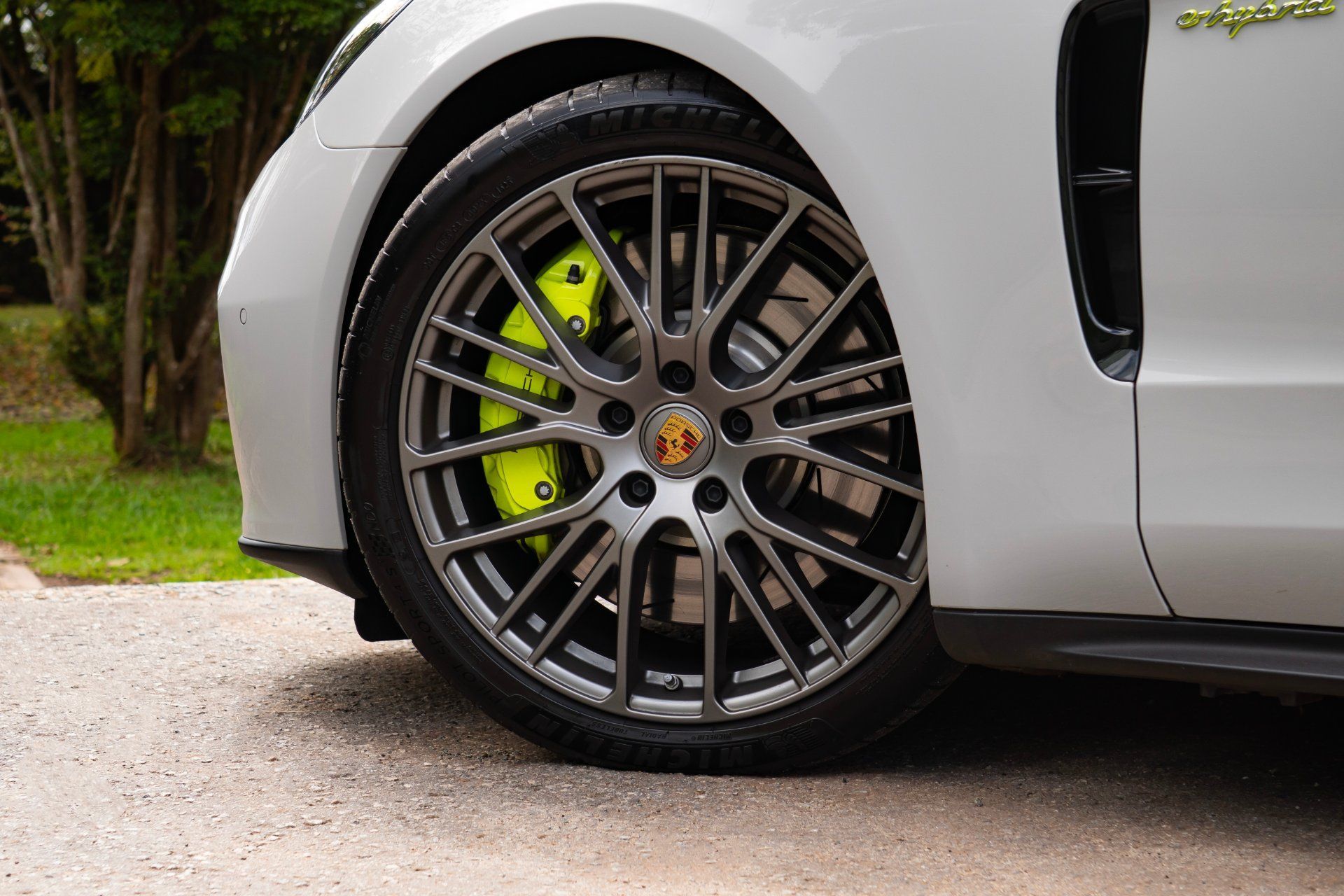
A Porsche should feel controlled, responsive, and composed on the road. When clunking, squeaking, rattling, or knocking noises begin coming from the suspension, they can affect both driving confidence and the refined experience Porsche owners expect.
Suspension noises can be caused by worn components, loose hardware, damaged mounts, or even a tire or brake issue that sounds like it is coming from the suspension.
The noise itself may provide clues, but a complete inspection is usually necessary to identify the source.
When Does the Suspension Noise Occur?
Before scheduling service, pay attention to when the noise happens.
Consider whether you hear it:
- When driving over bumps
- While turning
- During braking
- When accelerating
- At low speeds
- At highway speeds
- When entering a driveway
- Only when the vehicle is cold
- From the front or rear
- From one side or both sides
The conditions surrounding the noise can help a technician reproduce it and narrow down the possible causes.
Worn Control-Arm Bushings
Control arms connect the wheel assembly to the vehicle’s chassis and help control wheel movement.
Rubber or hydraulic bushings allow the control arm to move while isolating vibration. As the bushings age, they may crack, soften, separate, or lose their ability to control movement.
Possible symptoms include:
- Clunking over bumps
- Movement during braking
- Uneven tire wear
- Vague steering
- A change in wheel alignment
- Noise when changing direction
A bushing may look intact while still allowing excessive movement. The suspension may need to be loaded or tested to confirm the condition.
Worn Ball Joints
Ball joints allow suspension components to move as the wheels travel and turn.
As a ball joint wears, it may develop looseness that causes knocking or clunking. Excessive wear can also affect steering accuracy and tire wear.
Since a severely worn ball joint can become a safety concern, looseness should be evaluated promptly.
Some Porsche suspension components include a ball joint as part of a larger assembly. The correct repair depends on the model and component design.
Sway-Bar Links and Bushings
The sway bar helps control body roll during cornering. It connects to the suspension through links and is supported by bushings.
Worn sway-bar links commonly create a light clunk or rattle over small, repeated bumps. Worn bushings may also produce knocking or squeaking as the bar moves.
These noises may be most noticeable at lower speeds on uneven Cincinnati streets.
Because sway-bar noises can resemble control-arm or strut noises, the components should be inspected rather than replaced based on sound alone.
Shock and Strut Problems
Shocks and struts help control suspension movement and keep the tires in contact with the road.
A worn or damaged unit may produce:
- Knocking over bumps
- Excessive bouncing
- Reduced stability
- Fluid leakage
- Uneven tire wear
- Increased body movement
- Reduced confidence during braking or cornering
The noise may come from the shock or strut itself, but it may also originate from the upper mount, bearing, bump stop, or related hardware.
Replacing a shock without checking the surrounding components may leave the original noise unresolved.
Upper Suspension Mounts
Upper mounts attach shocks or struts to the vehicle body and help isolate vibration.
As the rubber or bearing within a mount wears, it may create popping, creaking, knocking, or binding noises. The sound may occur while turning the steering wheel, crossing uneven pavement, or moving through a driveway entrance.
Upper mounts can be difficult to inspect visually while the suspension is assembled. A technician may need to observe movement or unload the suspension to identify the problem.
Coil Springs
Coil springs support the vehicle’s weight and help maintain the correct ride height.
A spring may crack or break because of age, corrosion, impact, or repeated stress. A broken portion can create a metallic noise or cause one corner of the vehicle to sit lower.
Even a small broken section can affect suspension geometry and tire clearance.
The spring seat and surrounding components should also be inspected for damage.
Porsche Active Suspension Components
Certain Porsche models may be equipped with electronically controlled dampers, air suspension, adaptive suspension, or other active chassis systems.
Problems involving these systems may produce suspension noises, uneven ride height, warning messages, or changes in ride quality.
Potential causes can include:
- Air leaks
- Weak compressors
- Damaged height sensors
- Electronic damper faults
- Worn air springs
- Control-system problems
- Damaged wiring or connectors
Active suspension systems should be diagnosed with equipment that can communicate with the relevant vehicle modules.
A warning message does not always identify the exact failed component.
Steering Components That Sound Like Suspension Problems
Not every front-end noise comes from the suspension.
Tie rods, steering-rack mounts, steering shafts, and other steering components may create clunks or knocking sounds that seem similar to suspension noise.
Symptoms may also include:
- Steering-wheel play
- Wandering
- Uneven steering effort
- Clicking while turning
- A change in alignment
- Vibration through the steering wheel
The steering and suspension systems work together, so both should be evaluated during a front-end inspection.
Wheel Bearings
A worn wheel bearing often produces a humming or growling noise that changes with vehicle speed. In some cases, it may also produce looseness or a rough sensation.
The noise may become louder when the vehicle’s weight shifts during a turn.
Tire noise can sound similar to a wheel-bearing problem, especially when the tires have uneven or cupped wear. Testing helps determine whether the sound is coming from the bearing or the tire.
Tires Can Cause Noise and Vibration
Tires are a frequent source of noises that owners may mistake for suspension problems.
Possible tire-related causes include:
- Uneven tread wear
- Cupping
- Flat spots
- Internal tire damage
- Incorrect tire pressure
- Improper alignment
- A bent wheel
- Road debris lodged in the tread
Porsche vehicles are sensitive to tire condition because their suspension, steering, and performance systems are designed to work together closely.
Matching tire specifications and maintaining proper pressure can help preserve handling and ride quality.
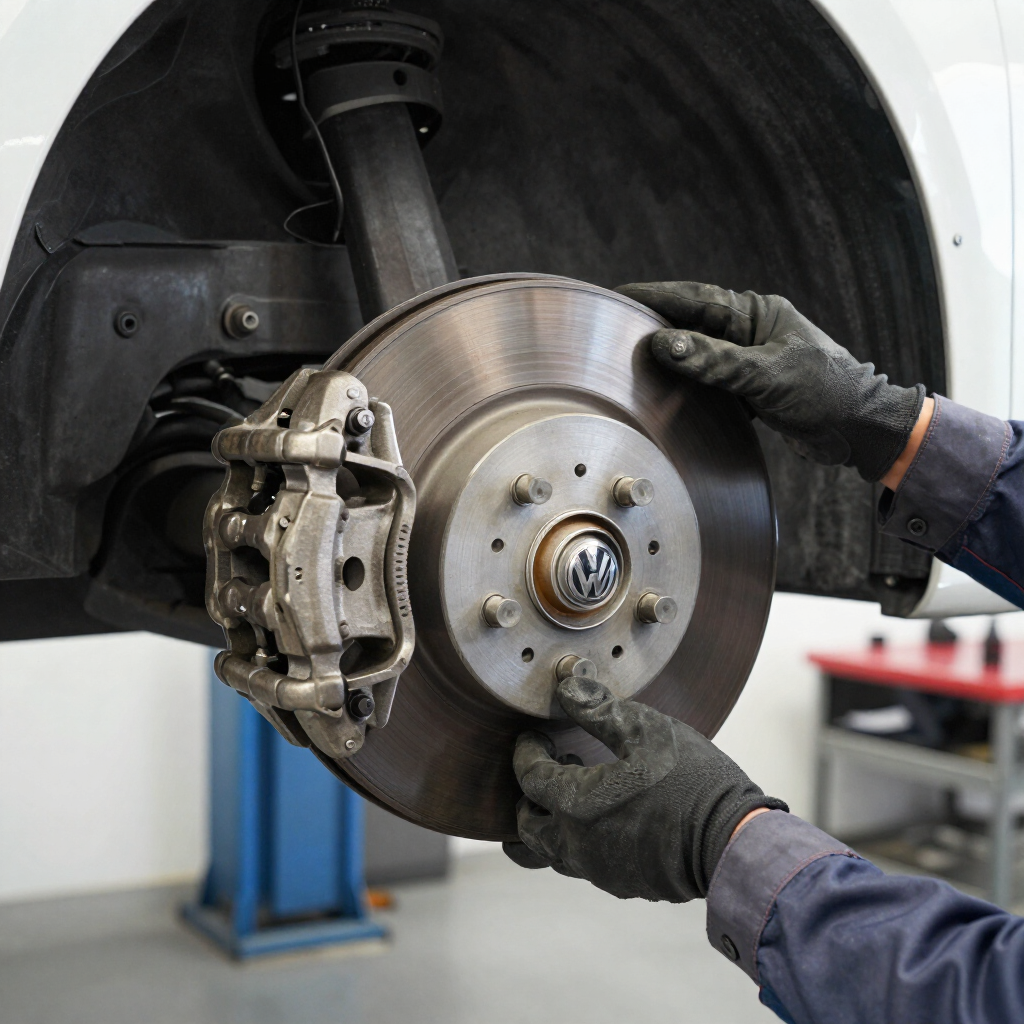
Brake Components May Also Rattle
Loose or worn brake hardware can create a rattle or clunk over bumps. The noise may change or disappear when the brake pedal is lightly applied.
Possible sources include brake pads, retaining clips, caliper hardware, or parking-brake components.
A brake inspection should be included when the sound appears to come from the wheel area.
Why Cincinnati Roads Can Reveal Suspension Wear
Potholes, uneven pavement, construction zones, driveway entrances, and seasonal temperature changes can place stress on suspension and steering components.
A single impact may damage a tire or wheel, while repeated impacts can accelerate wear in bushings, mounts, links, and joints.
After striking a significant pothole, watch for:
- New suspension noises
- Steering-wheel vibration
- Pulling to one side
- A crooked steering wheel
- Tire-pressure loss
- Visible wheel or tire damage
- Changes in handling
These symptoms should be inspected even when the vehicle remains drivable.
Can You Drive a Porsche With a Suspension Noise?
The answer depends on the source and severity of the problem.
A minor sway-bar-link rattle may not create the same immediate risk as a severely worn ball joint, damaged tire, or broken spring. Unfortunately, the sound alone may not reveal which component is involved.
Reduce driving and arrange an inspection promptly when:
- The vehicle feels unstable
- Steering has become loose
- The vehicle pulls to one side
- A tire is rubbing
- One corner sits lower
- The noise is severe or rapidly worsening
- A suspension warning appears
- The vehicle behaves differently while braking
When safety is uncertain, have the vehicle transported rather than continuing to drive it.
How Porsche Suspension Noise Is Diagnosed
A thorough inspection may include:
- A road test to reproduce the noise
- Checking tire pressure and tread condition
- Inspecting wheels for damage
- Examining bushings, joints, links, and mounts
- Checking shocks or struts for leakage
- Testing for looseness in steering components
- Inspecting brake hardware
- Scanning active suspension modules for faults
- Checking ride height
- Reviewing alignment and tire-wear patterns
Some noises only occur when the suspension is loaded. The technician may need to inspect the vehicle in multiple positions or use specialized equipment to locate the source.
Porsche Models That May Need Suspension Repair
Suspension noises can develop in Porsche sports cars, sedans, and SUVs, including the:
- Porsche 911
- Porsche 718 Boxster
- Porsche 718 Cayman
- Porsche Panamera
- Porsche Macan
- Porsche Cayenne
- Porsche Taycan
Each platform uses a different suspension design. An issue that is common on one model may not apply to another, so model-specific diagnosis is important.
Schedule Porsche Suspension Repair in Cincinnati
A new clunk, squeak, rattle, or vibration should not be accepted as a normal part of owning an aging Porsche.
Dubwerx specializes in Porsche, Audi, and Volkswagen vehicles. Its Cincinnati team can inspect the suspension, steering, tires, wheels, and brakes to determine where the noise is coming from.
Addressing suspension concerns early can help protect handling, tire life, ride quality, and the precise driving experience your Porsche was designed to provide.