Volkswagen DSG Transmission Service: What Owners Need to Know
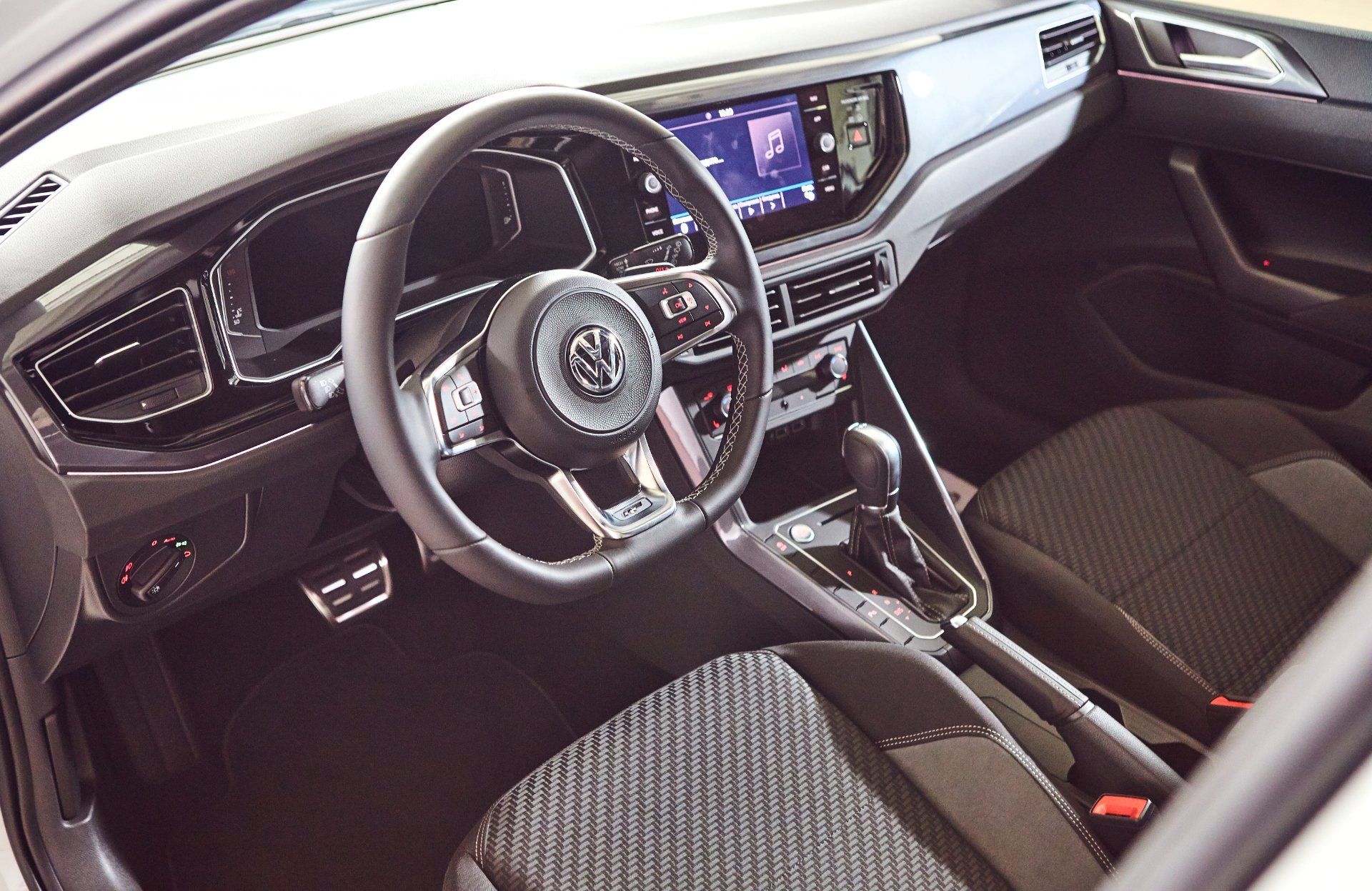
Volkswagen’s Direct-Shift Gearbox, commonly known as the DSG, is designed to provide fast gear changes while combining characteristics of an automatic transmission with the internal design of a manual transmission.
For drivers, the DSG can offer smooth acceleration, responsive shifting, and an engaging driving experience. However, it also has specific maintenance requirements that should not be treated like those of a conventional automatic transmission.
Using the correct fluid, following the appropriate service interval, and working with a technician who understands Volkswagen drivetrains can help preserve the performance and reliability of the system.
What Is a Volkswagen DSG Transmission?
A DSG is a dual-clutch transmission. Instead of using a traditional torque converter, it uses two clutch systems to manage different sets of gears.
While one gear is engaged, the transmission can prepare the next gear. This allows it to shift quickly when the vehicle accelerates or slows down.
The system is controlled electronically and may include:
- Multiple clutch assemblies
- Hydraulic controls
- Transmission fluid
- Electronic sensors
- A mechatronic control unit
- Internal gear sets
- Software that manages shifting behavior
The exact design varies between Volkswagen models and model years. Not every Volkswagen uses the same DSG transmission or follows the same service procedure.
Why DSG Fluid Service Matters
Transmission fluid serves several important purposes inside a DSG system.
Depending on the transmission design, the fluid may:
- Lubricate internal gears and bearings
- Help control transmission temperature
- Operate hydraulic components
- Carry away contaminants
- Support clutch and mechatronic operation
- Protect internal components from wear
As the fluid ages, heat and contamination can reduce its effectiveness. Metal particles and clutch material may also accumulate in the fluid and filter.
Replacing the correct fluid and filter at the proper interval helps maintain the hydraulic pressure, lubrication, and temperature control the transmission needs.
How Often Does a Volkswagen DSG Need Service?
The correct service interval depends on the specific transmission, vehicle, model year, and manufacturer guidance.
Some wet-clutch DSG transmissions have established fluid and filter service intervals. Other dual-clutch designs may have different requirements.
Owners should not assume that every Volkswagen DSG needs the same service at the same mileage. The transmission should be identified by the vehicle information before a service interval or procedure is recommended.
Your owner’s manual and the Volkswagen maintenance schedule for your specific model are the best starting points.
What Happens During a DSG Service?
A DSG service may involve more than draining and refilling the transmission.
Depending on the vehicle, the process can include:
- Confirming the transmission type
- Checking the system for stored fault codes
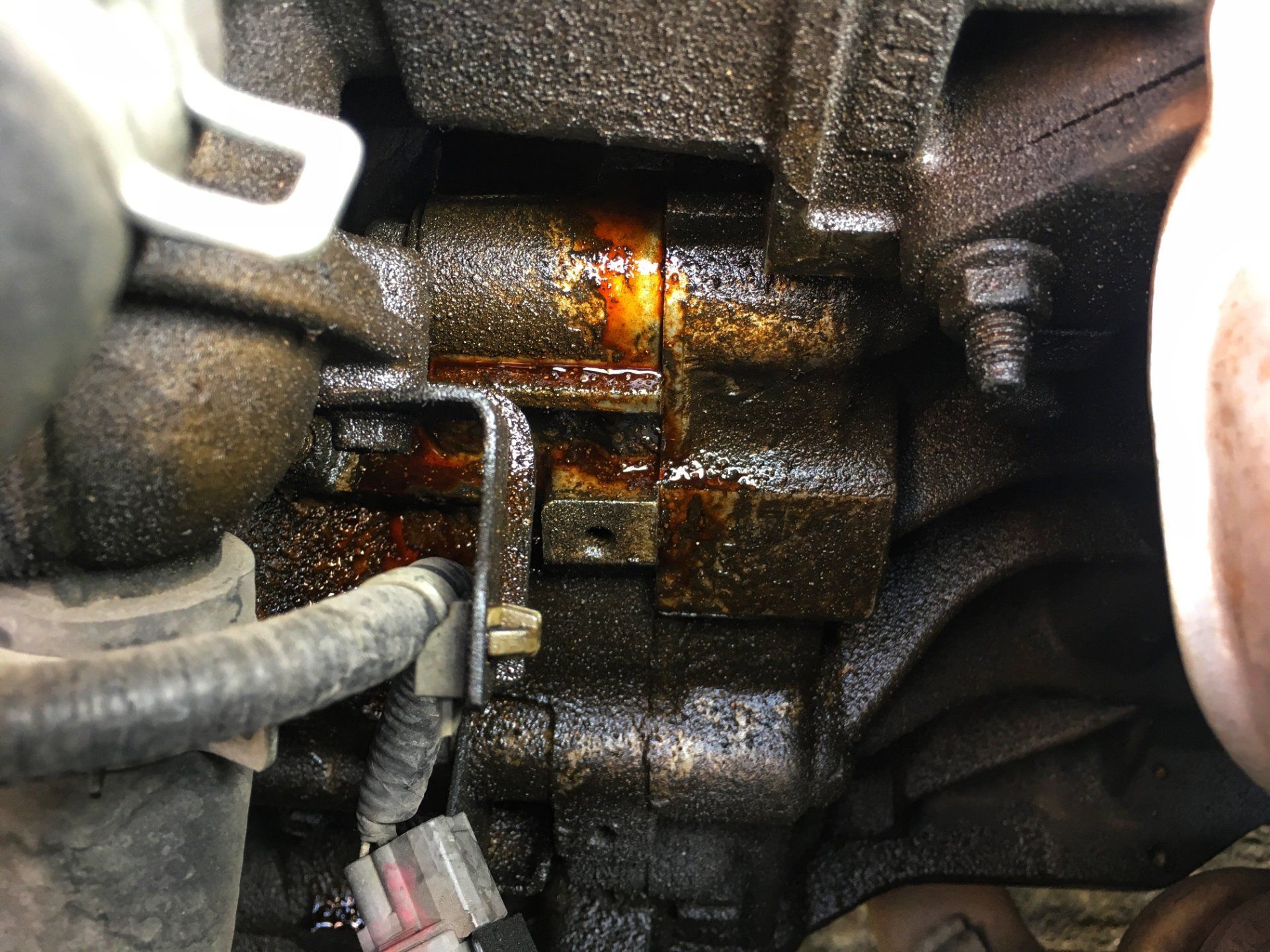
- Inspecting for fluid leaks
- Draining the old transmission fluid
- Replacing the transmission filter
- Replacing sealing washers or related hardware
- Refilling with fluid that meets the correct Volkswagen specification
- Monitoring transmission-fluid temperature
- Setting the fluid level according to the required procedure
- Checking operation after the service
DSG fluid level may need to be checked within a specific temperature range. Adding too much or too little fluid can affect transmission operation.
Why the Correct DSG Fluid Is Important
Transmission fluid is not universal.
Volkswagen DSG systems are designed around specific fluid properties. Using the wrong product may affect lubrication, hydraulic operation, clutch engagement, or shifting quality.
The label on a general transmission fluid container may list multiple applications, but that does not guarantee it is correct for every DSG transmission.
A qualified shop should confirm the transmission code and use fluid that meets the required specification.
Signs Your DSG Transmission May Need Attention
A DSG that is due for maintenance may not produce an obvious warning. However, transmission problems can create noticeable symptoms.
Schedule an inspection if you experience:
- Hesitation when moving from a stop
- Harsh or abrupt gear changes
- Shuddering during acceleration
- Delayed engagement in Drive or Reverse
- Unusual noises from the transmission
- A transmission warning message
- A flashing gear indicator
- Loss of certain gears
- Reduced-power or emergency operation
- Fluid leaking beneath the vehicle
These symptoms do not automatically mean the entire transmission has failed. They may be related to fluid condition, a clutch concern, a sensor, wiring, software, the mechatronic unit, or another component.
Proper diagnostics are needed before recommending repairs.
What Is a DSG Mechatronic Unit?
The mechatronic unit combines electronic controls with hydraulic components. It helps manage clutch operation, gear selection, and transmission pressure.
A mechatronic problem may cause harsh shifting, failure to engage a gear, warning messages, or inconsistent transmission behavior.
Because similar symptoms can also be caused by low voltage, wiring faults, clutch wear, low fluid, or internal mechanical problems, the system should be scanned and tested before the mechatronic unit is blamed.
Can a DSG Adapt to the Driver?
The DSG control system monitors operating conditions and uses learned values to help control clutch engagement and shifting.
After certain repairs or services, the transmission may require an adaptation or basic-setting procedure. This process allows the control system to relearn specific operating points.
An adaptation is not a cure for a worn clutch or damaged component. It should be performed only when required by the service procedure or supported by diagnostic findings.
DSG Service Is Not the Same as a Transmission Flush
A DSG service should follow the method specified for the transmission.
A universal transmission flush machine may not be appropriate for every Volkswagen DSG. These transmissions often require a controlled drain, filter replacement, exact fluid specification, temperature monitoring, and a defined level-setting procedure.
The goal is not simply to move a large volume of fluid through the unit. The goal is to complete the correct service for that particular transmission.
Volkswagen Models That May Use a DSG
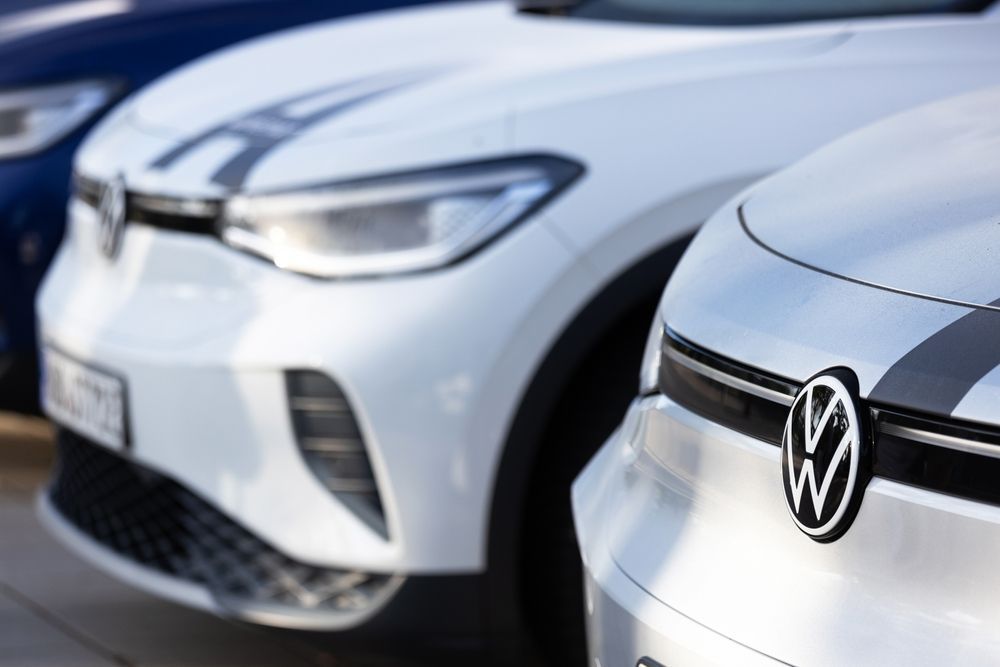
Volkswagen has offered DSG transmissions in numerous models and performance variants, including certain versions of the:
- Golf
- GTI
- Golf R
- Jetta
- GLI
- Passat
- Arteon
- Tiguan
- Beetle
The presence of an automatic shifter does not confirm that a vehicle has a DSG. Volkswagen has used multiple transmission designs across its lineup.
The vehicle identification number, transmission code, and model information should be checked before service is performed.
Driving Habits and DSG Performance
Driving conditions can affect how a dual-clutch transmission feels and wears.
Extended creeping in heavy traffic, frequent launches, towing, performance driving, and repeated operation in high temperatures may place additional stress on the clutches and fluid.
Drivers can help reduce unnecessary wear by:
- Avoiding excessive throttle while holding the vehicle on a hill
- Using the brake rather than the accelerator to prevent rolling
- Avoiding repeated hard launches
- Addressing warning lights promptly
- Following the correct maintenance schedule
- Having leaks inspected before the fluid level becomes low
Some low-speed sensations may be normal for a dual-clutch design, but new or worsening symptoms should be evaluated.
Can DSG Service Fix Shifting Problems?
Fresh fluid and a new filter may improve operation when old or contaminated fluid is contributing to a problem. However, routine service cannot repair worn clutches, failed sensors, damaged wiring, or internal mechanical faults.
A shop should not promise that fluid service will correct every shifting concern.
If the transmission is already showing symptoms, diagnostics should be performed before or along with the service. This helps determine whether maintenance is appropriate or whether another repair is needed.
Schedule Volkswagen DSG Service in Cincinnati
A Volkswagen DSG is a specialized transmission that requires the proper fluid, equipment, and service procedure.
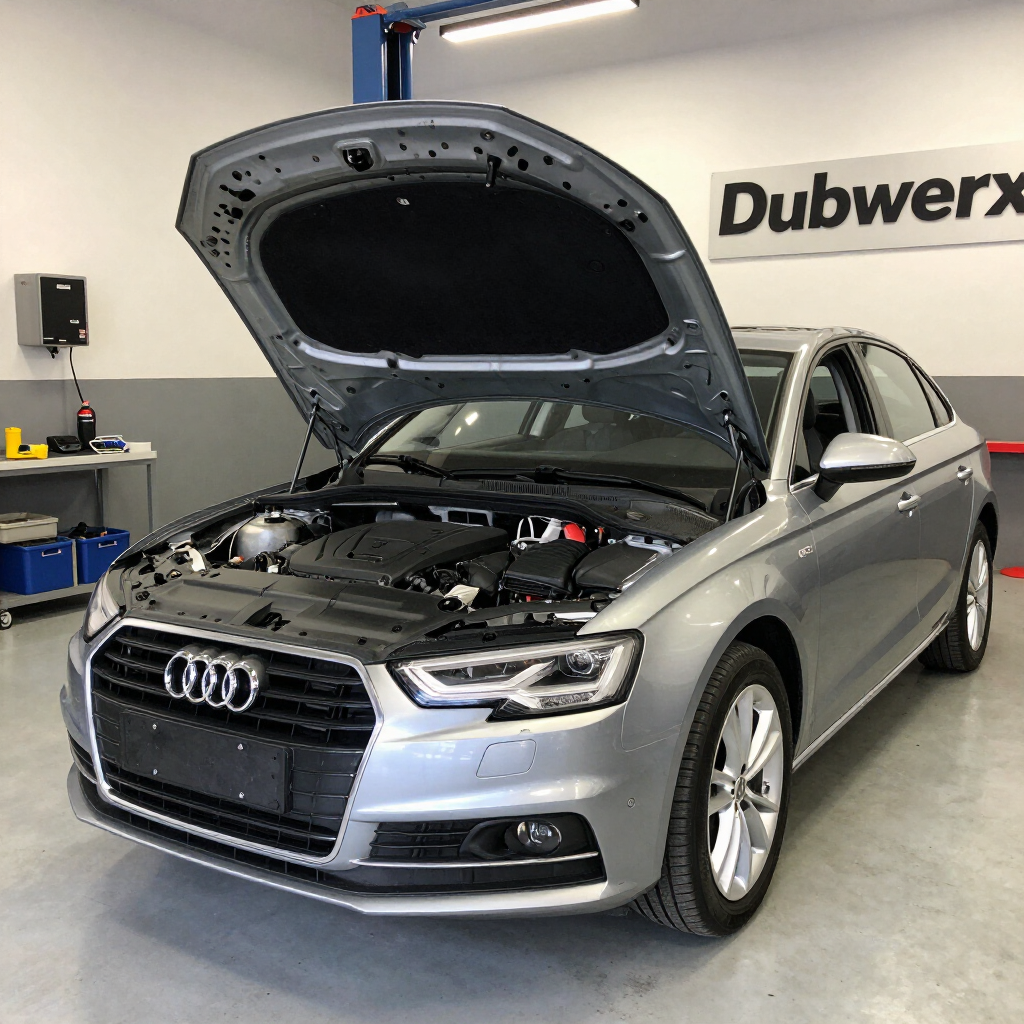
Dubwerx specializes exclusively in Volkswagen, Audi, and Porsche vehicles. Its Cincinnati technicians can identify the transmission in your Volkswagen, review its maintenance requirements, inspect for leaks, and complete the appropriate DSG service.
Whether you drive a GTI, Golf R, GLI, Tiguan, or another DSG-equipped Volkswagen, staying current on transmission maintenance can help preserve smooth shifting and long-term performance.