Common Audi Oil Leaks Cincinnati Drivers Should Watch For
Audi vehicles are known for combining refined comfort, responsive performance, and advanced German engineering. However, as an Audi gains mileage, oil leaks can become a concern that owners should not ignore.
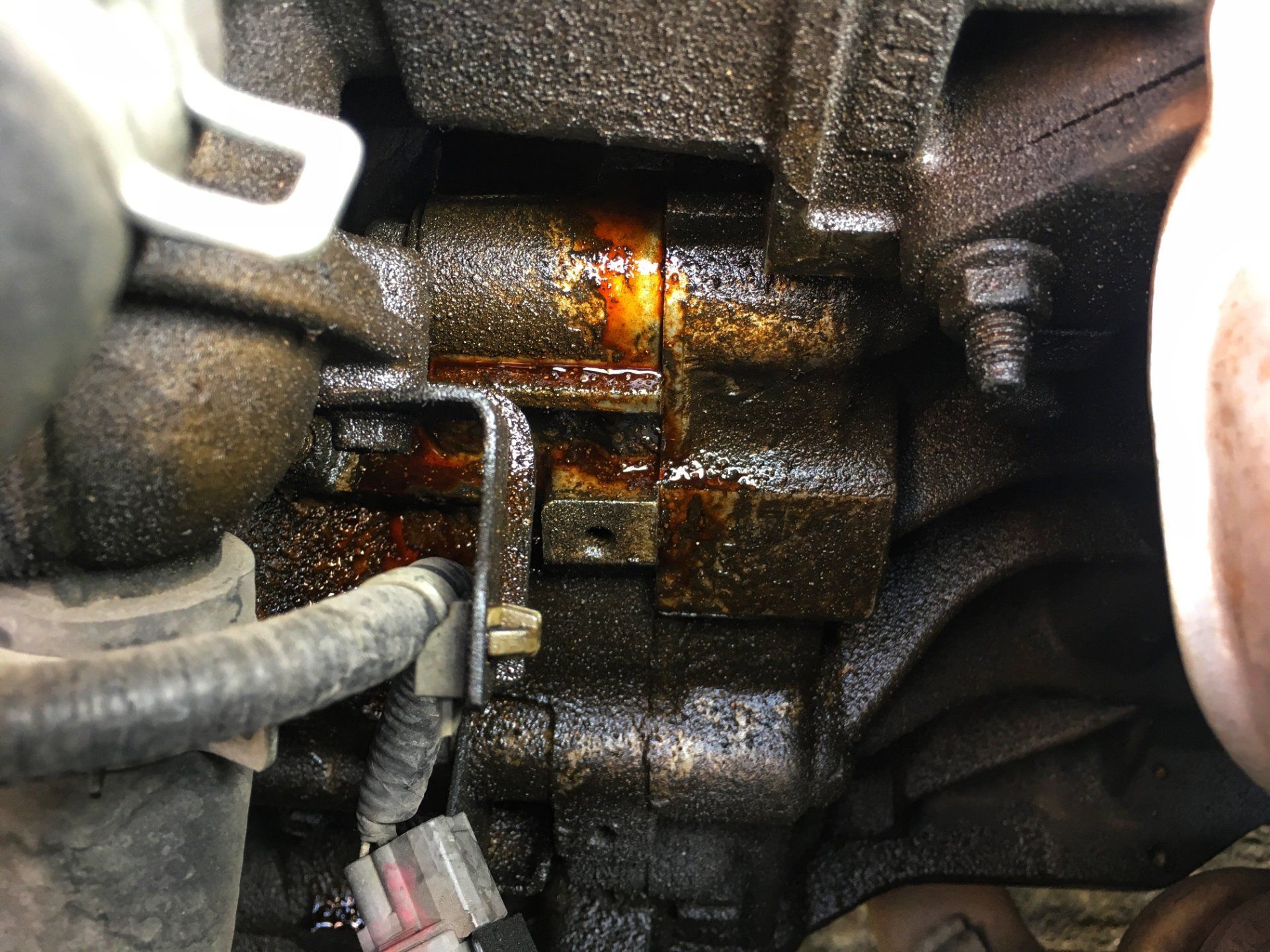
An oil leak may begin with only a faint burning smell or a few drops on the garage floor. Over time, the leak may become more severe, lower the engine-oil level, damage surrounding components, or cause smoke when oil reaches a hot engine or exhaust surface.
The exact source of an Audi oil leak depends on the model, engine, mileage, and service history. That is why a proper inspection is more useful than guessing based on where the oil appears beneath the vehicle.
Signs Your Audi May Have an Oil Leak
Oil leaks are not always immediately visible. Many Audi engines are equipped with lower covers or splash shields that can catch leaking oil before it reaches the ground.
Common warning signs include:
- Oil spots beneath the vehicle
- A burning-oil smell after driving
- Smoke from the engine compartment
- An engine-oil warning message
- An oil level that repeatedly drops
- Wet or greasy areas around the engine
- Oil residue on lower engine covers
- Increased oil consumption between services
A small leak may not cause an immediate drivability problem, but it should still be inspected. Oil can travel along engine components and make the source difficult to identify without cleaning and testing the affected area.
Valve Cover and Upper Engine Leaks
The valve cover seals the upper portion of the engine and helps keep engine oil contained while internal components are operating.
Over time, heat and age can cause the gasket or sealing material to harden, shrink, or lose its ability to seal properly. Oil may then begin seeping around the perimeter of the valve cover.
Depending on the Audi engine, the leak may produce a burning smell if oil reaches a hot exhaust component. It may also collect around ignition coils, wiring, or other parts near the top of the engine.
Because oil can spread across the engine before dripping downward, a valve-cover leak may initially look like it is coming from a lower component.
Oil Filter Housing and Oil Cooler Leaks
The oil filter housing holds the engine-oil filter and may also connect to an oil cooler or other lubrication-system components.
Gaskets and seals around the housing can deteriorate with age and repeated heat cycles. When this happens, oil may collect around the front or side of the engine before running down toward the bottom.
These leaks should be inspected carefully because other fluids or nearby components may make the source difficult to see. Replacing a seal without confirming the exact leak can result in unnecessary work.
Vacuum Pump Leaks
Some Audi engines use an engine-driven vacuum pump to provide vacuum for the braking system and other vehicle functions.
A seal around the pump may begin leaking as the vehicle ages. Oil can then collect near the rear or side of the engine, depending on the engine layout.
Vacuum-pump leaks can be difficult to identify because the pump may be located in a crowded area. Oil may also travel down the engine or transmission before becoming visible.
Timing Cover Leaks
The timing cover protects important timing components and helps contain engine oil.
Audi engines may use multiple covers, gaskets, or sealing surfaces around the timing system. As these materials age, oil seepage may develop.
A timing-cover leak can range from mild surface dampness to a more significant leak. Since accessing the affected area may require removing other components, an accurate diagnosis is important before beginning repairs.
Camshaft and Crankshaft Seal Leaks
The camshaft and crankshaft rotate while extending through sealed areas of the engine. Oil seals are used to keep engine oil contained around these moving components.
A worn seal may allow oil to escape and spread around the front or rear of the engine. In some cases, the oil may contaminate belts, pulleys, or nearby components.
The repair process depends heavily on the Audi model and engine design. Some seals are relatively accessible, while others require considerable disassembly.
Oil Pan and Lower Engine Leaks
The oil pan stores engine oil at the bottom of the engine. Depending on the Audi, it may use a gasket, formed seal, or sealing compound.
The oil pan can begin leaking because of age, damaged sealing material, corrosion, or impact from road debris. Drain plugs and drain-plug sealing washers can also leak when damaged, worn, or incorrectly installed.
Because oil from higher on the engine naturally runs downward, the presence of oil around the pan does not automatically mean the pan is the source.
The engine should be inspected from top to bottom before an oil-pan repair is recommended.
Turbocharger Oil Leaks
Many Audi vehicles use turbocharged engines. Turbochargers rely on engine oil for lubrication and cooling.
Oil leaks may develop around turbocharger oil-supply lines, oil-return lines, seals, or nearby connections. Symptoms can include oil residue, a burning smell, smoke, or increased oil consumption.
Smoke from the exhaust does not always mean the turbocharger has failed. Several engine and crankcase-ventilation problems can produce similar symptoms, so testing is necessary.
Crankcase Ventilation Problems
The crankcase-ventilation system helps control pressure and route engine vapors back through the intake system.
When a valve, diaphragm, hose, or related component fails, excessive crankcase pressure may develop. That pressure can contribute to oil leaks or push oil through seals that were previously holding.
Possible symptoms include:
- Whistling or unusual engine noises
- Rough idling
- Increased oil consumption
- Oil leaks from multiple areas
- A check engine light
- Changes in engine vacuum
Repairing only the visible leak may not provide a lasting solution when excessive crankcase pressure is the underlying cause.
Why an Audi Oil Leak Should Be Diagnosed Early
A minor oil leak can become more expensive when it is ignored.
Leaking oil may damage rubber hoses, belts, electrical connectors, engine mounts, and other surrounding components. Oil that reaches the exhaust can also create smoke and an unpleasant odor.
If the engine-oil level becomes too low, internal engine components may no longer receive adequate lubrication. That can lead to accelerated wear or severe engine damage.
Early diagnosis allows the technician to determine the source, assess the severity, and help the owner prioritize the repair.
How an Audi Oil Leak Is Diagnosed
A professional oil-leak inspection may include:
- Checking the engine-oil level
- Inspecting the top and bottom of the engine
- Removing lower covers when needed
- Cleaning areas covered in old oil
- Looking for fresh oil after cleaning
- Inspecting gaskets, seals, hoses, and housings
- Checking the crankcase-ventilation system
- Adding diagnostic dye when the source is difficult to locate
- Rechecking the vehicle after it has been operated
Finding the highest fresh point of the leak is often the key to identifying the true source.
Audi Models That May Need Oil-Leak Service
Oil leaks can develop in many Audi cars and SUVs as they age. This includes vehicles such as the:
- Audi A3
- Audi A4
- Audi A5
- Audi A6
- Audi A7
- Audi A8
- Audi Q3
- Audi Q5
- Audi Q7
- Audi Q8
- Audi S and RS models
The common leak points and repair procedures differ by engine and model year. A brand-focused inspection helps ensure the vehicle is evaluated using the correct information and procedures.
Schedule Audi Oil-Leak Repair in Cincinnati
If your Audi is leaving oil spots, producing a burning smell, displaying an oil warning, or requiring frequent oil top-offs, schedule an inspection before the leak becomes more severe.
Dubwerx specializes in Audi, Volkswagen, and Porsche vehicles. Its Cincinnati team can inspect the engine, identify the source of the oil leak, explain the findings, and recommend the appropriate repair for the specific Audi model and engine.
Addressing the leak early can help protect engine performance, surrounding components, and the long-term reliability of your Audi.