Common Volkswagen Brake Problems Cincinnati Drivers Should Not Ignore
Volkswagen vehicles are known for being comfortable, responsive, and enjoyable to drive, but that driving experience depends heavily on having brakes that are working the way they should. Whether you drive a Jetta, Passat, Golf, GTI, Atlas, Tiguan, Taos, Beetle, Arteon, or another VW model, your braking system is one of the most important parts of the vehicle. It affects how safely you stop, how controlled the car feels, and how confident you are behind the wheel. The challenge is that brake problems do not always show up all at once. Many of them start small, with a slight noise, a little vibration, or a brake warning light that seems easy to ignore.
If your Volkswagen is making noise when you brake, taking longer to stop, shaking when you slow down, or showing a warning light on the dashboard, it is worth paying attention. Brake issues usually do not fix themselves. They tend to get worse with time, and the longer you wait, the more likely it is that a simple repair can turn into a bigger one. A worn brake pad can eventually damage the rotor. A small vibration can become more noticeable. A minor warning sign can become a safety concern. Getting your brakes checked early is not about overreacting. It is about protecting your vehicle, your passengers, and your wallet.
One of the most common Volkswagen brake problems is squeaking or squealing. This noise often happens when the brake pads are getting low, although it can also come from moisture, dust, brake pad material, or normal surface rust after the vehicle sits. A little noise first thing in the morning may not always mean something serious, especially if it goes away quickly. But if the squeaking continues, gets louder, or happens every time you brake, your VW should be inspected. Brake pads are designed to wear down over time, and a squealing noise can be your early warning that it is time to replace them.
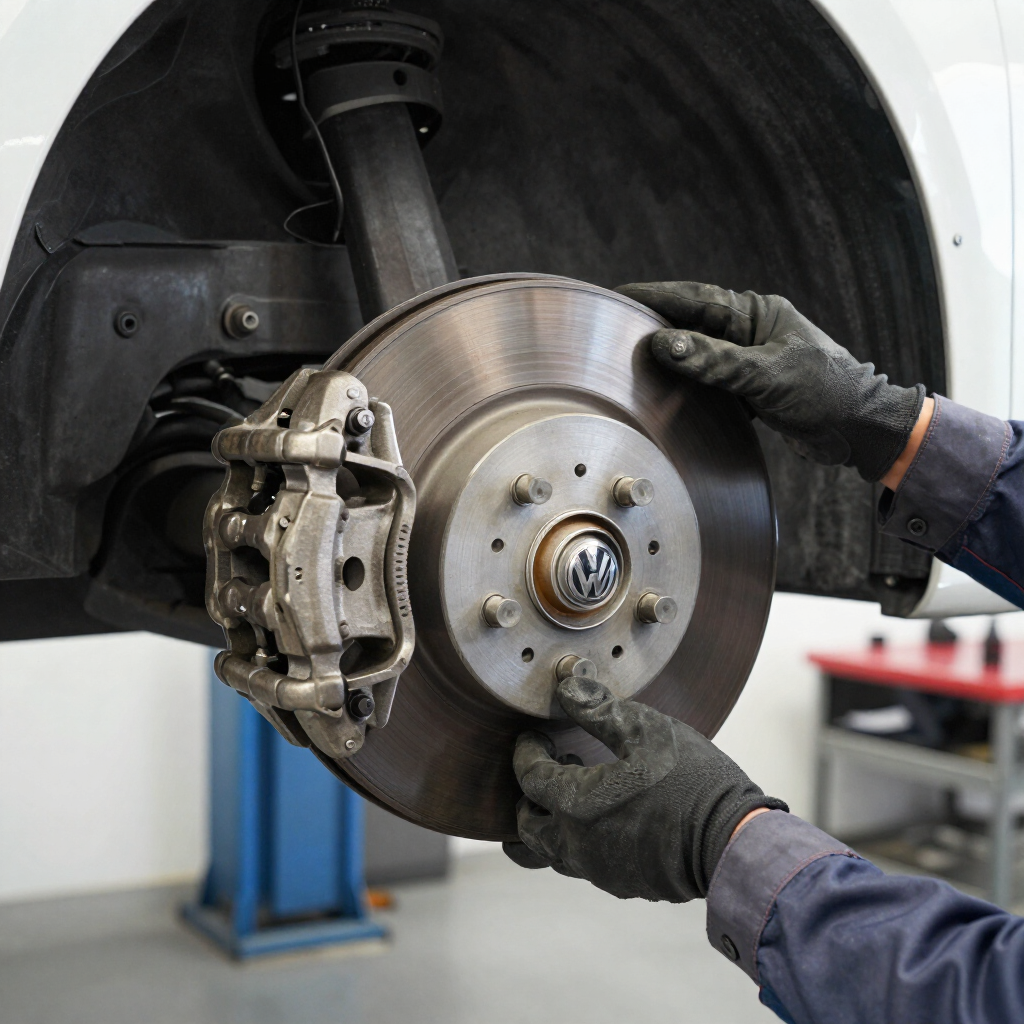
Grinding is a more serious brake noise. If your Volkswagen makes a grinding sound when you press the brake pedal, you should not keep putting it off. Grinding can mean the brake pads have worn down so far that metal is contacting metal. At that point, the brake rotors may be getting damaged. That can make the repair more expensive than it needed to be. If you catch brake pad wear early, you may only need pads or a more basic brake service. If you wait until the brakes grind, rotors and other components may need attention too.
Another common Volkswagen brake issue is vibration when braking. If your steering wheel shakes, your brake pedal pulses, or the vehicle feels like it is shuddering when you slow down, your rotors may be warped, uneven, or worn. This can be especially noticeable when braking at higher speeds or coming off the highway. A smooth stop should feel controlled and steady. If the vehicle shakes when you brake, something is off. It may be related to the rotors, pads, calipers, suspension, tires, or alignment, but it is worth having the braking system inspected so the real cause can be found.
A soft or spongy brake pedal is another sign Cincinnati Volkswagen drivers should take seriously. If the brake pedal feels different than normal, sinks too low, or requires more pressure to stop the vehicle, there may be an issue with brake fluid, air in the brake lines, worn components, or another hydraulic concern. Your brake pedal should feel consistent and predictable. Any major change in pedal feel should be checked because it directly affects your ability to stop safely.
Some Volkswagen models may also show brake-related warning lights. Depending on the vehicle, you may see a brake warning light, ABS light, traction control light, or another dashboard message. These lights can point to several different things, including low brake fluid, worn brake pads, wheel speed sensor issues, ABS concerns, or electronic parking brake problems. The important thing is not to guess. A warning light means the vehicle has detected something that needs attention. A proper diagnostic inspection can help identify whether the issue is simple, urgent, or part of a larger system concern.
Electronic parking brake issues can also happen on some Volkswagen models. If your parking brake does not engage, will not release, makes unusual noises, or triggers a warning message, it should be looked at by a shop familiar with VW systems. Modern braking systems are more advanced than they used to be, and electronic components can change how brake service and diagnostics need to be handled. This is one of the reasons it helps to bring your Volkswagen to a specialist rather than treating it like any other vehicle.
Uneven brake pad wear is another problem that can show up over time. If one pad wears faster than the others, there may be an issue with a caliper, slide pins, brake hardware, or another part of the system. Uneven wear can reduce braking performance and cause noise, vibration, or pulling. It can also mean that replacing pads alone may not fully solve the problem. A proper brake inspection should look at more than just pad thickness. It should check how the entire system is working together.
If your Volkswagen pulls to one side while braking, that is another sign something may not be working evenly. Pulling can come from brake issues, tire problems, alignment concerns, or suspension wear. Since all of these systems affect how the car feels on the road, it is important to inspect the vehicle instead of assuming the cause. A car that pulls when braking can feel unpredictable, especially in traffic, rain, or emergency stops. That is not something you want to ignore.
Brake dust is also common on many European vehicles, including Volkswagens. Some brake pad materials create more dust than others, and you may notice dark buildup on your wheels. Brake dust by itself does not always mean something is wrong, but heavy dust combined with noise, vibration, or poor brake feel is worth checking. If you are replacing brake pads, the type and quality of pads used can affect noise, dust, stopping performance, and how the vehicle feels.
It is also worth knowing that Volkswagen brake service should be done with the right parts and procedures. These vehicles are engineered to feel a certain way, and using low-quality parts or skipping important steps can lead to noise, vibration, faster wear, or poor brake performance. Good brake service is not just about swapping parts. It is about inspecting the pads, rotors, calipers, brake fluid, sensors, hardware, and related components so the repair actually solves the issue.
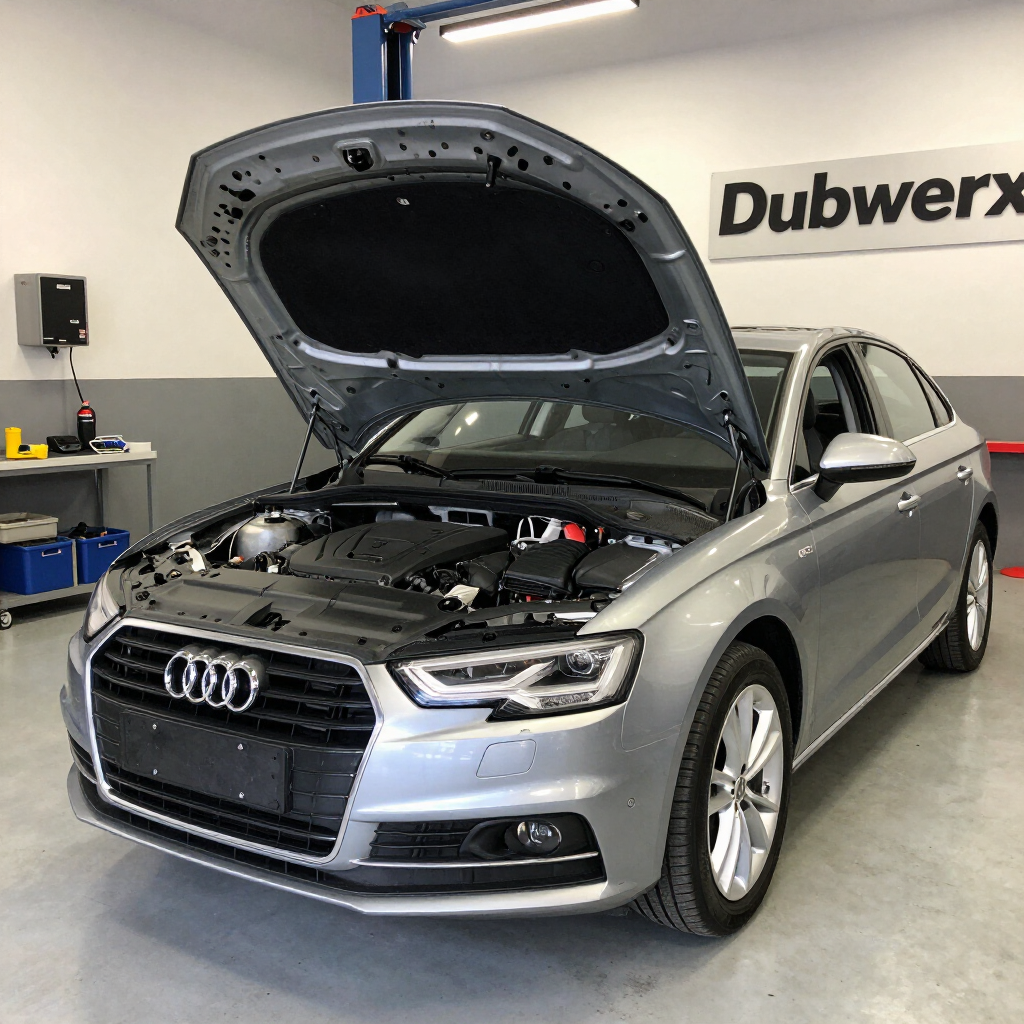
This is where Dubwerx can help. As a Cincinnati shop that focuses on Volkswagen, Audi, and European vehicle service, Dubwerx understands how these braking systems are designed and what common issues to look for. If your VW is squeaking, grinding, shaking, pulling, showing a warning light, or just not stopping the way it used to, the team can inspect the system and explain what is going on. You do not have to know whether the problem is the pads, rotors, calipers, sensors, or fluid before you schedule. You just need to know that something feels or sounds different.
One of the biggest benefits of a proper brake inspection is clarity. Sometimes the issue is simple. Sometimes it is more involved. Sometimes the brakes still have life left, but another part of the vehicle is causing the symptom. A clear inspection helps you avoid guessing and helps you make a smart decision. If the brakes need attention now, you will know why. If something can be monitored, you will know that too.
Cincinnati driving can be tough on brakes. Stop-and-go traffic, hills, wet roads, potholes, and daily commuting all add wear. If you drive your Volkswagen every day, your brakes are constantly working. Waiting until they are grinding or unsafe can turn a normal maintenance item into a bigger repair. Scheduling service early can help protect the rotors, maintain stopping power, and keep the car feeling smooth and controlled.
If you recently bought a used Volkswagen, it is also a good idea to have the brakes inspected even if there are no obvious symptoms. You may not know how the previous owner maintained the vehicle, what parts were used, or how much life is left in the pads and rotors. A brake inspection gives you a baseline and helps you plan ahead. That can be especially helpful if you want to keep the car reliable for years to come.
You should also schedule a brake check before a long trip, before winter weather, or anytime you notice a change in how the vehicle stops. Brakes are not something to wait on until they fail. They are something to maintain so your Volkswagen stays safe and predictable every time you drive.
If your Volkswagen is making brake noise, vibrating when you slow down, showing a warning light, or just not stopping as smoothly as it should, bring it to Dubwerx in Cincinnati. The team can inspect the brakes, explain what they find, and help you decide the right next step without making the process feel confusing. Your brakes are too important to leave to guesswork. A quick inspection now can help you avoid bigger repairs later and keep your VW driving the way it should.