Audi Maintenance Schedule: What Services Matter Most as Your Audi Ages
VIV Builder • June 1, 2026

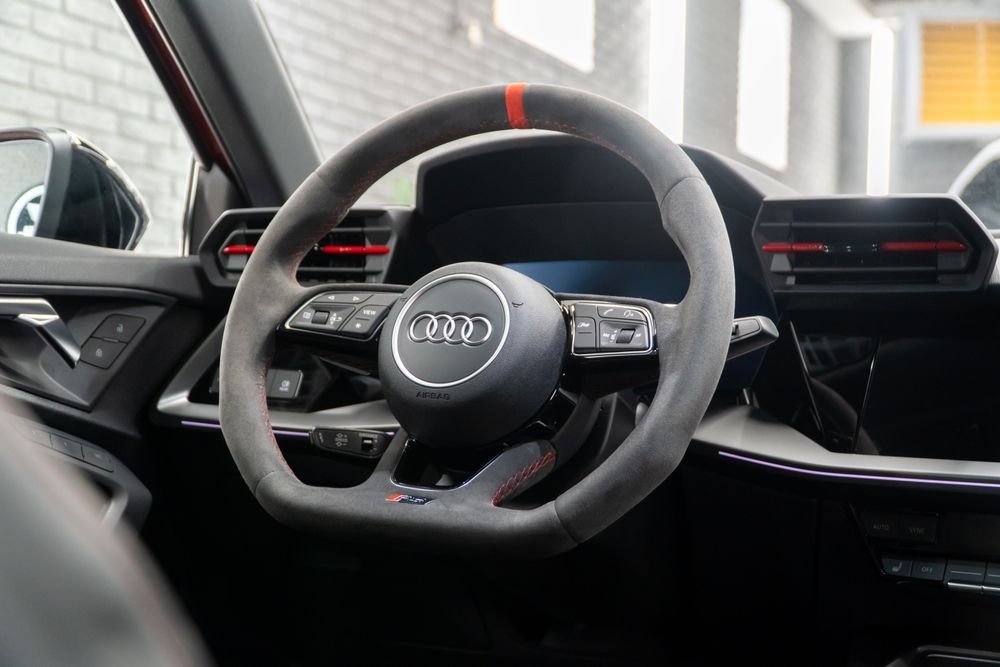
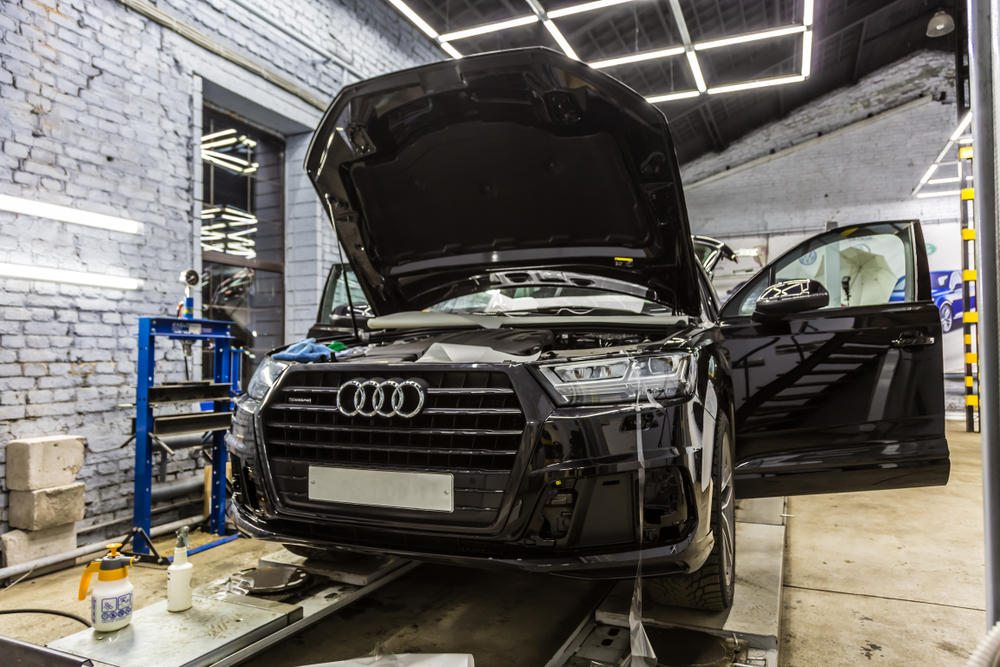
Owning an Audi is different from owning a basic commuter car. Audi vehicles are built to feel refined, responsive, and confident on the road, but that experience depends on staying ahead of maintenance. When an Audi is properly cared for, it can be a great vehicle to drive for years. When maintenance gets pushed off, small issues can turn into expensive repairs faster than many drivers expect. That is why understanding what services matter most as your Audi ages is so important. You do not need to know every technical detail, but you should have a general idea of what your vehicle needs, what warning signs to watch for, and when it makes sense to schedule service with a shop that understands Audi vehicles.

The first thing to understand is that Audi maintenance is not just about oil changes. Oil service is important, but it is only one piece of the bigger picture. Your Audi has systems that all work together, including the engine, transmission, brakes, tires, suspension, cooling system, electrical components, and advanced diagnostics. As the vehicle gets more mileage on it, each of those systems needs attention at different times. A good maintenance plan helps you avoid surprises and keeps the vehicle feeling the way an Audi should feel, smooth, controlled, and enjoyable to drive.

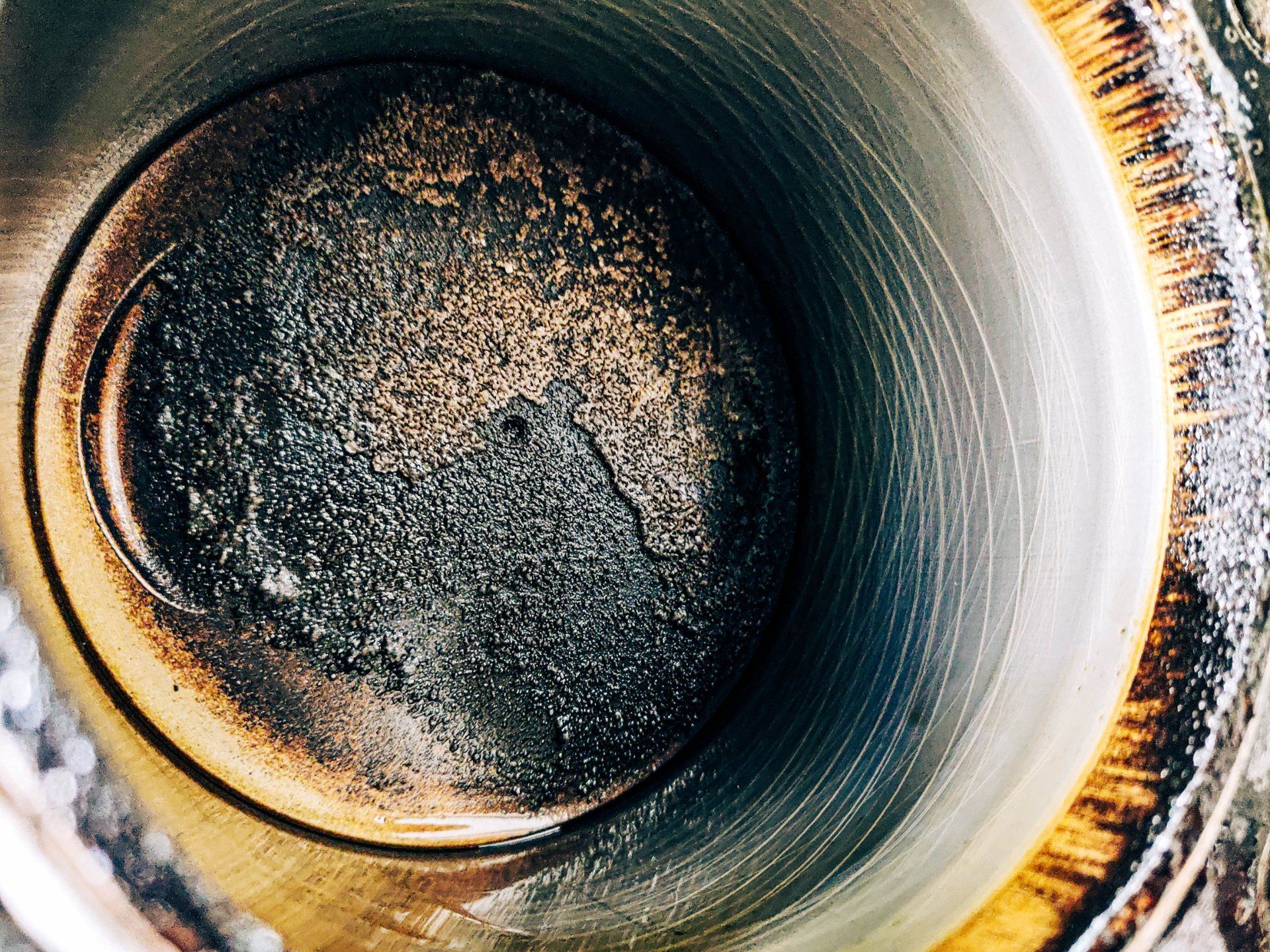
Oil changes are one of the most important services for any Audi. Many Audi engines are turbocharged, which means the oil has to work hard to lubricate and protect the engine under heat and pressure. Using the correct oil and filter matters. This is not the place to guess or use whatever is cheapest. The wrong oil can affect performance, wear, and long-term reliability. Even if your vehicle tells you when service is due, it is still smart to work with a shop that understands the right oil specifications for your model and driving habits. If you drive in stop-and-go traffic, take shorter trips, or put your vehicle through more demanding conditions, staying consistent with oil changes becomes even more important.

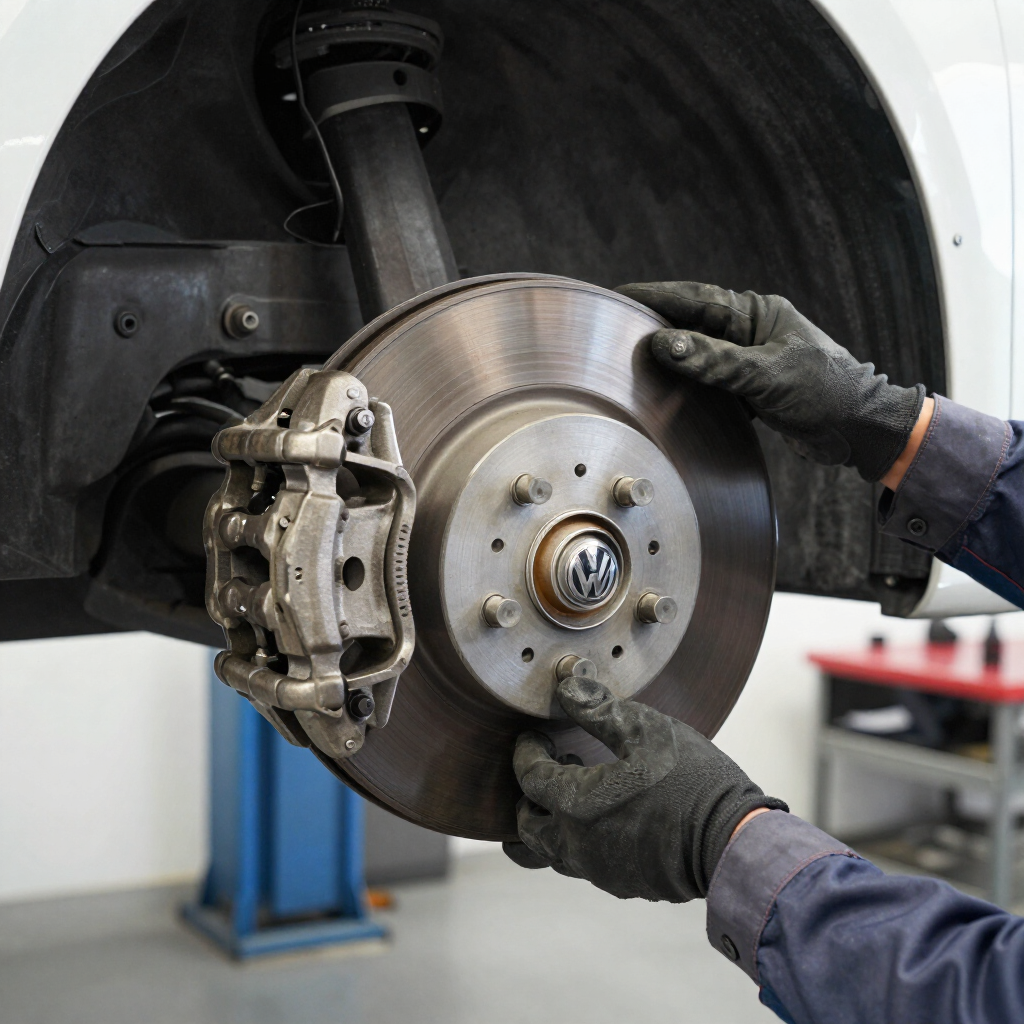
Brake inspections should also be part of your regular Audi maintenance routine. Audi vehicles are known for strong braking performance, but that performance comes from parts that wear down over time. Brake pads, rotors, sensors, calipers, and fluid all play a role in how the vehicle stops. If you hear squeaking, grinding, scraping, or feel vibration when braking, your brakes should be inspected. Even if everything feels normal, it is smart to check the brakes during routine service so you know how much life is left. Catching worn pads early can help protect the rotors and prevent a more expensive repair later.

Tires are another major part of Audi maintenance. Your tires affect handling, braking, ride comfort, fuel economy, and traction in wet weather. If your Audi has quattro all-wheel drive, tire condition becomes even more important because uneven tire wear can create drivability concerns and put extra stress on the system. Regular tire rotations, pressure checks, tread inspections, and alignments can help your tires last longer and keep the vehicle driving properly. If your Audi pulls to one side, vibrates at speed, wears tires unevenly, or does not feel as stable as it used to, it is time to have the tires, alignment, and suspension checked.

Suspension maintenance is easy to overlook because suspension wear often happens gradually. You may not notice the change right away. Over time, worn control arms, bushings, shocks, struts, mounts, or other suspension components can make your Audi feel loose, noisy, rough, or less precise. You may hear clunks over bumps, feel vibration, or notice uneven tire wear. Since Audi vehicles are designed to feel planted and controlled, suspension issues can take away from the driving experience. A routine inspection can help catch wear before it affects other parts of the vehicle.

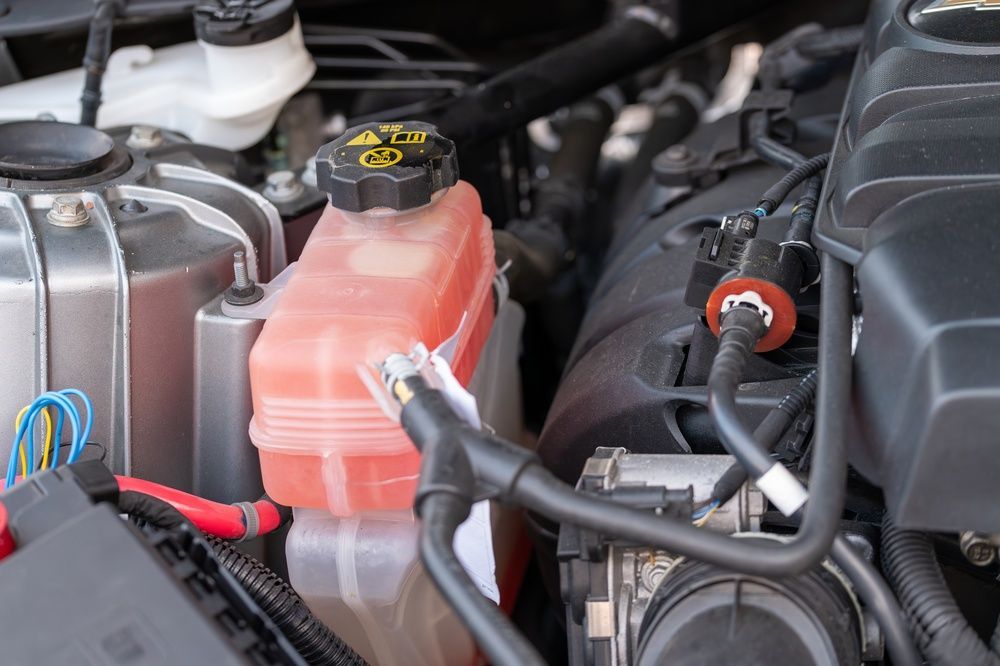
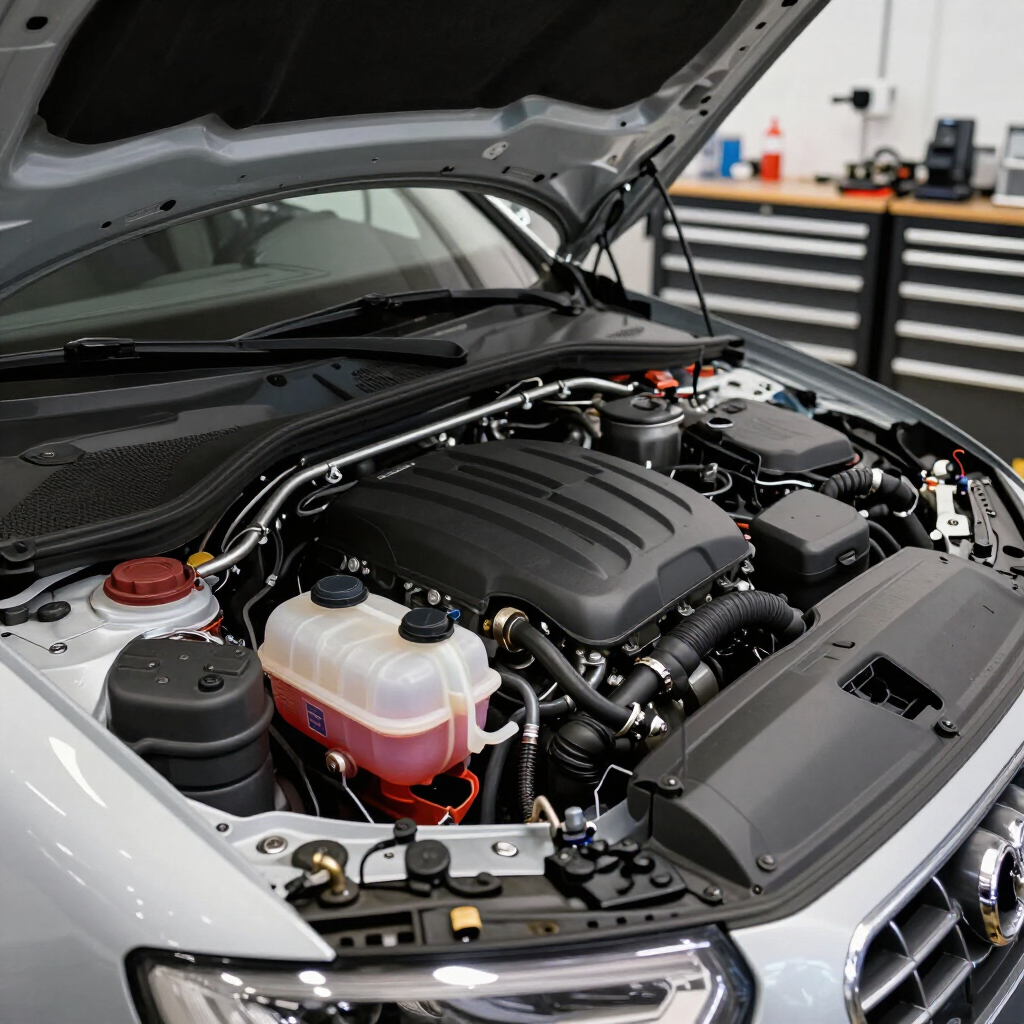
Cooling system service is another area Audi owners should not ignore. Your engine needs the cooling system to regulate temperature and prevent overheating. Hoses, coolant, water pumps, thermostats, reservoirs, and related components can wear or fail over time. A coolant leak may start small, but it can become a serious issue quickly if the engine overheats. If you notice a sweet smell, see coolant under the vehicle, get a temperature warning, or have to keep topping off coolant, schedule service right away. Cooling system problems are much easier to handle early than after the vehicle overheats.

Spark plugs and ignition components are also important, especially on turbocharged Audi engines. Worn spark plugs or failing ignition coils can cause rough running, misfires, poor fuel economy, reduced power, or a check engine light. Some drivers notice hesitation when accelerating or a shaky idle. Ignition issues can feel minor at first, but they can affect performance and potentially cause additional problems if ignored. If your Audi does not feel as smooth or responsive as it used to, diagnostics can help determine whether spark plugs, coils, or another system is the cause.

Transmission service should also be discussed as your Audi ages. Depending on the model, your Audi may have a different transmission type, and the service needs can vary. Some vehicles may require fluid service at certain intervals, while others may have specific procedures that should be followed carefully. If you notice rough shifting, hesitation, slipping, delayed engagement, or unusual noises, it is worth having the vehicle inspected. Transmission problems are not something you want to guess at, especially on a European vehicle. Proper maintenance and early diagnostics can help prevent bigger issues.

Brake fluid is another service that often gets overlooked. Brake fluid helps transfer pressure from the brake pedal to the braking components at the wheels. Over time, brake fluid can absorb moisture, which can affect braking performance and internal components. If the brake pedal feels soft, spongy, or different than normal, that should be inspected. Even without symptoms, brake fluid service is part of responsible long-term maintenance. It is one of those services that helps keep the system working properly behind the scenes.

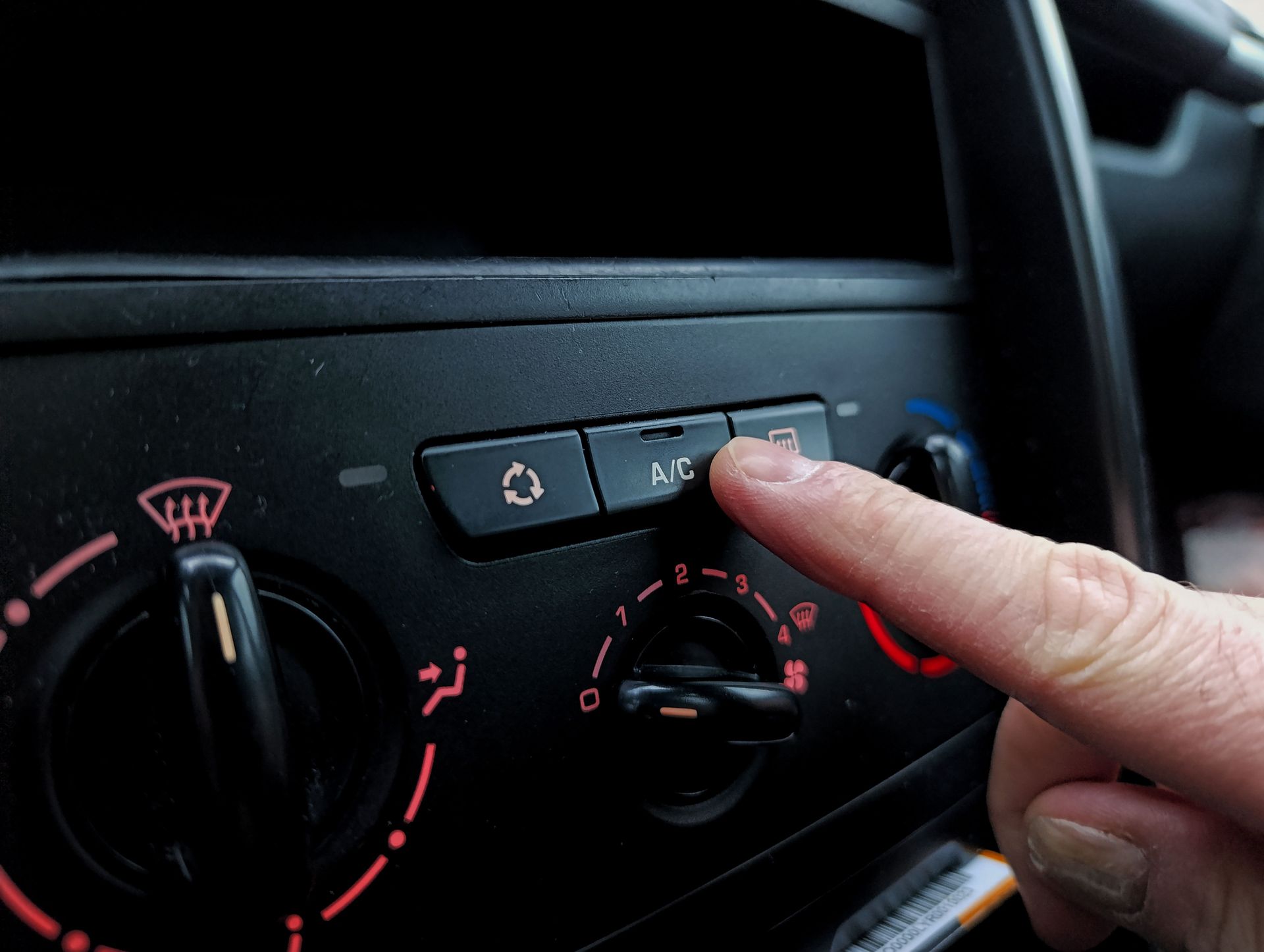
Cabin air filters and engine air filters are smaller maintenance items, but they still matter. A dirty engine air filter can affect airflow and performance. A dirty cabin air filter can affect air quality inside the vehicle and reduce HVAC performance. These are not the most dramatic services, but they are part of keeping the vehicle comfortable and efficient. If the air conditioning does not feel as strong, the cabin smells musty, or you are not sure when the filters were last replaced, it is worth checking them during routine service.

As your Audi gets older, fluid leaks become something to watch for. Oil leaks, coolant leaks, transmission fluid leaks, and other seepage can start small. You may notice spots under the car, burning smells, smoke, low fluid warnings, or simply a mess underneath during inspection. A small leak does not always mean a major repair, but it should be identified. Ignoring leaks can lead to low fluid levels, overheating, poor lubrication, or damage to nearby components. A shop familiar with Audi vehicles can help determine where the leak is coming from and how urgent it is.

The check engine light is another reason Audi owners should not delay service. A check engine light can come on for many reasons, including emissions components, oxygen sensors, ignition coils, spark plugs, EVAP issues, turbo-related concerns, fuel system problems, or sensor faults. The code is only the starting point. Good diagnostics means understanding what the code actually means, checking the related systems, and confirming the cause before replacing parts. This is where an Audi specialist can save you frustration. Guessing can get expensive quickly.

Mileage matters, but so does vehicle history. Two Audis with the same mileage may need very different service depending on how they were driven and maintained. A vehicle that has had consistent oil changes, brake service, fluid maintenance, and inspections may be in great shape. A vehicle with gaps in maintenance may need more attention. If you recently purchased a used Audi, it is a smart idea to schedule a full inspection so you know where things stand. That gives you a baseline and helps you plan for upcoming maintenance instead of being surprised by it.

A lot of Audi owners wait until something feels wrong before scheduling service, but preventive maintenance is usually the better approach. The goal is not to replace parts before they are needed. The goal is to inspect the vehicle regularly, catch wear early, and make informed decisions. Some services may need attention right away. Others can be monitored. Some can be planned around your budget and schedule. That is much easier than waiting until the car breaks down or a warning light turns into a bigger issue.

At Dubwerx in Cincinnati, Audi owners have a local option for maintenance, diagnostics, brakes, oil service, and European vehicle care. The team understands that Audi service requires more than a basic checklist. It requires the right knowledge, the right parts, the right tools, and clear communication. Whether your Audi is due for routine maintenance, showing a warning light, making noise, leaking fluid, or just not driving the way it used to, a proper inspection can help you understand what is going on.

One of the most helpful things about working with an Audi specialist is having someone explain what matters most. Not every recommendation is urgent. Not every issue means the vehicle is unsafe. But some things should not wait. A clear inspection helps separate what needs attention now from what can be planned later. That kind of communication makes Audi ownership easier and helps you feel more confident about the money you put into your vehicle.

If your Audi is approaching a maintenance interval, has not been inspected in a while, or is starting to feel different on the road, it may be time to schedule service with Dubwerx. You do not need to wait for a major warning sign. Routine maintenance is one of the best ways to protect performance, avoid surprise repairs, and keep your Audi feeling like the vehicle you enjoy driving.

As your Audi ages, the right maintenance becomes even more important. Oil changes, brake inspections, tires, alignments, suspension checks, cooling system service, spark plugs, fluids, filters, and diagnostics all play a role in keeping the vehicle dependable. If you are not sure what your Audi needs next, Dubwerx can help you figure it out. Schedule an appointment and get a clear look at where your vehicle stands, so you can stay ahead of problems and keep enjoying the drive.
By VIV Builder June 8, 2026
Learn why Porsche, BMW, MINI, Mercedes, Sprinter, Volkswagen, and Audi vehicles need specialized European service from Dubwerx in Cincinnati.
By VIV Builder June 5, 2026
Find out why your Volkswagen or Audi check engine light is on and how Dubwerx in Cincinnati diagnoses warning lights, misfires, sensors, and EPC issues.
By VIV Builder May 29, 2026
Learn common Volkswagen brake problems Cincinnati drivers should not ignore, including squeaking, grinding, vibration, warning lights, and soft brake pedals.
By VIV Builder May 25, 2026
See why Cincinnati Volkswagen and Audi owners choose Dubwerx over the dealership for expert service, diagnostics, brakes, oil changes, and maintenance.
May 18, 2026
Volkswagen vehicles are known for their balance of comfort, efficiency, handling, and personality. Whether you drive a Jetta, Passat, Tiguan, Atlas, Golf, GTI, Golf R, Taos, Beetle, or another VW model, regular maintenance plays a major role in how your vehicle performs over time. These vehicles are designed with specific service needs, and staying ahead of routine maintenance can help protect reliability, performance, safety, and long-term value. For many Volkswagen owners, the challenge is not knowing whether maintenance matters. Most drivers understand that their vehicle needs oil changes, brake inspections, tire care, and other routine services. The real challenge is knowing what matters most, when service should be done, and why working with a Volkswagen specialist can make a difference. VW vehicles are engineered differently than many other makes, so the right maintenance plan should match the vehicle, the mileage, the engine, and the way it is driven. At Dubwerx, we help Volkswagen owners in Cincinnati take care of their vehicles with service built around experience, communication, and a deep understanding of VW platforms. Routine maintenance should not feel confusing or stressful. It should help you understand the condition of your car, plan ahead, and make confident decisions before small issues turn into bigger repairs. Whether your Volkswagen is newer, aging, modified, daily driven, or something you plan to keep for years, regular maintenance is one of the best ways to protect it. Volkswagen Oil Changes Need the Right Oil Oil changes are one of the most important maintenance services for any Volkswagen. Your engine depends on clean oil to lubricate moving parts, manage heat, reduce friction, and help protect internal components. Over time, oil breaks down and becomes contaminated. If it is not changed on schedule, it can become less effective at protecting the engine. Volkswagen engines often require oil that meets specific VW standards. This is important because not every oil is the right fit, even if the viscosity looks similar. Using oil that does not meet the correct specification can affect engine protection, performance, and long-term reliability. Turbocharged engines, which are common in many Volkswagen models, can be especially sensitive to proper oil quality and service intervals. A proper Volkswagen oil service should include the correct oil, the correct filter, and an inspection of the vehicle. At Dubwerx, oil changes are treated as part of a larger maintenance strategy. They are not just a quick fluid change. They are an opportunity to check for leaks, inspect visible components, review wear items, and help you understand what your vehicle may need next. Brake Maintenance Helps Protect Safety and Performance Volkswagen vehicles are built to feel confident on the road, and the braking system is a major part of that driving experience. Whether you are commuting through Cincinnati, driving on hills, sitting in traffic, or enjoying a more spirited drive, your brakes need to respond consistently. Brake pads, rotors, calipers, fluid, and hardware all wear over time, which means regular inspections are important. Many drivers wait until they hear squeaking, grinding, or feel vibration before scheduling brake service. While those symptoms should never be ignored, it is better to catch brake wear before it becomes urgent. Worn pads can damage rotors. Sticking calipers can create uneven wear. Old brake fluid can affect braking feel. Small issues can become larger repairs when they are not addressed early. Volkswagen brake service should be handled with the right parts and an understanding of the vehicle’s braking system. The goal is not only to stop the noise or replace a worn part. The goal is to restore proper braking performance, maintain safety, and keep the vehicle feeling the way it should. Tire Care and Alignment Matter More Than Many Drivers Realize Tires and alignment have a direct impact on how your Volkswagen drives. If the alignment is off, the car may pull to one side, the steering wheel may sit crooked, or the tires may wear unevenly. If the tires are worn, underinflated, out of balance, or damaged, the vehicle may feel rough, noisy, unstable, or less responsive. Cincinnati roads can be tough on tires and alignment. Potholes, uneven pavement, curbs, road construction, weather changes, and daily driving can all affect the way your vehicle feels. Even a small alignment issue can shorten tire life and change handling. Since Volkswagen vehicles are often appreciated for their road feel, tire and alignment issues can be especially noticeable. Routine tire rotations, pressure checks, tread inspections, balancing, and alignment checks can help protect your tires and improve the driving experience. If your Volkswagen does not feel as smooth, centered, or predictable as it used to, it may be time to have the tires, wheels, steering, and suspension inspected. Fluid Services Help Protect Major Systems Your Volkswagen uses several fluids to protect important systems. Engine oil, coolant, brake fluid, transmission fluid, power steering fluid in applicable models, and other fluids all serve specific purposes. These fluids do not last forever. Over time, they can become contaminated, lose effectiveness, or drop below proper levels if there is a leak. Coolant is especially important because it helps regulate engine temperature. Volkswagen cooling systems should be inspected for leaks, worn hoses, water pump concerns, thermostat issues, and proper coolant condition. Overheating can lead to serious engine damage, so cooling system maintenance should never be ignored. Brake fluid also matters because it supports hydraulic braking performance. As brake fluid ages, it can absorb moisture and become less effective. Transmission service may also be needed depending on the model, mileage, and transmission type. A Volkswagen specialist can help determine which fluid services are due and which should be planned based on your vehicle’s specific needs. Warning Lights Should Be Diagnosed Properly A warning light on your dashboard should not be ignored, but it also should not be treated with guesswork. A check engine light, EPC light, ABS light, coolant warning, oil pressure warning, airbag light, or other alert means the vehicle has detected an issue. The light can point technicians in the right direction, but it does not always confirm the exact repair by itself. A basic code scan may show where to begin, but proper diagnostics are needed to understand what is actually causing the issue. This is especially true with Volkswagen vehicles because different systems can overlap. A drivability problem may involve sensors, ignition components, fuel delivery, boost pressure, emissions systems, wiring, or other areas. Replacing parts without confirming the cause can lead to wasted money and continued problems. At Dubwerx, diagnostics are part of helping Volkswagen owners get clear answers. The goal is to identify the root cause, explain what was found, and recommend the right repair. That kind of process helps reduce frustration and gives drivers more confidence in the work being performed. Timing Components Should Not Be Overlooked Some Volkswagen engines use timing belts, while others use timing chains. Either way, timing components are critical because they keep the engine’s internal movement synchronized. If a timing belt or related component fails, the result can be serious engine damage. Timing chain issues can also create performance problems, warning lights, noise, or more involved repairs if not addressed properly. The timing service needs for your Volkswagen depend on the specific engine and mileage. Some models have well-known service intervals for timing belt replacement. Others may need inspection or diagnosis if there are symptoms related to the timing chain system. This is one of the areas where working with a Volkswagen specialist is especially helpful because model and engine knowledge matters. If you are unsure whether your Volkswagen has a timing belt or timing chain, or whether it is due for service, Dubwerx can help review your vehicle and service history. Timing-related maintenance is not something to leave to chance. Suspension Maintenance Keeps the Car Feeling Right Volkswagen vehicles are often appreciated for their comfortable but controlled ride. When suspension components begin to wear, the vehicle may not feel as tight, smooth, or stable as it once did. You may notice clunking, bouncing, uneven tire wear, pulling, vibration, or a rougher ride over bumps. Suspension systems include parts such as shocks, struts, control arms, bushings, ball joints, sway bar links, and related components. These parts experience constant movement and stress, especially on rough roads. Over time, they wear down and affect ride quality, handling, and tire wear. A suspension inspection can help determine whether a noise or handling concern is related to worn components. Addressing suspension issues can make your Volkswagen feel more stable and enjoyable to drive while also helping protect your tires and alignment. Maintenance Is Important for Turbocharged Engines Many modern Volkswagen models use turbocharged engines. These engines can deliver strong performance and efficiency, but they also need proper care. Oil quality, oil change intervals, cooling system condition, intake components, boost control, and overall maintenance all matter when caring for a turbocharged vehicle. Turbocharged engines operate under heat and pressure, so neglecting maintenance can create larger concerns over time. Delayed oil changes, poor-quality oil, leaks, worn ignition components, or unresolved warning lights can all affect how the engine performs. If the vehicle feels down on power, hesitates, misfires, smokes, or triggers a warning light, it should be inspected by a technician familiar with VW turbo systems. A Volkswagen specialist can help maintain turbocharged engines properly and identify potential issues before they become more expensive. For owners who enjoy the way their VW drives, staying ahead of maintenance helps preserve that performance. Maintenance Records Help Protect Long-Term Value Keeping up with maintenance is not only good for reliability. It can also help protect the value of your Volkswagen. Service history matters, especially if you plan to sell, trade, or keep the vehicle for the long term. A well-documented maintenance record shows that the vehicle has been cared for properly. For higher-mileage Volkswagen vehicles, service history becomes even more important. Knowing when oil changes were completed, when brakes were serviced, whether fluid services were done, and whether major maintenance items were handled can help guide future repairs. Without that history, it can be harder to know what the vehicle needs. Working with the same trusted shop over time can make this easier. Dubwerx can help track service needs, monitor wear, and build a clearer picture of your Volkswagen’s condition over time. That helps you make smarter decisions and avoid treating each visit like a mystery. A Volkswagen Specialist Can Help You Plan Ahead Routine maintenance works best when it is proactive. Instead of waiting for something to break, a specialist can help you understand what is coming up based on mileage, age, condition, and known service needs. This is especially valuable for Volkswagen owners because maintenance requirements can vary by model and engine. Planning ahead can help you avoid surprise repairs and budget more effectively. If your brakes are getting close, your tires are wearing unevenly, your battery is weak, or a fluid service is due soon, it is better to know early. That gives you time to make decisions instead of being forced into an urgent repair. At Dubwerx, we want Volkswagen owners to feel informed. A good maintenance visit should help you understand what needs attention now, what can wait, and what should be watched. That kind of communication makes ownership easier. Schedule Volkswagen Maintenance With Dubwerx Your Volkswagen was built with specific service needs, and it deserves maintenance from a shop that understands those details. Routine maintenance helps protect performance, reliability, safety, and long-term value. From oil changes and brakes to diagnostics, fluids, tires, suspension, timing components, and inspections, staying ahead of service is one of the best ways to take care of your VW. Dubwerx provides Volkswagen service and repair for drivers in Cincinnati and the surrounding area. Whether your vehicle is due for maintenance, showing a warning light, making a noise, or simply not driving the way it should, our team can help inspect it, explain what we find, and recommend the right next step.  Schedule your Volkswagen maintenance with Dubwerx today and keep your VW running the way it was built to drive.
May 18, 2026
The body content of your post goes here. To edit this text, click on it and delete this default text and start typing your own or paste your own from a different source.
March 18, 2026
If you drive a BMW, Audi, or Mercedes in Cincinnati, you already know these vehicles are built for performance and precision. What many drivers do not realize is that each of these brands tends to develop certain patterns over time. Knowing what to watch for can help you catch issues early and avoid larger repairs. At Dubwerx, we handle European auto repair in Cincinnati every day, and we see the same concerns come through the shop consistently. The key is recognizing the early signs before they turn into something more serious. BMW owners often deal with oil leaks and cooling system issues as their vehicles age. You might notice a light burning smell, small spots where you park, or your engine running warmer than usual. These are early indicators that something needs attention. If you have been searching for BMW repair in Cincinnati, this is one of the most common starting points. Addressing these issues early helps protect the engine and keeps performance consistent. Audi vehicles are known for strong performance, but they can develop timing and electrical concerns over time. Drivers may notice rough starts, hesitation, or warning lights that seem inconsistent. Electrical systems in these vehicles are advanced, which means even small faults can create noticeable symptoms. If you are looking for Audi service in Cincinnati, catching these issues early can prevent more involved repairs down the road. Mercedes vehicles are built for a smooth and refined driving experience, so changes tend to stand out quickly. Suspension wear is something we see often, especially with daily driving around Cincinnati. If your ride feels less stable or you notice uneven handling, it may be time to have it checked. Transmission performance can also shift over time, showing up as delayed or rough gear changes. Drivers searching for Mercedes repair in Cincinnati usually come in after noticing these changes in how the car feels. Across all three brands, there are a few universal signs that should never be ignored. Warning lights are one of them. Even if the vehicle still drives normally, those alerts are tied to systems designed to catch problems early. Strange noises are another sign. Whether it is a ticking sound, a rattle, or something that only happens under acceleration, it is worth having it looked at. A drop in fuel efficiency is also a common indicator that something is not running as it should. Fluid leaks are another area where early action matters. Oil, coolant, and transmission fluid all play a critical role in how your vehicle performs. If you notice any kind of leak, it is a good time to schedule service. Many drivers searching for European auto repair near Cincinnati come in after spotting something in their driveway that did not used to be there. One of the biggest advantages you have as a driver is familiarity with your vehicle. You know how it should feel when everything is right. When something changes, even slightly, it is usually worth paying attention to. European vehicles are designed with precision, so small differences often point to early stage issues. Working with a shop that specializes in European auto repair in Cincinnati makes a big difference in how these problems are handled. At Dubwerx, we focus on BMW, Audi, and Mercedes vehicles, which allows us to identify patterns quickly and recommend the right solution without unnecessary guesswork. If your vehicle has been showing any of these signs or just does not feel the way it used to, it is a good time to have it checked. Catching problems early helps protect your investment and keeps your car performing the way it should.  If you are searching for BMW repair, Audi service, or Mercedes repair in Cincinnati, Dubwerx is here to help. Schedule an inspection with our team and stay ahead of issues before they turn into bigger repairs.
March 18, 2026
If you drive a BMW, Audi, or Mercedes in Cincinnati, you have likely faced the decision of where to take your vehicle for service. Most drivers default to the dealership at first, especially when the car is newer. Over time, many start exploring other options and realize there is another path that often makes more sense. At Dubwerx, we talk to drivers every day who are weighing the difference between a dealership and an independent European auto shop in Cincinnati. The reality is both options can service your vehicle, but the experience, cost, and overall value can be very different. One of the first things people notice is cost. Dealerships typically have higher overhead, which gets passed down into labor rates and service pricing. That does not always mean better work, it just means you are paying for the brand and the structure behind it. Many drivers searching for BMW repair in Cincinnati or Audi service near them are surprised to learn they can get the same level of service without the dealership pricing. Another big factor is how your vehicle is handled. At a dealership, technicians often work within a high volume environment. Cars move through quickly, and the process can feel less personal. At an independent European auto repair shop in Cincinnati like Dubwerx, the focus is more on accuracy and long term results. We take the time to understand what is happening with your vehicle instead of just checking boxes. There is also a misconception that dealerships have access to better tools or parts. In reality, independent European specialists use the same diagnostic equipment and have access to OEM parts. The difference is how those tools are used. When you bring your vehicle to a shop that focuses specifically on BMW, Audi, and Mercedes service in Cincinnati, you are working with technicians who deal with these systems every single day. Turnaround time is another area where drivers see a difference. Dealerships can take longer due to volume and scheduling. If you rely on your vehicle daily, waiting longer than necessary can be frustrating. Independent shops are often able to diagnose and repair issues more efficiently, helping you get back on the road sooner. Communication also plays a big role in the experience. Many drivers feel like they are just another number at a dealership. Questions can go unanswered, and explanations can feel rushed. At Dubwerx, we focus on clear communication so you understand exactly what your vehicle needs and why. If you are looking for European auto repair near Cincinnati, having that level of transparency can make a big difference. Warranty concerns are something that come up often. Some drivers believe they have to go to the dealership to maintain their warranty, but that is not the case. As long as your vehicle is serviced properly and documented, you can choose where to have the work done. This opens the door for drivers to choose a shop that offers better service and value without giving anything up. Over time, many Cincinnati drivers transition away from the dealership once they find a shop they trust. It becomes less about where the car was purchased and more about who is taking care of it moving forward. European vehicles are an investment, and choosing the right shop helps protect that investment. If you have been searching for BMW repair, Audi service, or Mercedes repair in Cincinnati and are unsure where to go, it is worth exploring your options. Dealerships are not the only choice, and for many drivers, they are not the best long term fit.  At Dubwerx, we specialize in European auto repair in Cincinnati and focus on delivering dealership level service with a more personalized approach. If you are ready for a different experience, schedule your next service with our team and see the difference for yourself.
March 18, 2026
If you drive a BMW, Audi, or Mercedes in Cincinnati, you already understand the difference in how these vehicles feel on the road. They are smoother, more responsive, and built with a level of precision that stands out. What often gets overlooked is what it takes to keep them performing that way over time. At Dubwerx, we see it all the time. Two vehicles can be the same make and model, driven in similar conditions around Cincinnati, but one runs flawlessly while the other starts having issues. The difference usually comes down to consistent maintenance. European vehicles are not built like domestic cars. They rely on tighter engineering, more advanced systems, and specific service intervals. That means routine service is not just recommended, it is essential. If you have been searching for BMW maintenance in Cincinnati or Audi service near you, it is likely because you are starting to notice the importance of staying ahead of issues. Oil changes are one of the most important services, but not all oil changes are the same. BMW, Audi, and Mercedes vehicles require specific oil types and intervals based on how the engine is designed. Waiting too long or using the wrong oil can lead to buildup, reduced performance, and long term engine wear. We regularly see vehicles come in for European auto repair in Cincinnati where a simple oil service could have prevented much larger problems. Cooling systems are another area where maintenance plays a big role. European engines tend to run hotter, and they rely heavily on properly functioning cooling components. Coolant flushes, hose inspections, and thermostat checks help prevent overheating. When these systems are ignored, it can quickly turn into one of the more expensive repairs a driver can face. Brakes and suspension also require consistent attention. Cincinnati roads, weather changes, and daily driving all put stress on these systems. BMW, Audi, and Mercedes vehicles are designed for precise handling, so worn brake components or suspension parts can change how the car feels almost immediately. If you have noticed your vehicle does not feel as stable or smooth, it may be time to look into European car service in Cincinnati. Another key piece of maintenance is staying on top of filters and airflow systems. Air filters, cabin filters, and fuel filters all play a role in how your car performs and how efficient it is. When these components get clogged or worn, your vehicle has to work harder, which can impact both performance and fuel economy. This is something we check often for drivers looking for Audi repair or Mercedes service in Cincinnati. Spark plugs and ignition components are also critical. These parts help your engine run smoothly and efficiently. Over time, they wear down, which can lead to misfires, rough idling, or a noticeable drop in performance. Replacing them at the right time helps keep your engine running the way it was designed. One thing many drivers do not realize is how much preventative maintenance helps reduce overall cost. It might seem easier to wait until something goes wrong, but European vehicles are not built to be reactive. Small services done at the right time help avoid larger repairs that can take your car off the road for longer periods. Working with a shop that understands European vehicles makes a big difference. At Dubwerx, we focus on BMW, Audi, and Mercedes service in Cincinnati, which means we know what to look for before issues become obvious. We follow manufacturer recommendations and tailor service based on how you actually drive your vehicle. If you have been putting off routine service or are unsure what your vehicle needs next, this is the time to get ahead of it. Staying consistent with maintenance keeps your car reliable, protects its performance, and helps you avoid unexpected repairs.  If you are searching for European auto repair in Cincinnati or need BMW, Audi, or Mercedes maintenance, Dubwerx is ready to help. Schedule your next service and keep your vehicle running the way it should every time you drive it.
March 18, 2026
If you are driving a BMW, Audi, or Mercedes around Cincinnati, you expect a certain level of performance every time you get behind the wheel. These cars are built to be smooth, responsive, and consistent. When something starts to feel off, even slightly, it usually means your vehicle is trying to tell you something early. At Dubwerx, we work on European auto repair in Cincinnati every day, and the biggest difference we see between minor fixes and major repairs comes down to timing. The sooner you catch an issue, the easier it is to correct and the less it tends to cost. One of the first things drivers notice is a change in how the car drives. Maybe your BMW does not feel as quick when accelerating, or your Audi hesitates when shifting. Sometimes it is subtle, but European vehicles are designed to perform at a high level, so even small changes matter. If you have been searching for BMW repair in Cincinnati or Audi service near you, this is often what brings people in. These symptoms can point to ignition issues, fuel delivery problems, or even early transmission concerns. You might also notice new sounds that were not there before. A light ticking, a squeal when you start the car, or a deeper rumble under acceleration can all signal that something needs attention. Mercedes models in particular are known for running quietly when everything is right, so any new noise stands out quickly. If you are looking for Mercedes repair in Cincinnati, unusual sounds are one of the most common reasons drivers schedule a visit. Warning lights are another area that gets overlooked. It is easy to assume a light is not urgent if the car still feels fine, but European vehicles rely heavily on sensors and onboard systems. A check engine light, oil warning, or cooling system alert is your car’s way of catching something early. Ignoring it can turn a manageable issue into something much more involved. When drivers search for European auto repair near Cincinnati, it is often after a warning light has been on longer than it should be. Fluid leaks are another sign that should not be ignored. If you notice spots in your driveway or garage, that could be oil, coolant, or transmission fluid. European engines run at higher performance levels, which means proper fluid levels are critical. A small leak today can lead to overheating or internal damage if left alone. This is something we regularly address for BMW, Audi, and Mercedes service in Cincinnati. Another thing to pay attention to is how your car feels when braking or turning. If the steering feels loose, the brakes feel softer than usual, or the car pulls slightly to one side, there is usually an underlying issue. Suspension and brake systems on European vehicles are designed for precision, so any change is worth checking out. Drivers searching for European car repair in Cincinnati often mention these exact symptoms when they come in. Even something as simple as a drop in fuel efficiency can be a sign. If you find yourself filling up more often without changing your driving habits, your vehicle may not be running as efficiently as it should. This can be tied to engine performance, sensors, or airflow issues. It is another early indicator that something is not quite right. What makes all of this important is how quickly small issues can grow. European vehicles are engineered with tight tolerances, and when one component is off, it can affect other systems. That is why working with a shop that specializes in European auto repair in Cincinnati matters. At Dubwerx, we focus specifically on BMW, Audi, and Mercedes vehicles, which allows us to diagnose problems accurately and fix them the right way. If your car feels different, sounds different, or is showing any kind of warning, it is worth having it looked at sooner rather than later. The goal is not just to fix what is wrong today, but to keep your vehicle performing the way it should long term.  If you have been searching for BMW repair, Audi service, or Mercedes repair in Cincinnati, Dubwerx is here to help. Schedule a service with our team and get ahead of the issue before it turns into something bigger.