Audi Maintenance Schedule: What Services Matter Most as Your Audi Ages
Audi vehicles are designed to feel refined, powerful, and confident. From the A3, A4, A5, A6, A7, and A8 to the Q3, Q5, Q7, Q8, S models, RS models, and e-tron lineup, Audi combines performance, comfort, technology, and all-weather capability in a way that stands out.
That level of engineering also means maintenance matters. As your Audi ages, the right service schedule can help protect performance, reliability, safety, and long-term value.
At Dubwerx in Cincinnati, we specialize in Audi, Volkswagen, and Porsche service. We understand that Audi vehicles require more than basic maintenance. They need accurate diagnostics, proper fluids, brand-specific knowledge, and a repair process built around how these vehicles are engineered.
Why Audi Maintenance Should Be Proactive
Audi vehicles use advanced engine management systems, complex electronics, turbocharged engines on many models, quattro all-wheel drive on many vehicles, and high-performance braking and suspension systems. These systems are built to work together, which means small issues can affect multiple areas of the vehicle.
Proactive maintenance helps catch wear before it turns into a breakdown. It also gives you a better understanding of what your Audi needs now and what may be coming up based on mileage, age, and condition.
Oil Service Is Critical for Audi Engines
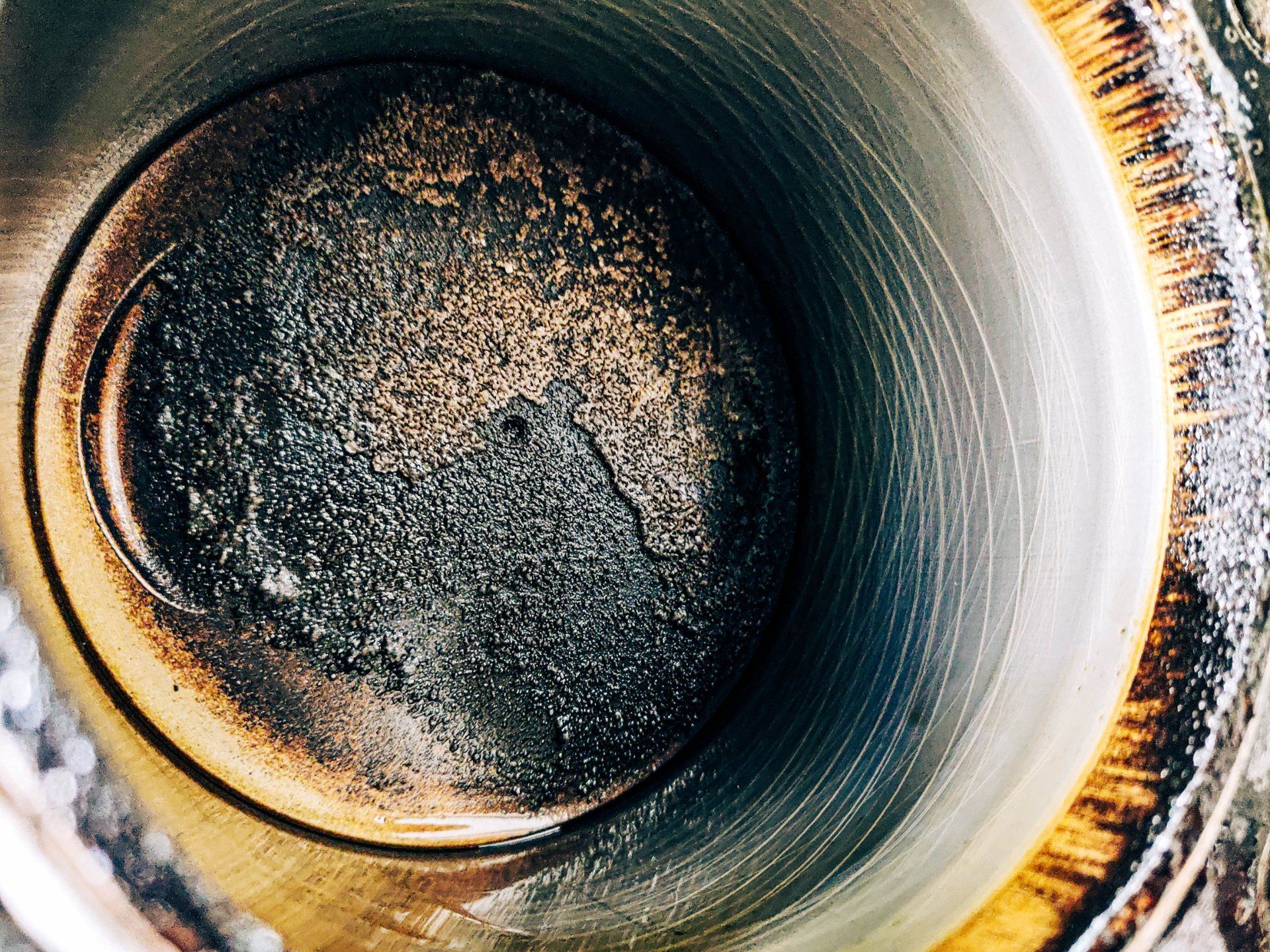
Regular oil changes are essential for Audi engines, especially turbocharged models. Engine oil protects internal components, supports turbocharger health, helps manage heat, and keeps the engine operating smoothly.
Using the correct Audi-approved oil is important. The wrong oil can affect performance and long-term engine protection. Stretching oil changes too far can also lead to sludge, wear, or timing-related concerns on certain engines.
If you drive short distances, sit in Cincinnati traffic, or use your Audi for daily commuting, keeping up with oil service is one of the smartest things you can do.
Brakes Should Be Inspected Regularly
Audi vehicles are known for strong braking performance, but brake components wear over time. Pads, rotors, sensors, calipers, and brake fluid all matter.
Common warning signs include squealing, grinding, vibration, longer stopping distance, brake warning lights, or a soft pedal. On performance Audi models, brake wear can happen faster depending on driving habits.
Regular brake inspections help identify issues early. Replacing worn pads before they damage rotors can help avoid a more expensive repair.
Tires and Alignment Affect quattro Performance
Many Audi vehicles are equipped with quattro all-wheel drive. For quattro to perform properly, tires need to be in good condition and wear evenly.
Mismatched tires, uneven tread depth, poor alignment, or worn suspension parts can affect handling and drivetrain performance. This is especially important in Cincinnati, where potholes, rain, snow, hills, and uneven roads can all put stress on tires and suspension.
Routine tire rotations, pressure checks, tread inspections, and alignment checks help keep your Audi driving smoothly and safely.
Fluid Services Help Protect Major Systems
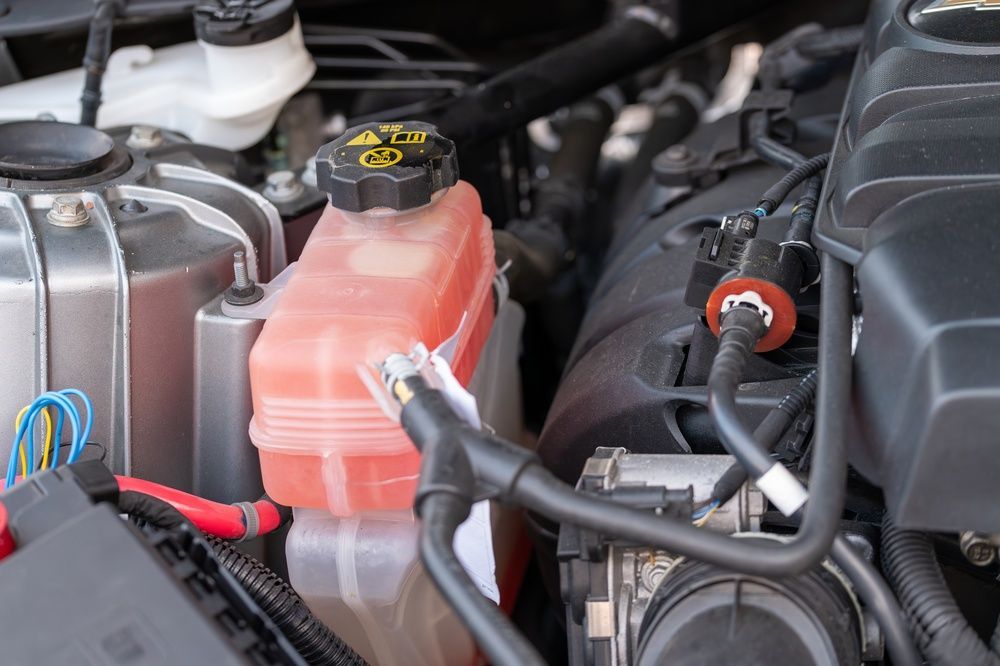
Your Audi depends on more than engine oil. Coolant, brake fluid, transmission fluid, differential fluid, and other fluids all support critical systems.
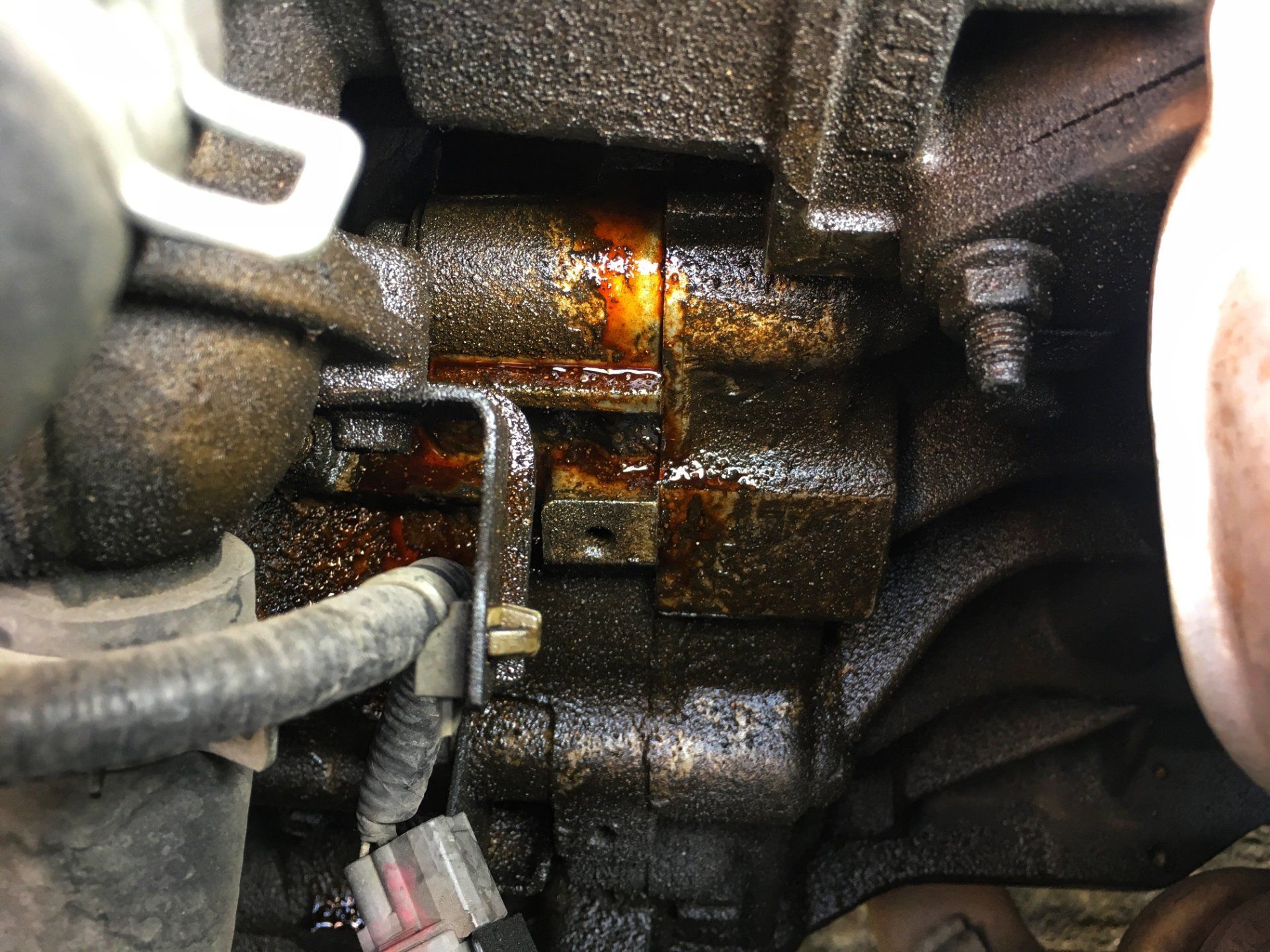
Over time, fluids can break down, become contaminated, or leak. Old brake fluid can affect braking performance. Coolant issues can cause overheating. Transmission or drivetrain fluid concerns can lead to shifting or drivability problems.
Following the right maintenance schedule helps protect these systems and can reduce the risk of major repairs.
Warning Lights Should Be Diagnosed Correctly
Audi warning lights can point to a wide range of issues, from simple sensor faults to more complex engine, emissions, electrical, or drivetrain problems.
A check engine light, EPC light, oil warning, coolant warning, brake warning, ABS light, or suspension warning should not be ignored. Even if the vehicle seems to drive normally, the system has detected something that needs attention.
A code scan can give a starting point, but it does not always reveal the full problem. Proper diagnostics help identify the cause instead of guessing.
Suspension and Steering Wear Changes the Way an Audi Feels
Audi vehicles are built to feel stable, precise, and composed. When suspension components wear, that feeling can start to fade.
Signs of suspension or steering issues include clunking over bumps, vibration, uneven tire wear, pulling, loose steering, or a rougher ride than normal. These concerns should be inspected before they create additional tire wear or handling problems.
Because Audi vehicles often have more advanced suspension designs than basic commuter cars, it helps to work with a shop that understands the platform.
Battery and Electrical Health Are Important
Modern Audis rely heavily on electronics. A weak battery or charging issue can create unusual symptoms, warning lights, starting problems, or system errors.
Cincinnati temperature swings can be hard on batteries. If your Audi is slow to start, shows electrical warnings, or has an older battery, testing the battery and charging system is a smart step.
Maintenance Records Help Protect Value
Audi vehicles are investments. Keeping detailed maintenance records helps protect that investment. It shows that the vehicle has been properly serviced and gives future buyers or trade-in evaluators more confidence.
More importantly, records help you plan. You can track what has been done, what is due next, and what should be monitored.
Schedule Audi Service in Cincinnati
If your Audi is due for maintenance, showing a warning light, making noise, leaking fluid, or not performing like it should, Dubwerx is here to help.
We specialize in Audi, Volkswagen, and Porsche vehicles, giving Cincinnati drivers an independent option for expert European service. Schedule your Audi maintenance today and keep your vehicle performing the way it was designed to.