Why Your Volkswagen or Audi Check Engine Light Is On
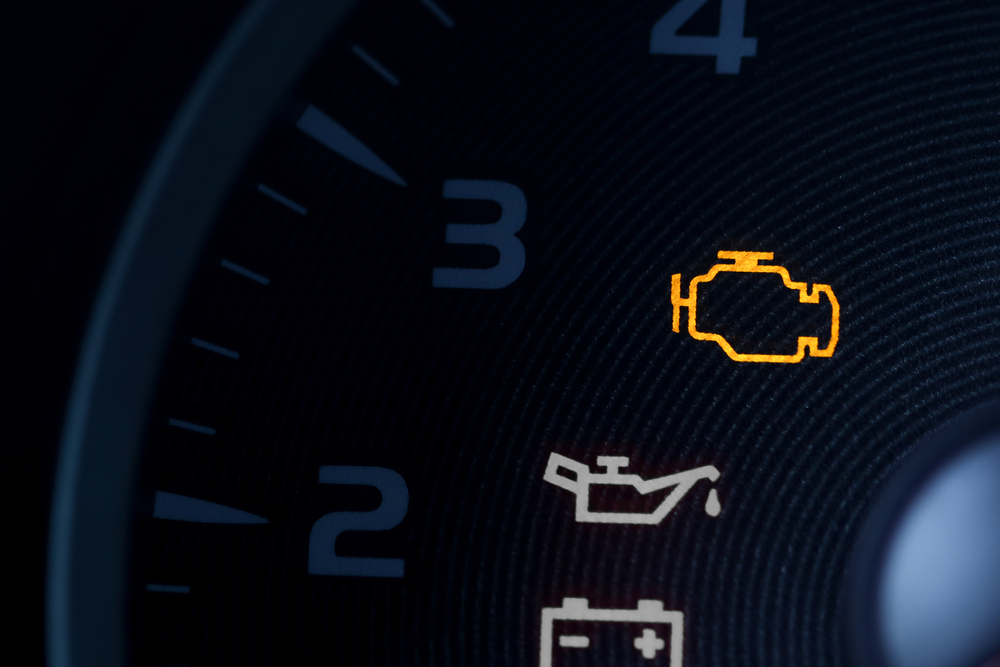
A check engine light can make any drive feel stressful. One minute your Volkswagen or Audi feels completely normal, and the next minute there is a warning light on the dashboard making you wonder if something serious is going on. Sometimes the car still drives fine. Sometimes it feels rough, sluggish, or different than usual. Either way, the check engine light is your vehicle’s way of telling you that something needs attention. It does not always mean you have a major problem, but it does mean the vehicle has detected something that should be diagnosed before it gets worse.
Volkswagen and Audi vehicles are built with advanced systems that monitor engine performance, emissions, fuel delivery, ignition, turbo operation, sensors, and other important components. When one of those systems falls outside the expected range, the check engine light can turn on. The light itself does not tell you exactly what failed. It only tells you the vehicle has stored a code that can help point a technician in the right direction. That is why proper diagnostics matter so much. Reading the code is only the first step. Figuring out what caused the code is where the real work begins.
One of the most common reasons a Volkswagen or Audi check engine light comes on is an ignition issue. This can include worn spark plugs, failing ignition coils, misfires, or related problems. If your vehicle feels shaky at idle, hesitates when accelerating, loses power, or runs rough, an ignition issue may be involved. Many VW and Audi engines are turbocharged, which means smooth ignition is especially important for performance and drivability. Ignoring a misfire can lead to more damage over time, so it is smart to have the vehicle checked if it starts running rough or the check engine light begins flashing.
A flashing check engine light is more urgent than a steady light. A steady light means the vehicle has detected a problem that needs service, but a flashing light can indicate an active misfire that may damage the catalytic converter or other components if you keep driving. If your check engine light is flashing, it is best to stop driving as soon as it is safe and schedule service right away. This is one of those situations where waiting can turn a manageable repair into a much more expensive one.
Oxygen sensors are another common reason for a check engine light. These sensors help monitor the air and fuel mixture and the efficiency of the emissions system. When an oxygen sensor is not working properly, your vehicle may use more fuel, run less efficiently, or fail emissions testing. The tricky part is that an oxygen sensor code does not always mean the sensor itself is the only issue. There could be an exhaust leak, a fuel mixture problem, a catalytic converter concern, or another underlying cause. That is why replacing parts based only on a code can lead to wasted money.
EVAP system issues can also trigger the check engine light. The EVAP system helps control fuel vapors from the gas tank. A loose or damaged gas cap can sometimes cause an EVAP code, but so can a leaking hose, faulty purge valve, vent valve issue, or another part of the system. If your check engine light comes on shortly after getting gas, the gas cap may be worth checking, but if the light stays on, it should be diagnosed. EVAP problems may not always affect how the car drives, but they can still affect emissions and inspection readiness.
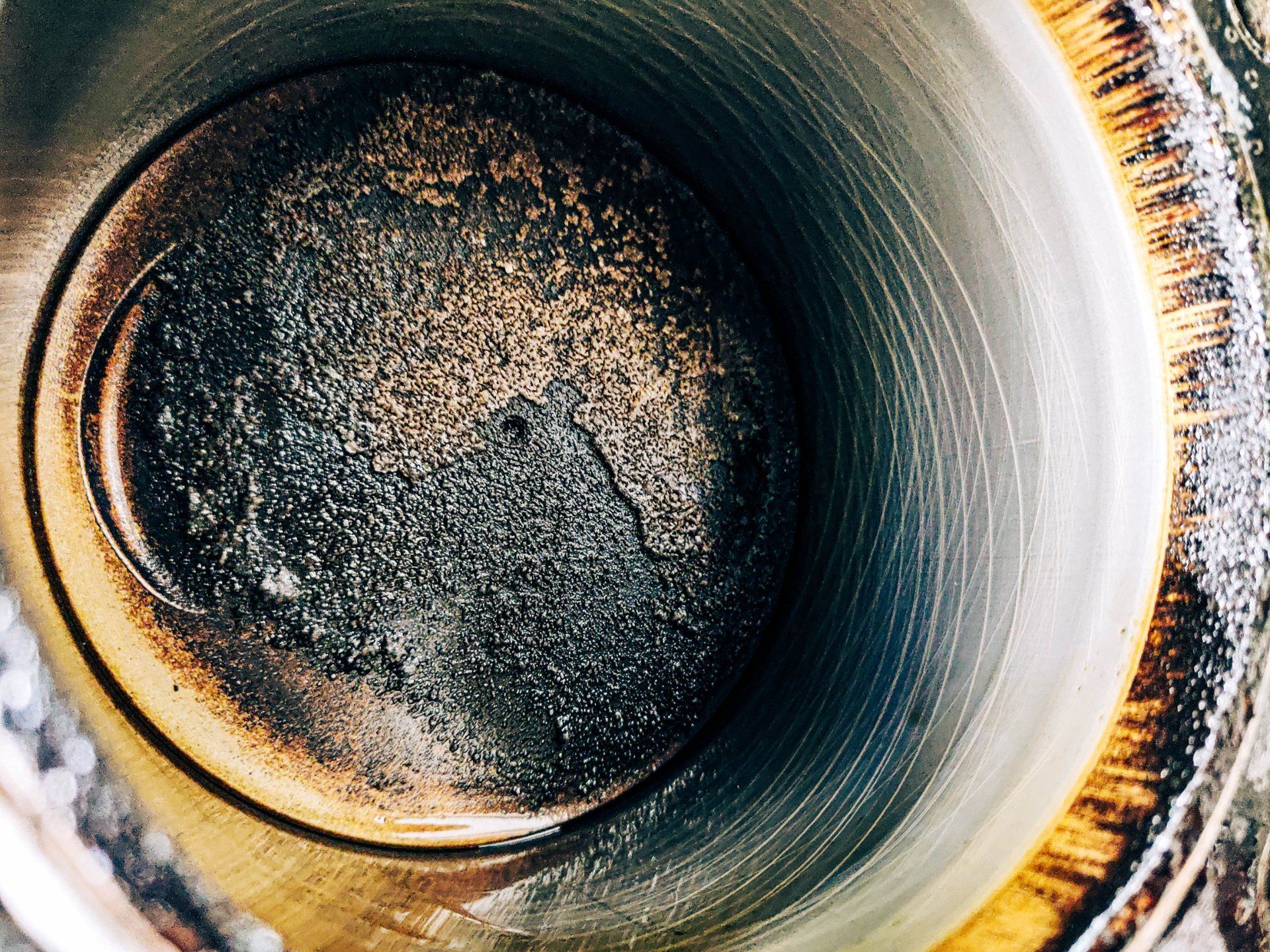
Turbo-related issues are another reason Volkswagen and Audi owners should take warning lights seriously. Many VW and Audi models use turbocharged engines, and turbo systems rely on proper airflow, boost pressure, sensors, oil supply, and control components. If your vehicle feels down on power, goes into limp mode, makes unusual noises, or triggers a check engine light under acceleration, the turbo system may need attention. Sometimes the issue may be a sensor or vacuum leak. Other times it may involve boost pressure control, wastegate concerns, diverter valve issues, or carbon buildup. A proper diagnosis helps narrow it down instead of guessing.
Fuel system problems can also cause a check engine light. Your Volkswagen or Audi needs the right amount of fuel at the right time to run properly. If there is an issue with fuel pressure, injectors, sensors, or air and fuel mixture, the vehicle may run rough, hesitate, stall, or lose efficiency. These problems can overlap with ignition issues, intake leaks, or sensor faults, which is another reason a complete diagnostic process matters. The same symptom can come from multiple causes, especially on European vehicles with more advanced systems.
Mass airflow sensors and intake system problems are also common culprits. The mass airflow sensor helps the engine know how much air is entering so it can adjust fuel delivery. If that sensor gets dirty, fails, or receives incorrect readings because of an air leak, the check engine light may come on. You may notice rough idle, poor acceleration, stalling, or reduced fuel economy. Intake leaks, cracked hoses, and PCV system issues can create similar symptoms. Simply replacing one sensor without checking the whole system may not solve the problem.
Catalytic converter efficiency codes can be another concern. The catalytic converter helps reduce emissions, and when the vehicle detects that it is not performing properly, the check engine light may turn on. However, a catalytic converter code does not always mean the converter itself failed on its own. Misfires, oil consumption, fuel mixture problems, oxygen sensor issues, or long-term ignored engine problems can contribute to catalytic converter damage. Before replacing an expensive component, it is important to understand why the code appeared in the first place.
Volkswagen owners may also see an EPC light along with or instead of a check engine light. The EPC light is related to electronic power control and can be tied to throttle system issues, sensors, engine management problems, brake light switch concerns, or other electronic systems. If the EPC light comes on and the car loses power, goes into limp mode, or feels unsafe to drive, it should be inspected quickly. Audi models may show similar warning messages depending on the issue. These lights are not something to ignore, especially if drivability changes.
One mistake many drivers make is going to a parts store for a free code scan and assuming that code tells the whole story. A code scan can be helpful, but it does not replace diagnostics. For example, a code may mention an oxygen sensor, but the root cause could be an exhaust leak or fuel mixture issue. A misfire code may point to a cylinder, but the cause could be a coil, spark plug, injector, compression issue, or wiring concern. A lean code may be caused by a vacuum leak, intake issue, PCV problem, or sensor fault. The code gives clues, not the final answer.
This is especially true with Volkswagen and Audi vehicles because the systems can be interconnected. One issue can create symptoms in another system. A small vacuum leak can affect fuel trims. A weak ignition coil can create misfires. A failing sensor can cause the engine to adjust incorrectly. Carbon buildup can affect airflow and performance. Without the right diagnostic process, it is easy to replace parts that do not fully fix the problem. That gets frustrating for the owner and can make the repair more expensive than it needed to be.
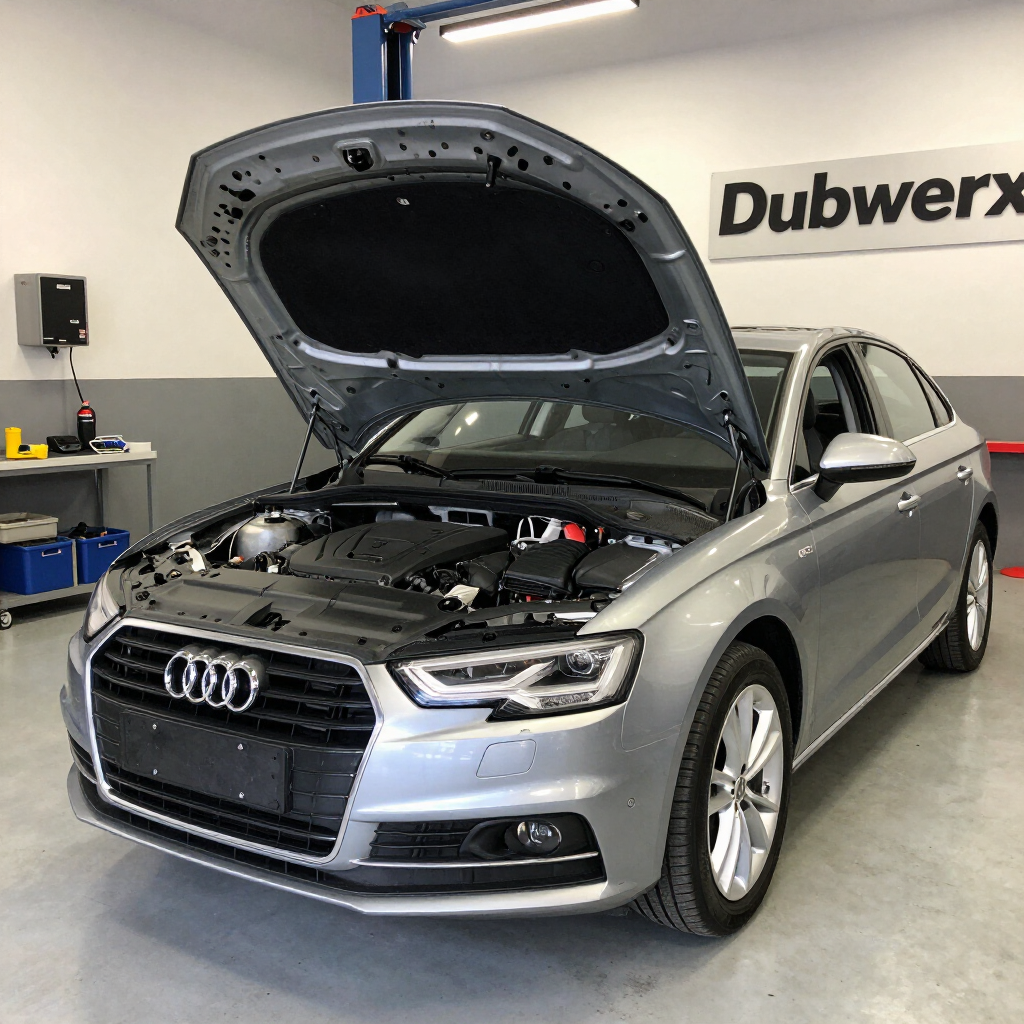
At Dubwerx in Cincinnati, Volkswagen and Audi diagnostics are handled with the understanding that these vehicles need more than a basic code scan. The goal is to find the cause of the problem, not just clear the light and hope it stays off. If your check engine light is on, the team can scan the vehicle, inspect the related systems, review the symptoms, and explain what is actually happening. That gives you a clearer answer and helps you decide what needs to be repaired now.
Sometimes a check engine light is caused by something minor. Sometimes it is the first warning sign of a larger issue. The challenge is that you usually cannot tell which one it is just by looking at the dashboard. If the car seems to drive normally, it may be tempting to wait, but waiting can allow the problem to grow. A small issue with a sensor, ignition part, or air leak can eventually affect performance, fuel economy, emissions, or other components. Getting it checked early gives you more options.
If your Volkswagen or Audi has a check engine light, EPC light, rough idle, loss of power, hesitation, poor fuel economy, or unusual engine behavior, it is a good idea to schedule diagnostics before the issue becomes more serious. You do not have to know what the code means before booking an appointment. That is what the inspection is for. The important thing is to avoid guessing and get a clear explanation from a shop that understands your vehicle.
For Cincinnati drivers, Dubwerx gives Volkswagen and Audi owners a local place to turn when warning lights appear. Whether the issue is simple or more involved, a proper diagnosis can help you make the right decision and protect your vehicle long-term. Instead of clearing the light and wondering when it will come back, schedule a check engine light inspection and find out what your vehicle is really trying to tell you.
A check engine light is not something to panic about, but it is also not something to ignore. Your vehicle is giving you an early warning that something needs attention. If your VW or Audi has a warning light on the dashboard, bring it to Dubwerx in Cincinnati. The team can help you understand the problem, explain your options, and get your vehicle back to driving the way it should.